

Oil traders got a taste of the war’s pricing power, and then got whiplash. Crude ran toward $120 a barrel, backed off, and left a louder question hanging over markets than any single headline from the battlefield.
What You Should Know
Oil prices spiked near $120 per barrel and then retreated as the US-Israeli war with Iran widened. Airstrikes hit Beirut’s southern suburbs, Lebanon reported hundreds killed since operations began, and US officials confirmed a service member died from early Iranian attacks.
CBS News, in live updates dated March 9th, 2026, described a conflict pulling in multiple fronts: Israel struck targets tied to Hezbollah in Lebanon, Iran and Israel hit energy sites, and the United States reported a military death tied to Iran’s initial retaliation.
Oil Hit $119, Then Backed Off
The cleanest way to see panic is a price chart. CBS reported global oil prices spiked near $120 per barrel before falling back as the war intensified and threatened production and shipping in the Middle East.
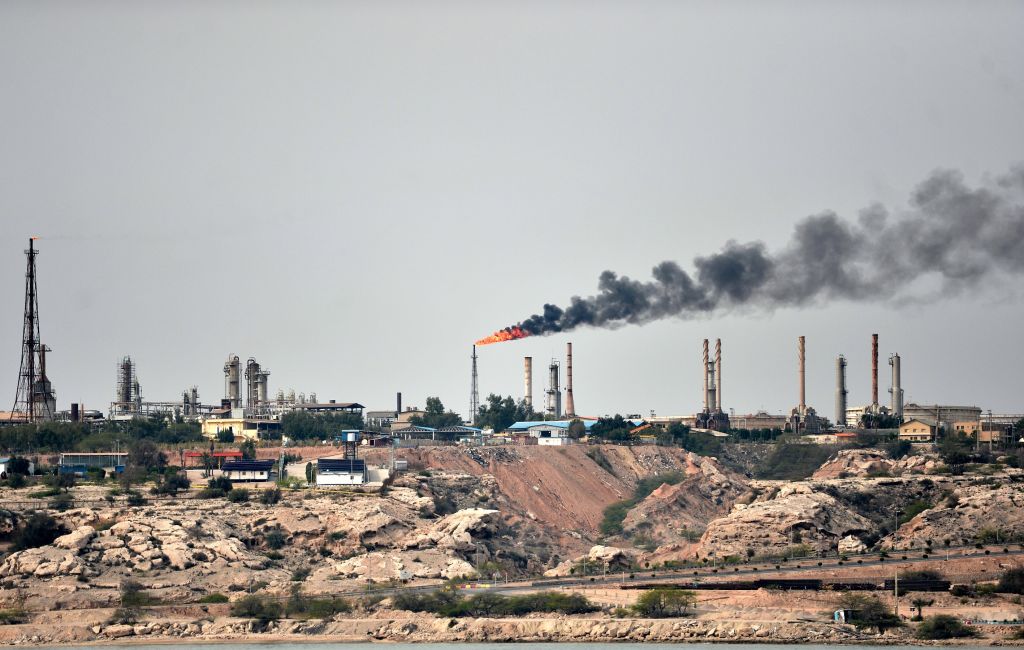
West Texas Intermediate, the US benchmark, jumped to $119.48 per barrel before dropping to about $103, according to CBS. The US Energy Information Administration tracks WTI pricing as a core gauge of US crude markets, and the move mattered because it bled straight into inflation expectations and political messaging.
Beirut Strikes, Evacuations, and a Mounting Toll
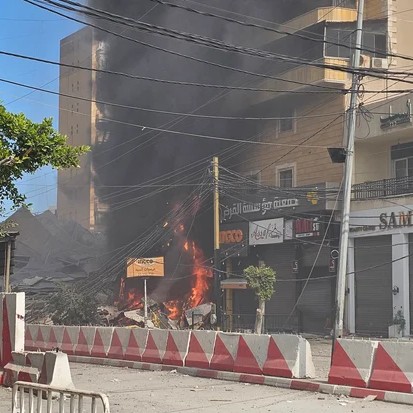
While oil traders watched tankers and terminals, residents in Lebanon’s capital region watched rooftops. CBS reported fresh airstrikes hit Beirut’s southern suburbs after Israeli warnings told residents in certain neighborhoods to flee, as Israel continued attacks against Hezbollah.
Lebanon’s Minister of Public Health, Dr. Rakan Nasr al-Din, said the death toll since the latest Israeli operations began had reached at least 394, including 83 children and 42 women, with more than 1,130 injured, CBS reported. Israeli evacuation orders for tens of thousands across southern Lebanon, also reported by CBS, pushed the humanitarian stakes higher at the same time energy infrastructure became a target set.
The Six-Month Line vs the Brief-Surge Promise
Iran’s Islamic Revolutionary Guard Corps set a very different timeline than the market’s midday pullback. CBS reported the IRGC said Iran was prepared and equipped to keep waging an intense war against the US and Israel for at least six months.
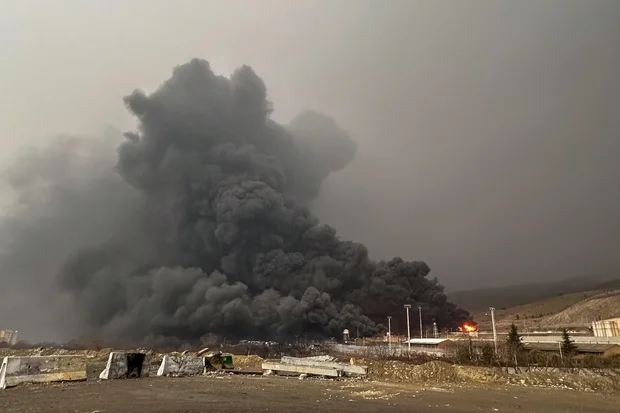
Washington’s energy message leaned the other way. Energy Secretary Chris Wright told CBS the “period of elevated energy prices” would be temporary and added, “but it will not be long,” even as CBS reported attacks on oil and gas facilities by Iran, Israel, and the United States. CBS also reported the US Central Command said a US service member died from injuries sustained during Iran’s initial retaliatory attacks, a reminder that the costs are not staying on the commodities screen.