

What You Should Know
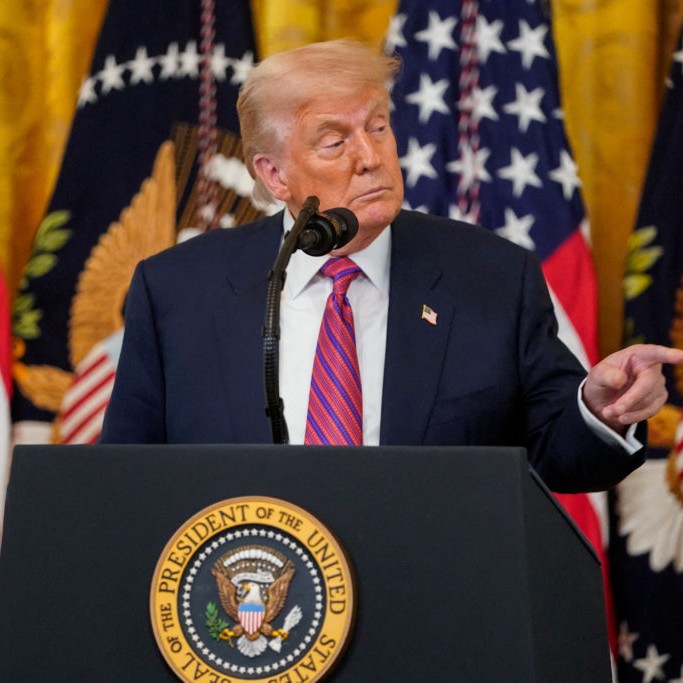
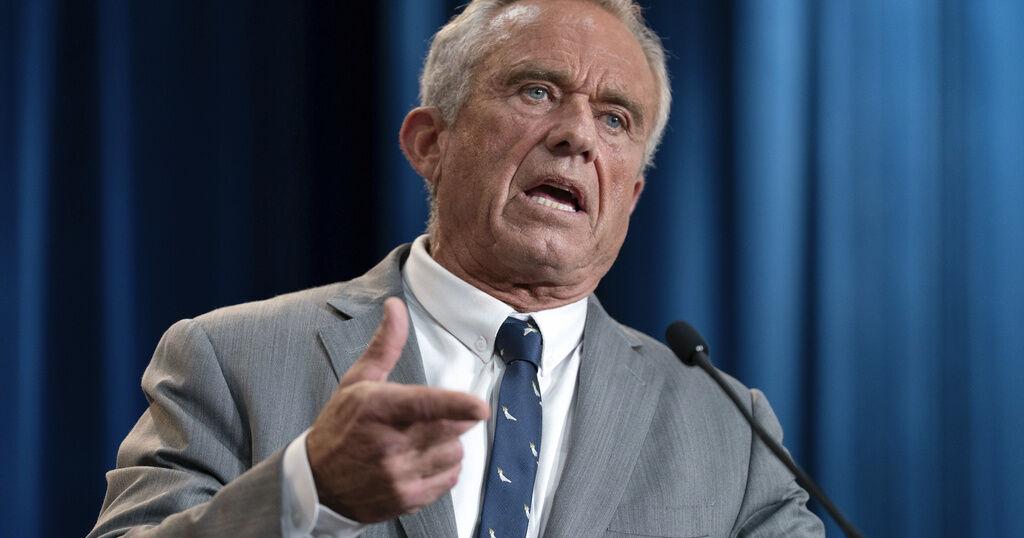
Sen. Chris Murphy criticized former President Donald Trump’s rhetoric about Iran, according to The Hill. The dispute revives long-running questions about escalation risk and the limits of presidential military authority under the Constitution and the War Powers Resolution.
The Hill reported that Murphy, a Connecticut Democrat who sits on the Senate Foreign Relations Committee, took aim at Trump’s Iran threats, as the former president continues to blur foreign policy and political messaging.
Trump, who has made maximum-pressure language a recurring tool, has a long record of publicly warning adversaries in blunt terms. Murphy’s core argument is that public threats can narrow options quickly, even before any formal authorization, planning, or congressional debate becomes visible.
The Iran Rhetoric Versus the Paper Trail
The tension is not just rhetorical. Iran is one of the few foreign policy issues where a candidate’s words can ricochet into markets, alliances, and military posture, whether or not a campaign has any direct command authority.
Trump’s past comments show the playbook. In a January 2020 post, he warned, “If Iran attacks anything American, we have targeted 52 Iranian sites… at a very high level & important to Iran & the Iranian culture, and those targets, and Iran itself, WILL BE HIT VERY FAST AND VERY HARD.” Murphy’s criticism, as framed by The Hill, hits the same pressure point: threats can create their own momentum, and that momentum can become policy.
War Powers, Messaging, and Who Gets to Decide
Legally, the United States is built to slow-walk decisions that could spiral into war. The Constitution assigns Congress the power “To declare War,” while making the president the commander in chief, a split that almost guarantees political trench warfare when missiles start appearing in the conversation.
That is where the War Powers Resolution comes in, a post-Vietnam attempt to force notification, timelines, and congressional involvement when U.S. forces are introduced into hostilities. In practice, presidents of both parties have argued over its reach, and lawmakers have argued over their own willingness to use funding, votes, or political risk to enforce it.
What to Watch Next
Murphy’s public shot at Trump’s Iran talk is also a message to other senators: if this issue heats up again, the fight will not stay confined to cable-news sound bites. Expect more pressure for recorded votes, clearer red lines, and demands for briefings that put names and timelines on what is otherwise treated like theater.
For Trump, the upside of hardline messaging is obvious in a primary-style political environment. The downside is that the receipts, from statutes to constitutional text, give critics a ready-made argument that words can become commitments, and commitments can become consequences.