

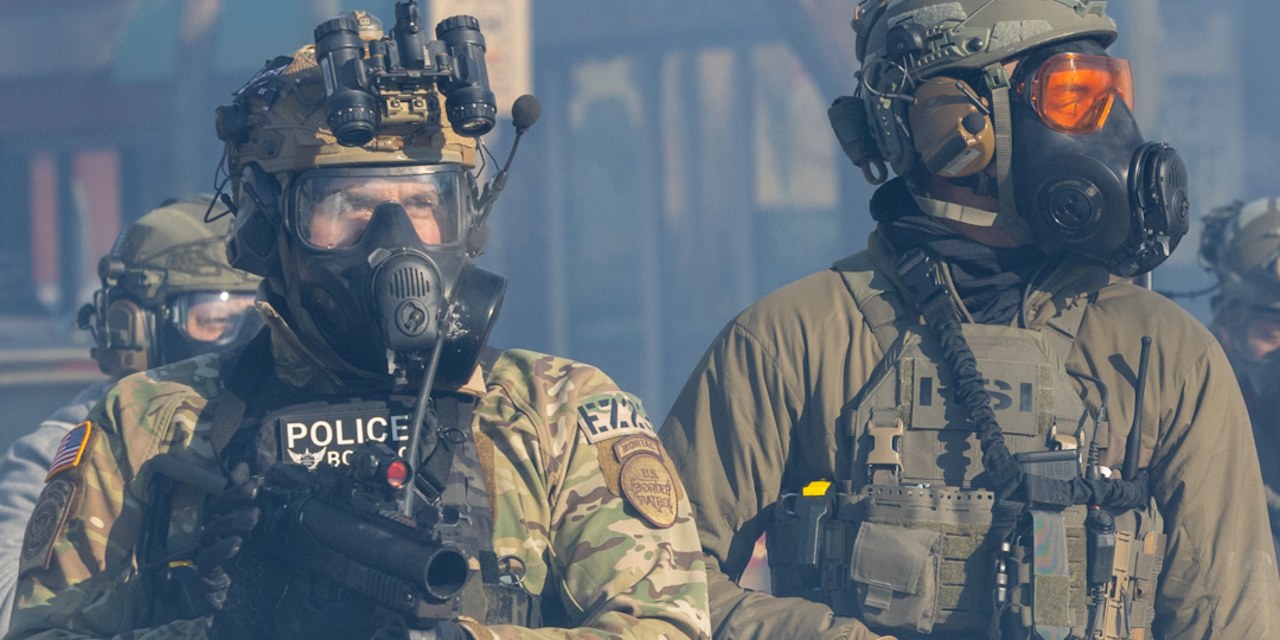
The agents may be fewer, but the message many immigrants in Minnesota say they heard was simple: legal status is not a shield when a federal crackdown rolls through.
What You Should Know
In a March 11th, 2026, PBS NewsHour report, immigrants in Minnesota described lingering fear after a monthslong federal immigration crackdown dubbed Operation Metro Surge. The report included accounts from people in the U.S. who are legally present, including some pursuing citizenship.
PBS correspondent Fred de Sam Lazaro, reporting with anchor Geoff Bennett, focused on the fallout after what the program described as a major federal push in the state. The operation’s footprint has apparently shrunk. The anxiety, residents told PBS, has not.
The ‘Worst of the Worst’ Pitch vs the Net Caught
In the segment, de Sam Lazaro said Operation Metro Surge was billed as an effort to remove the “worst of the worst” from Minnesota. That slogan matters because it frames expectations, and it shapes what the public imagines an enforcement operation looks like.
But the story PBS put on air leaned hard into a different question: What happens when a campaign marketed as a hunt for violent criminals collides with the everyday reality of mixed-status families, messy paperwork timelines, and fast-moving detention decisions?
One immigrant, identified as Jay, speaking through an interpreter, described being detained without understanding why, and then realizing how quickly a person can be treated like a threat before facts catch up. “They didn’t tell me why I was detained, just that my case would be processed quickly. I figured they thought I was a criminal, and once they found out that I wasn’t, they would let me go,” Jay said.
Legal Status, Same Fear
PBS reported that the fear extends beyond undocumented immigrants to people who entered the country legally, including some on a path to citizenship. That is the political pressure point: the operation’s public rationale can sound narrow, while the community-level chilling effect can spread wide.
Jay’s fear, as described in the report, is not abstract. PBS said he worries that another arrest could send him back to the country he fled, where he believes he could face imprisonment or death.
Immigration detention is a civil system, but the consequences can still be life-changing, and courts have repeatedly wrestled with how long people can be held and what process they are owed. Advocates also push for basic rights education, including guidance on interactions with law enforcement, because confusion can be costly in a fast-moving moment.
For Minnesota officials, employers, and families, the lingering question is what replaces a surge operation once the spotlight fades. A crackdown that shrinks on paper can still leave behind a culture of caution, fewer police reports, missed work, and a community that assumes the next knock could come without warning.