

Washington keeps pretending the filibuster is a dusty tradition. Joe Manchin is treating it like a live wire, and Republicans are watching what that means for the next close Senate.
What You Should Know
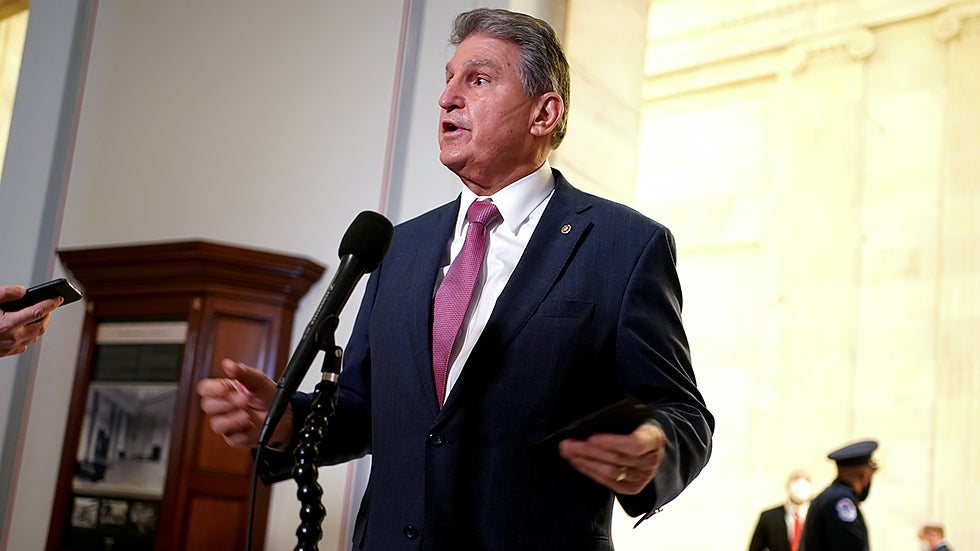
The Hill reported on March 24th, 2026, that Joe Manchin defended the Senate filibuster in comments that Republicans have frequently welcomed. The 60-vote threshold can block most major legislation, even when one party controls the chamber.
Manchin, the former Democratic senator from West Virginia, has spent years positioning himself as a firewall against rule changes that would allow a simple majority to pass big bills. That stance has made him a recurring hero to Republicans who want the minority to keep maximum blocking power.
Manchin’s Filibuster Bet
The argument Manchin returns to is institutional: the Senate is supposed to force compromise, and the filibuster is the mechanism that slows majorities down. The counterargument is arithmetic: in a polarized Senate, the rule can turn 41 senators into a veto block.
Manchin has been consistent about one thing, even as the politics around him shift. In a June 2021 Washington Post op-ed, he wrote, “I will not vote to eliminate or weaken the filibuster.”
What makes his position so combustible is the gap between the promise and the results. The filibuster is sold as a tool to create bipartisan deals, but it is often used to stop bills outright, leaving party leaders to either water down priorities or pivot to narrow budget processes.
The Math That Makes Everyone Nervous
Under Senate rules and modern practice, most legislation needs 60 votes to end debate, which is why leaders obsess over cloture and why minority leaders can demand concessions. According to the Congressional Research Service, the procedure has evolved dramatically over time, with cloture votes becoming a routine choke point.
That evolution is the power dynamic at the heart of the fight. If your party is outnumbered, the filibuster is insurance. If your party wins the White House and Congress, the filibuster can turn campaign promises into stalled floor schedules and messaging votes.
Manchin’s posture also collides with another Washington reality: both parties flirt with exceptions when it suits them. The Senate has already carved out paths around the 60-vote barrier in specific contexts, and leaders regularly explore rule tweaks when their agenda is on the line.
What Happens if the Rules Fight Returns
The next flashpoint is not theoretical. If a future majority tries to change the rules, the pressure campaign will be public, and the bargaining will be private, with senators trading commitments on nominations, floor time, and legislative priorities.
Manchin’s defense gives Republicans a ready-made talking point, but it also puts a spotlight on the trade he is asking Democrats to accept. Keep the rule, keep the minority’s leverage, and hope a Senate built to slow things down eventually speeds up when it matters.
Watch for two signals: whether leaders frame the filibuster as a democracy issue or a governing issue, and whether any side starts counting votes for a narrow carve-out instead of a full rewrite. In the Senate, the loudest speeches usually mask the quiet math.