Six names hit the House floor, and the real battle was not about what they proved. It was about who decided the public could not see them in the first place.
What You Should Know
Rep. Ro Khanna read six names from partially unredacted Epstein-related records after viewing unredacted files with Rep. Thomas Massie. The Justice Department says redactions can be inadvertent, given the 3.5 million-page review, and says the mentions do not, by themselves, allege crimes.
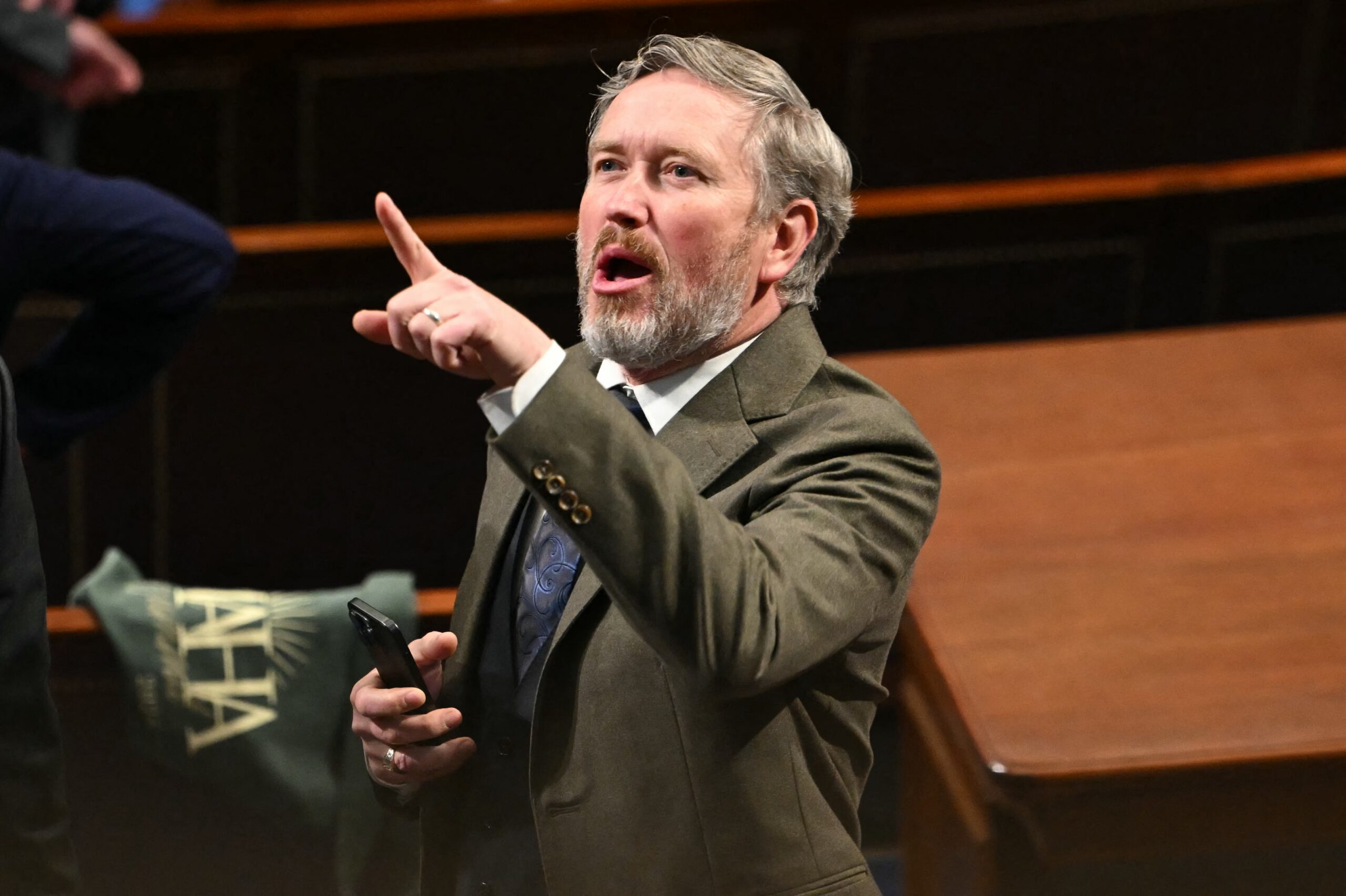
The flashpoint came on February 11th, 2026, when Khanna, a California Democrat, accused the Justice Department of hiding the identities of “wealthy, powerful men” in files tied to Jeffrey Epstein. The department pushed back, calling the redaction process imperfect, not sinister, and noting the records do not directly implicate the named men in criminal conduct.
A Floor Speech With a Built-In Trap
Khanna did not walk onto the House floor claiming he had found a smoking gun. He walked on, claiming he had found something else Washington understands even better: a process that looks like it protects the well-connected.
According to CBS News, Khanna read out six names that had been blacked out when the Justice Department released a massive Epstein-related document trove. Those names were billionaire Leslie Wexner and Sultan Ahmed bin Sulayem, plus Salvatore Nuara, Zurab Mikeladze, Leonic Leonov, and Nicola Caputo.
The tension is obvious, and it is why the moment traveled. In one lane, Khanna framed the redactions as a decision that favored the powerful. In the other lane, DOJ insisted the files are sprawling, the redaction rules are narrow, and mistakes happen at scale.
Khanna also made the political math plain. “And if we found six men that they were hiding in two hours, imagine how many men they are covering up for in those 3 million files,” he said on the House floor.
What the Records Actually Are, and What They Are Not
The names Khanna read are not presented, in the reporting CBS reviewed, as charges, indictments, or proof of wrongdoing. That is a key distinction that tends to get crushed when a name and Epstein share a sentence.
CBS reported that the newly revealed names appeared in a small set of documents that the DOJ later partially unredacted after Massie pointed to the locations where the black bars were used.
Those documents, as described by CBS, included:
- A 2019 FBI document that refers to Wexner as a “co-conspirator”
- An email correspondence between Epstein and bin Sulayem
- A list of 20 names that includes the four less well-known individuals, with unclear context
That mix matters. A label inside an FBI document is not a conviction. An email is not an allegation. A list of names can be anything from contacts to attendees to references, unless the surrounding context says otherwise. The power move, politically, is that a redaction invites the public to assume the worst, and then forces DOJ to explain why it did not want to show the line in the first place.
Wexner is a particularly combustible name because Epstein once worked for him, managing money, a relationship that has been widely reported and litigated in the court of public opinion for years. Bin Sulayem, as CEO of Dubai-based logistics firm DP World, brings an international business dimension that makes the question of why he was redacted feel even more pointed, even if the underlying material is mundane.
Massie and Khanna Make It Bipartisan, Then Make It Personal
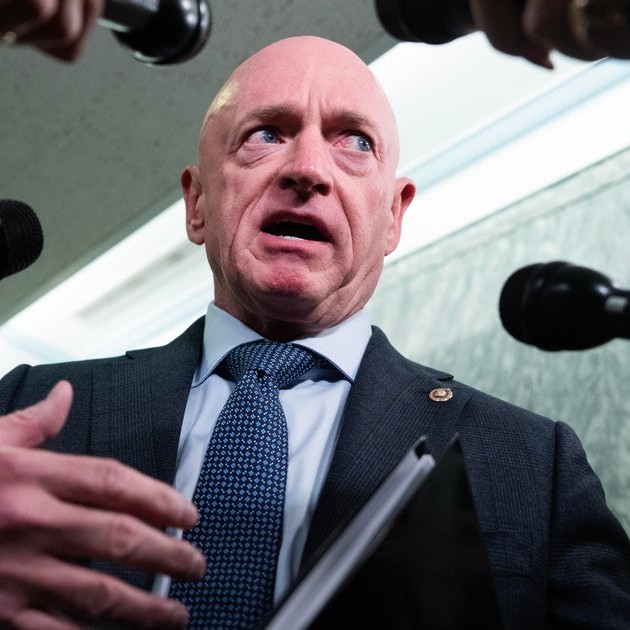
Khanna was not alone. He said he found the names after visiting a Justice Department office with Massie, a Kentucky Republican, to view unredacted versions of the files in person. CBS described the pair as co-sponsors of a law passed last year requiring DOJ to release virtually all of its Epstein investigative files, with redactions intended for survivors’ identities and a limited set of other protections.
Bipartisanship is not just a vibe here. It is leverage. When a Democrat and a Republican walk out of the DOJ saying they found blacked-out names, it makes it harder to dismiss the complaint as a partisan fishing trip. It also raises the stakes for the department, which is now defending a process under a microscope in a case that already carries a lasting stench.
The duo told reporters they searched for part of an afternoon and believed there were likely more names like this in the broader release, CBS reported. The insinuation is clear without being spoken: if Congress can find these quickly, why did DOJ miss them, and what else did it miss?
DOJ’s Defense: Scale, Rules, and Accidental Black Bars
The Justice Department did not deny the core fact that the names had been redacted and were later partially unredacted. Instead, it argued the larger context is a bureaucratic grind, not a cover story.
A DOJ spokesperson told CBS the department has always cautioned “that with 3.5 million pages, the teams may have inadvertently redacted individuals or left those unredacted who should have been.”
Then the department added a detail that cuts both ways. The spokesperson said four of the six names “are only included in this one document out of all the files.” The same statement noted, “Wexner is referenced nearly two hundred times in the files, and Sultan bin Sulayem appears over 4,700 times.”
That is a strange-looking set of numbers for anyone trying to argue the department was hiding a name to protect someone. If a person appears thousands of times, the question becomes: were redactions applied selectively, inconsistently, or under a rule the public does not understand?
It also tees up a second question that matters in Washington: if some redactions were truly inadvertent, how many other decisions in the trove were also inadvertent, including decisions that could expose survivors?
The Other Redaction Problem: Survivors’ Names
The politics of this story are about powerful men. The human stakes are about survivors.
CBS reported that the DOJ has faced criticism from congressional Democrats over over-redaction, while some attorneys for Epstein survivors have argued that the department failed to properly redact their clients’ names before publishing files to a government database. DOJ has said teams of lawyers reviewed documents and that it has temporarily removed some files to correct missed redactions.
This is where the contradictions tighten. In one narrative, the DOJ is too aggressive in hiding the names of prominent figures. In another, the DOJ is not aggressive enough in protecting victims. The department can be guilty of both at the same time if the redaction process is uneven, rushed, or built for volume rather than precision.
And the volume is the whole story. CBS described “millions” of documents, with DOJ pegging the review at roughly 3.5 million pages. Even if the rules are simple on paper, execution at that scale becomes a test of competence and priorities.
Raskin Adds Fuel, and the Mystery Deepens
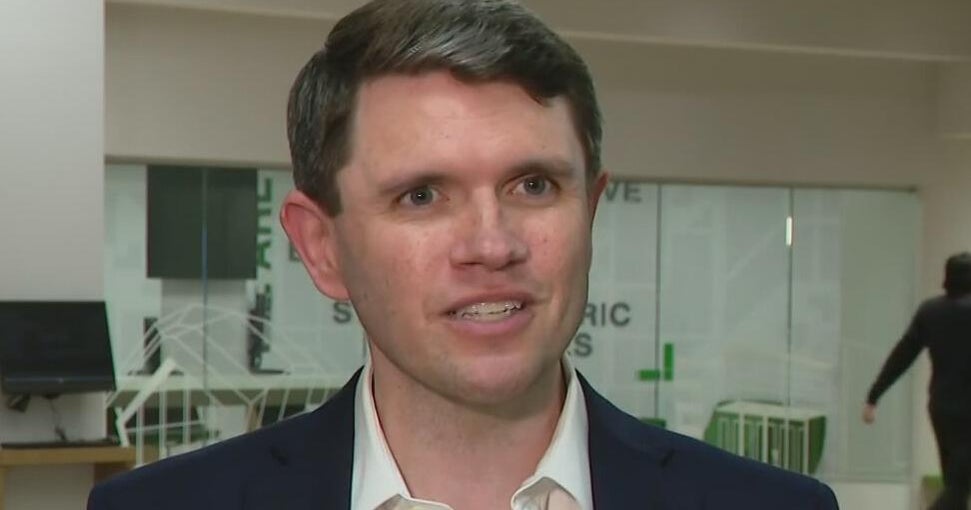
Khanna was not the only Democrat hinting that the DOJ’s redaction logic does not add up. CBS reported that Rep. Jamie Raskin of Maryland told reporters he saw the “names of lots of people who were redacted for mysterious or baffling or inscrutable reasons.”
That sentence is catnip in a case like Epstein’s, where every missing line spawns a theory. But it also reads like a warning flare to DOJ: lawmakers are now comparing notes, and the department’s explanations are being audited, not just heard.
Notably, none of this requires a claim that the redacted people committed crimes. The complaint is about discretion. Who got protected, who did not, and who has to answer for the choices?
Why This Fight Keeps Coming Back
Epstein’s case has become a permanent pressure point because it sits at the intersection of money, access, and institutional failure. Epstein died in federal custody in 2019, a fact that did not end public scrutiny so much as supercharge it. His associate, Ghislaine Maxwell, was later convicted in federal court, keeping the story alive in court records and headlines.
That history is why a wonky argument about redaction standards can turn into a floor speech with viral potential. The public does not have to believe a specific allegation to suspect the powerful get special handling. A black bar is enough to make that suspicion feel documented.
For DOJ, the risk is not just reputational. If lawmakers convince themselves the department cannot be trusted to handle releases responsibly, Congress can tighten statutory requirements, demand outside review, or force more public fights over methods and mistakes. For politicians like Khanna and Massie, the upside is obvious: they get to position themselves as the ones prying open doors, regardless of what is behind them.
What to Watch Next
Three questions now hover over the Epstein file release effort.
- Whether DOJ offers a clearer explanation of why those specific names were initially redacted, including whether it was an error, policy, or inconsistent application of standards
- Whether more lawmakers report finding similar redactions in unredacted viewing sessions, and whether they publish specific document references that force rapid corrections
- Whether survivor advocates escalate demands for tighter protections, especially if more identifying information is found in the public database
The next twist likely will not be a dramatic new accusation. It will be a paper fight over who gets privacy, who gets exposure, and who gets to claim they are the ones cleaning up the mess.
References