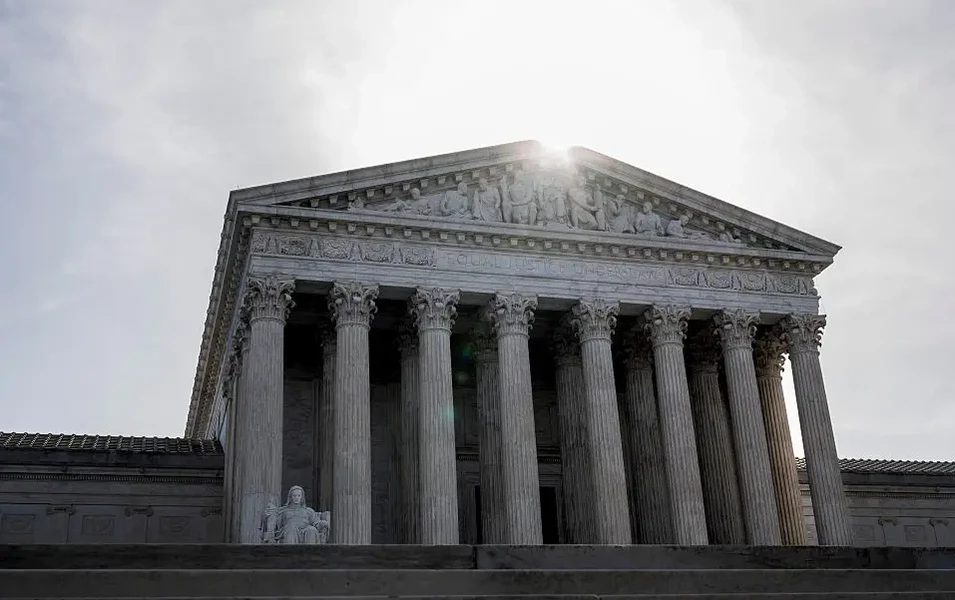
The paperwork said consolidation. The courtroom said not so fast. In the tug-of-war over who controls America’s local TV dial, a judge just yanked the emergency brake.
What You Should Know
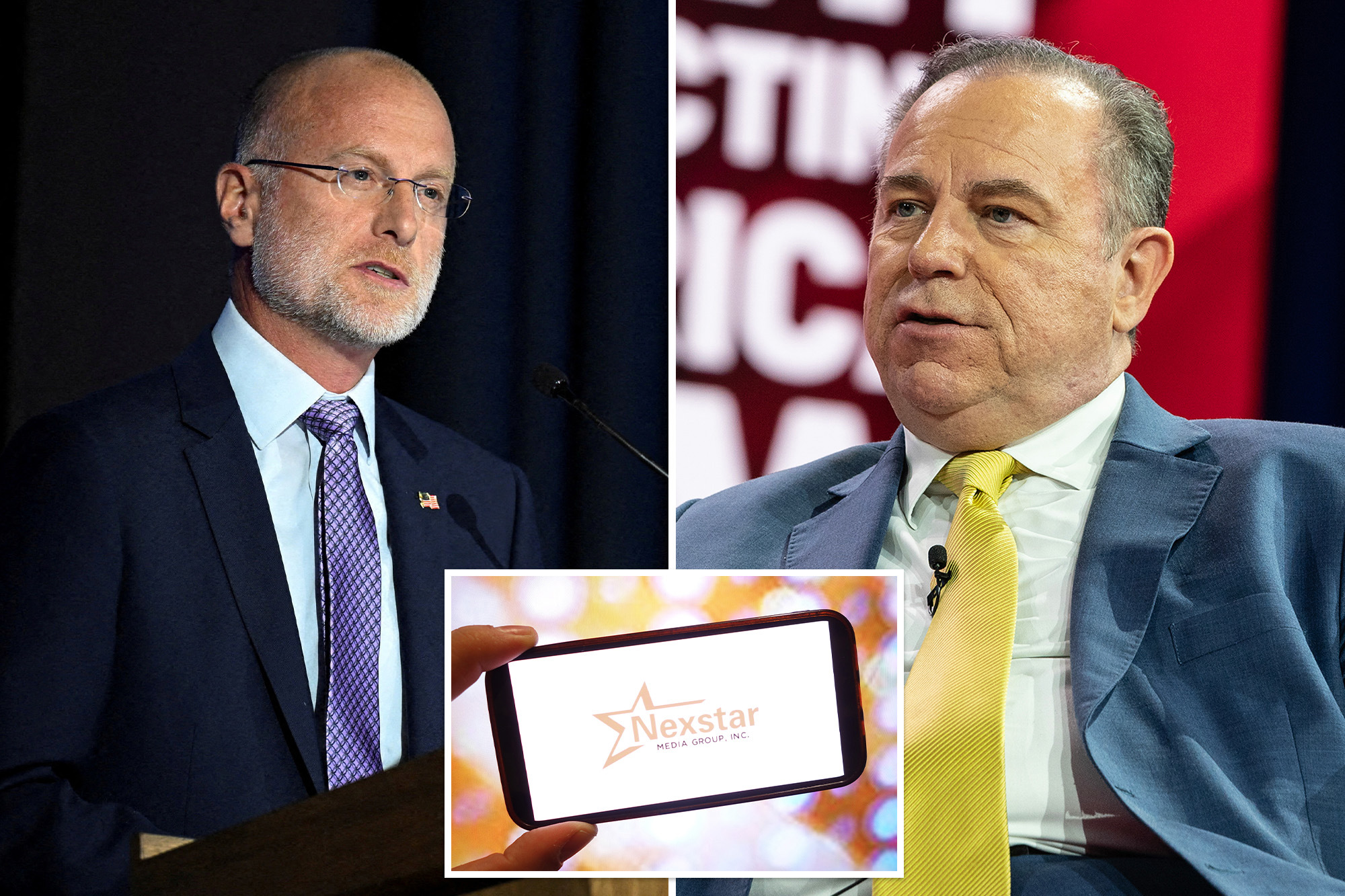
A judge temporarily halted Nexstar’s proposed merger with TEGNA. The pause puts a major media consolidation plan on ice, at least for now, while legal and regulatory fights over station ownership and competitive impact continue.
Nexstar is already the largest owner of local TV stations in the United States, and TEGNA is a major player with stations in large markets. Put them together, and you get a larger footprint in the business that still prints money from political ads, local spots, and retransmission fees paid by cable and streaming bundles.
Why a Judge Would Freeze a Deal Like This
A temporary halt is not the same thing as a permanent block, but it changes the leverage instantly. A deal that depends on momentum and deadlines suddenly has to survive a slower, harsher setting where every assumption gets questioned.
The core issue is power, not branding. Local stations are the last major mass-market megaphones that still reach viewers who do not chase news on apps, and they are a must-have for campaigns that need scale fast. Control of those signals, and the sales teams behind them, becomes a competitive weapon as much as a business strategy.
For Nexstar, the upside is straightforward: more stations, more negotiating clout with distributors, and more inventory to sell when political spending surges. For critics, the fear is straightforward: fewer owners, less competition among ad buyers, and more concentrated control over what local audiences see and do not see.
The Money Trail Running Through Your Living Room
Broadcast mergers often get sold as efficiency plays, but the real battleground is bargaining power. Station groups negotiate carriage deals with cable and streaming distributors, and those negotiations can determine whether a channel goes dark during a dispute and how much a household pays indirectly through a bundle.
That dynamic is why a judge stepping in matters beyond Wall Street. Local news is expensive to produce, but it is also a political platform, a community gatekeeper, and a revenue engine that spikes during election seasons. The bigger the owner, the more pressure it can apply, market by market.
Nexstar’s pitch, as with many large media mergers, has been that scale can support investment and stability in a fragmenting TV ecosystem. The counterargument is that scale can also mean standardized programming decisions, centralized control, and a tougher environment for smaller competitors trying to buy, build, or survive.
What to Watch Next
The immediate question is whether the pause turns into a longer freeze, or whether Nexstar and TEGNA can satisfy the court and any remaining regulatory concerns without rewriting the deal. Either way, the ruling signals that local TV consolidation is not just a boardroom formality. It is a power fight that can still get stopped in public.