What You Should Know
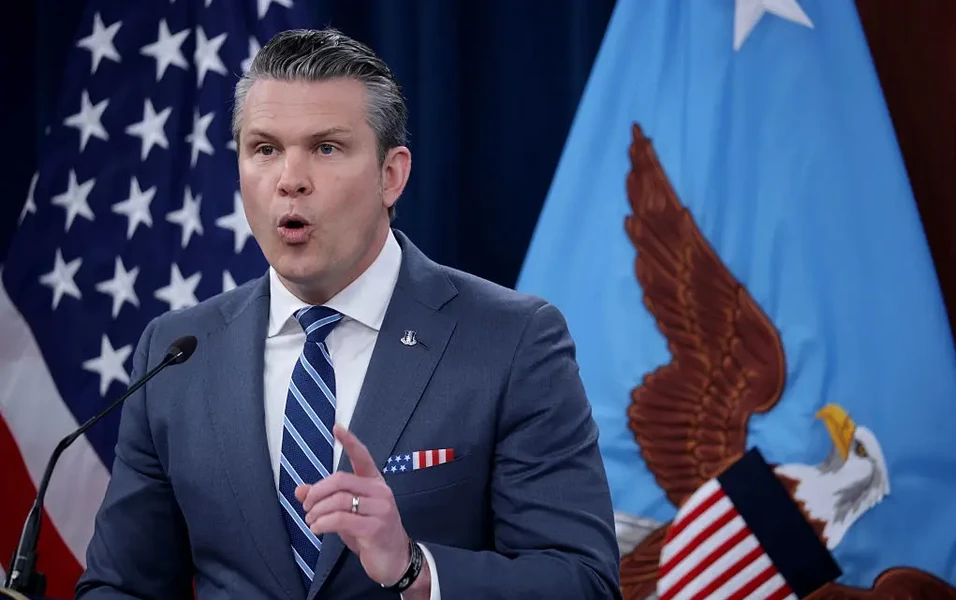
House Speaker Mike Johnson is pushing a short-term DHS funding bill, while Senate Majority Leader John Thune floated a separate approach that paired DHS funding with a later ICE move. The disagreement spilled into public view on March 27th, 2026.
At the center is a basic power play: Who gets to write the next deadline, the House that can move quickly, or the Senate that can slow-walk anything it wants?
According to Axios, Johnson openly knocked Thune’s approach as a “joke” of a DHS plan, as the Senate’s two-step concept became the first high-profile casualty of a House-Senate GOP split in Trump’s second term.
Johnson’s preferred move, per Axios’ account of the talks, is an eight-week Department of Homeland Security funding bill that he can pass through the House and then send to a Senate that, at least at that moment, is not exactly eager to hang around Washington.
Inside the GOP Collision, Clock First, Policy Second
The Senate’s pitch, as Axios described it, was sequencing: fund DHS first, then take up an ICE-focused piece as a follow-on. The House problem is not just a substance. It is leverage, because once DHS is funded, the next vote becomes optional.
That sequencing fight also raises a quiet question about hierarchy. If the House sends a short-term extension, it pressures senators to either accept the House’s deadline or be seen as the ones who complicated DHS funding, a message no leadership team wants to own.
Trump’s Name Is the Weapon Both Sides Want
Johnson’s public posture mattered for another reason: he suggested Trump was with him. In a party where Trump remains the central node, claiming the president’s backing can turn a procedural dispute into a loyalty test.
But the same dynamic makes the conflict harder to resolve quietly. If Thune yields too fast, it can look like the Senate got rolled. If Johnson overplays his hand, a short-term bill can start to look like the House is governing by extension rather than by plan.
What to Watch if DHS Funding Becomes a Hostage
Congress can keep the lights on with a continuing resolution, which the U.S. Senate describes as temporary legislation used to fund the government when regular appropriations have not been enacted. The tactic is common, but it turns deadline control into the currency that buys policy concessions.
The next real signal is whether the Senate converts the public disagreement into a private compromise, or whether leadership lets the calendar do the forcing. Either way, DHS funding is not just about dollars. It is about who sets the terms of Trump’s governing coalition.