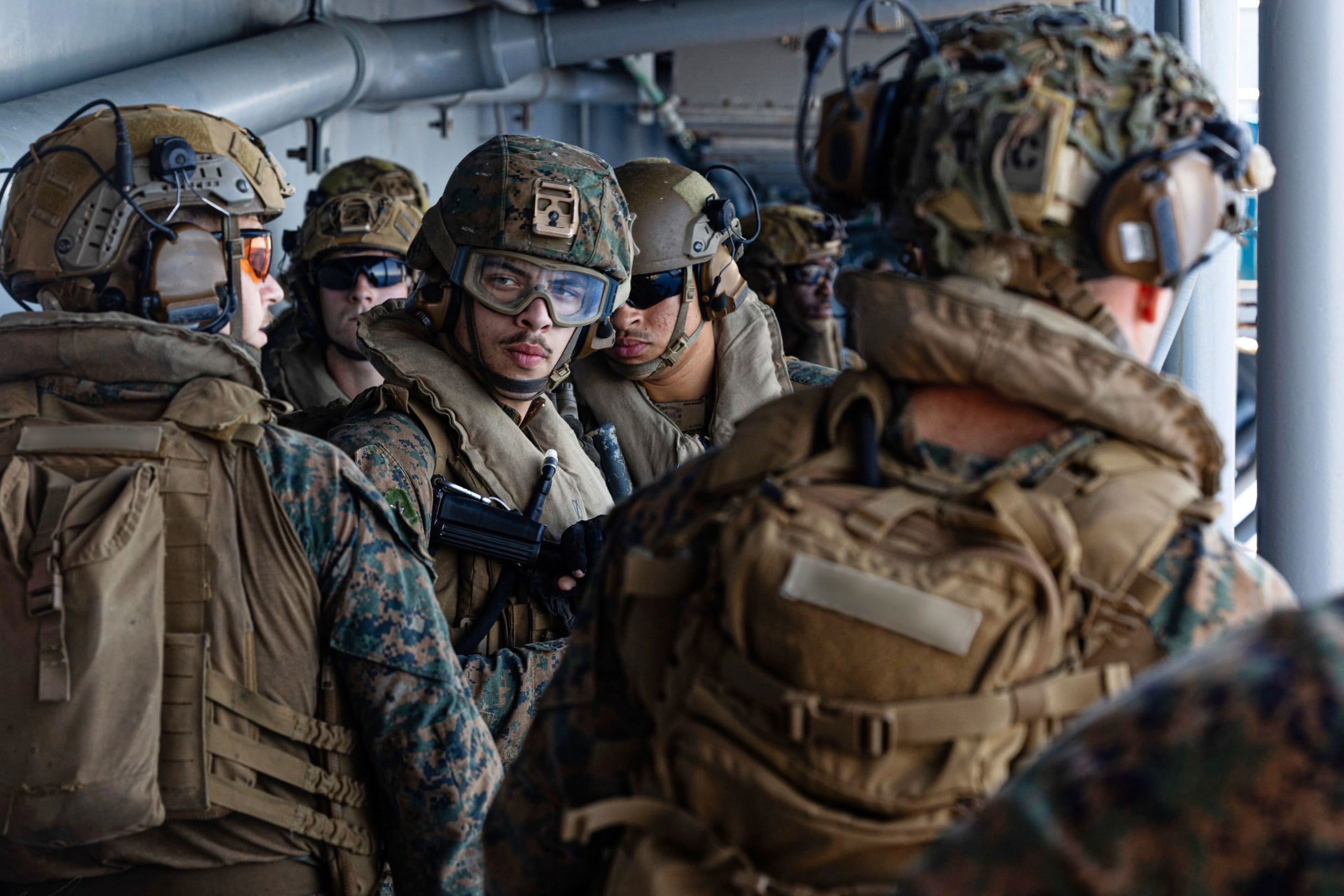
Iran is reminding Washington of a simple math problem: The US has people and bases all over the region, and Iran has plenty of ways to make them nervous without firing a shot from Iranian soil.
What You Should Know
Iran has warned that US troops could be targeted if the conflict surrounding Israel and Gaza expands. The US has thousands of personnel at installations across the Middle East, and it has responded to regional attacks with additional deployments and strikes.
Iran Threatens to ‘Rain Fire’ on US Troops if Ground Invasion Begins. pic.twitter.com/ivxiGsmouq
— BERLI MEDIA (@Berlimedia0) March 30, 2026
That warning, highlighted in a report from The Hill, lands in a region already packed with US air defenses, warships, and small outposts that are hard to fully shield from drones and rockets.
The immediate backdrop is the post-October 7th, 2023, crisis, when Washington surged forces to deter spillover while Iran-backed armed groups in Iraq and Syria stepped up attacks on US positions, according to reporting from Reuters and the Associated Press.
Iran’s Message Hits the US Footprint
The US military footprint is spread across Iraq, Syria, Kuwait, Qatar, and Bahrain, with missions ranging from advising partners to running air operations. That geography gives Washington leverage, but it also gives Tehran and its regional partners a menu of pressure points.
Tehran has often leaned on ambiguity, with leaders denying direct control of allied militias while praising what it calls the “resistance” axis. Analysts and US officials have repeatedly said those groups operate with Iranian support, training, and weapons, even if the day-to-day trigger pulls are local.
The Contradiction: No Wider War, Higher Risk
Here is the tension: Iran routinely says it does not want a direct war with the US, but the region keeps producing incidents that force Washington to choose between absorbing hits or escalating. When US forces strike back, Iran can point to retaliation as proof that America is the escalator, even if the original attacks came first.
IRAN THREATENS US FORCES
Parliament Speaker Mohammad Bagher Ghalibaf vowed to set U.S. troops on fire if America launches a ground invasion.
Tensions continue to escalate following the aggressive remarks. pic.twitter.com/cKZvox6oGL
— AI Crypto Scanner (@aicryptoscanner) March 30, 2026
That messaging battle matters because deterrence is partly a matter of theater. President Biden has tried to box in would-be expanders with a blunt, two-letter warning. “Don’t.”
What Washington Can Do Without Starting One
US officials have said the goal is deterrence, not a new regional war, and have added air defenses and carried out targeted strikes after attacks. Meanwhile, diplomatic channels, including talks with regional partners that can message Tehran, remain part of the pressure campaign, according to BBC News reporting on regional diplomacy and escalation risks.
What to watch next is whether Iran keeps its threats in the realm of rhetoric, or whether US commanders see another wave of drones and rockets that tests the same question again: How many hits can deterrence absorb before it stops looking like deterrence?