

Rate cuts were supposed to be the easy part of 2026. Then the Iran war hit energy markets, and suddenly the Federal Reserve’s next move looks less like a calendar event and more like a stress test.

What You Should Know
The Federal Reserve is scheduled to decide interest rates on March 18th, 2026, as economists reassess inflation risks tied to higher energy prices from the Iran war. Futures markets tracked by CME FedWatch have shifted toward fewer, later cuts in 2026.
At the center is a classic Fed dilemma with fresh geopolitical fuel. The central bank has been trying to steer inflation toward its 2% target without crushing a cooling labor market, and energy costs can quickly scramble that balancing act.
Oil Prices, Inflation, and the Fed’s Favorite Number
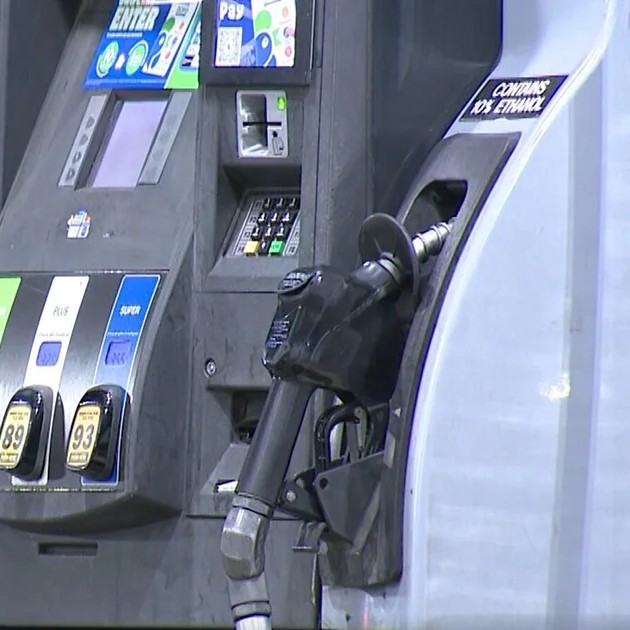
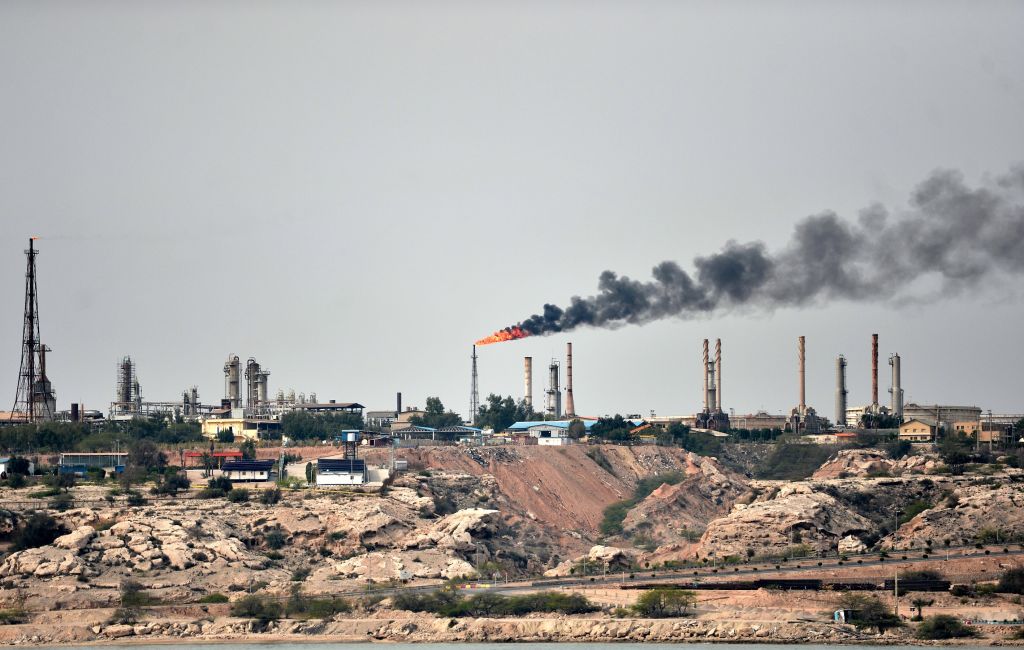
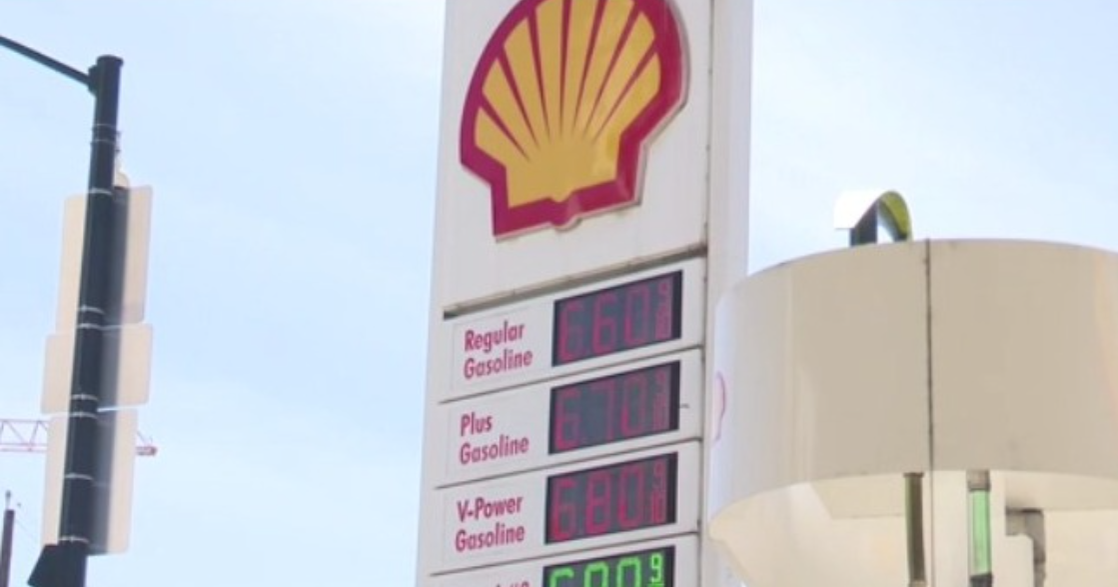
According to CBS News, economists were already leaning toward a hold for March, with many previously eyeing a potential cut by June. The war-driven jump in oil and gas prices has forced a rewrite, because energy ripples into shipping, utilities, and food.
The uncomfortable detail is that inflation was not neatly solved before the shooting started. CBS News reported that the Fed’s preferred inflation gauge, the Personal Consumption Expenditures index, showed prices creeping higher in January, before any war-related energy shock fully landed.
Markets noticed, and they moved. CBS News cited CME FedWatch estimates putting a 99% probability on the Fed holding rates in a 3.5% to 3.75% range on March 18th, 2026, while expectations for cuts at April 30th and in June also slid toward holds.
The Jobs Warning Light
Meanwhile, the other side of the mandate is flashing. CBS News reported that employers shed 92,000 jobs in February, a downside surprise that adds pressure on policymakers who would normally prefer to ease off when hiring slows.
That is where the trap tightens. Cutting support jobs and higher energy costs can reignite inflation. Hold to fight inflation, and the labor market could soften further, making the Fed look stubborn just as households start feeling the drag.
Warsh Walks Into a Political Crossfire
Layer in the personnel politics, and the timing gets sharper. CBS News reported President Trump nominated Kevin Warsh in January to succeed Jerome Powell, with Powell expected to step down in May, and Trump has repeatedly criticized Powell for moving too cautiously on rates.
EY-Parthenon chief economist Gregory Daco sketched the risk in blunt terms: “An already large headache for the Federal Reserve is going to turn into an even larger one, and it’s likely the Fed will not cut rates in 2026 and may even start talking about rate hikes later this year.” If Warsh is confirmed, CBS News noted Daco’s view that he would need to show decisions are grounded in fundamentals, not politics.
What to watch next is not just the March statement, but the signals around future cuts, inflation expectations, and how long the Fed thinks energy pressures last. The Warsh confirmation process, if it advances, could turn ordinary rate math into a very public argument about who really controls the steering wheel.