

Borrowers have been waiting for the Federal Reserve to blink. Instead, the Iran war has handed the Fed a new problem that does not care about anyone’s timeline, including the timeline of a would-be new chair.
What You Should Know
The Federal Reserve is scheduled to decide interest rates on March 18th, 2026, with markets heavily expecting no change to its 3.5% to 3.75% target range. Rising energy prices tied to the Iran war are complicating expectations for cuts later in 2026.
The basic setup is simple and brutal for anyone craving cheaper loans. The Fed wants inflation moving toward its 2% target, but war-driven spikes in oil and gas prices can feed straight into everyday prices and make that mission harder.

The War Premium Hits the Fed
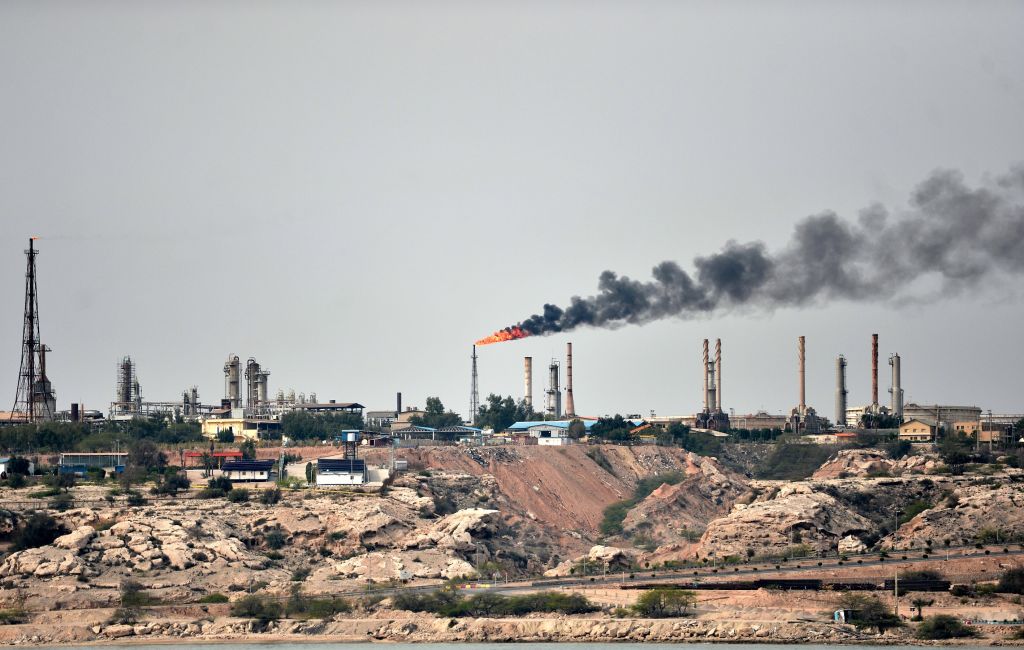
According to CBS News, economists had been looking at a steady decision in March and a plausible cut by June. Then the Iran war lit up energy markets, and the knock-on costs began to show up in forecasts for transportation, food, and utilities.

Inflation data already was not cooperating. CBS News reported that the Fed’s preferred inflation gauge, the PCE index, showed prices creeping higher in January, before the full energy impact of the war had time to filter through.
Markets have reacted with a kind of disciplined pessimism. According to the CME Group’s FedWatch tool, the probability of the Fed holding steady on March 18th sits at 99%, with high odds of staying put again on April 30th, 2026, and even into June.
A New Chair Nominee, a New Set of Crosswinds
That would be complicated enough if the same decision-makers were staying in place. However, CBS News also pointed to a leadership handoff looming over the policy calendar, with President Trump nominating Kevin Warsh to succeed Jerome Powell, whose term as chair is expected to end in May 2026.
Warsh would be walking into a live power test. As EY-Parthenon’s chief economist, Gregory Daco, put it in a report cited by CBS News, “If and when Kevin Warsh is confirmed as Fed chair, he will first need to demonstrate that his policy views are grounded in economic fundamentals rather than political considerations.”
Borrowers Want Cuts, Data Keep Saying Wait
The squeeze is that holding rates high for longer is not just a Wall Street talking point. CBS News also reported weaker hiring, including employers shedding 92,000 jobs in February, a number that sharpened the Fed’s usual dilemma: fight inflation, support the labor market, or try to do both without breaking either.
For borrowers, the next clues are not just the rate decision, but the Fed’s language about inflation risks and how long it is prepared to keep policy tight. For Washington, the question is whether a chair transition collides with a war-linked inflation wave, and who gets blamed if cuts never arrive.