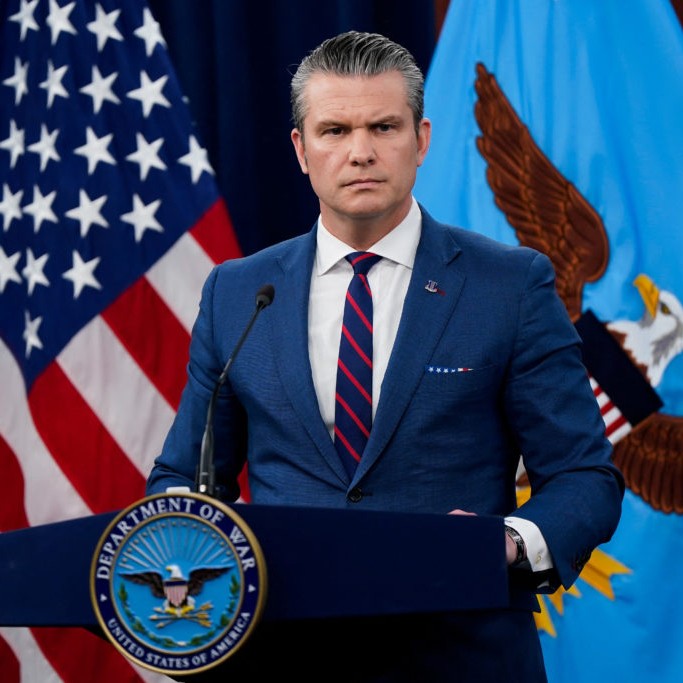
Six U.S. Army reservists were killed in an Iranian attack in Kuwait, and the Pentagon’s top spokesman did not just talk about the strike. He talked about the headlines and who he thinks those headlines are really aimed at.
What You Should Know
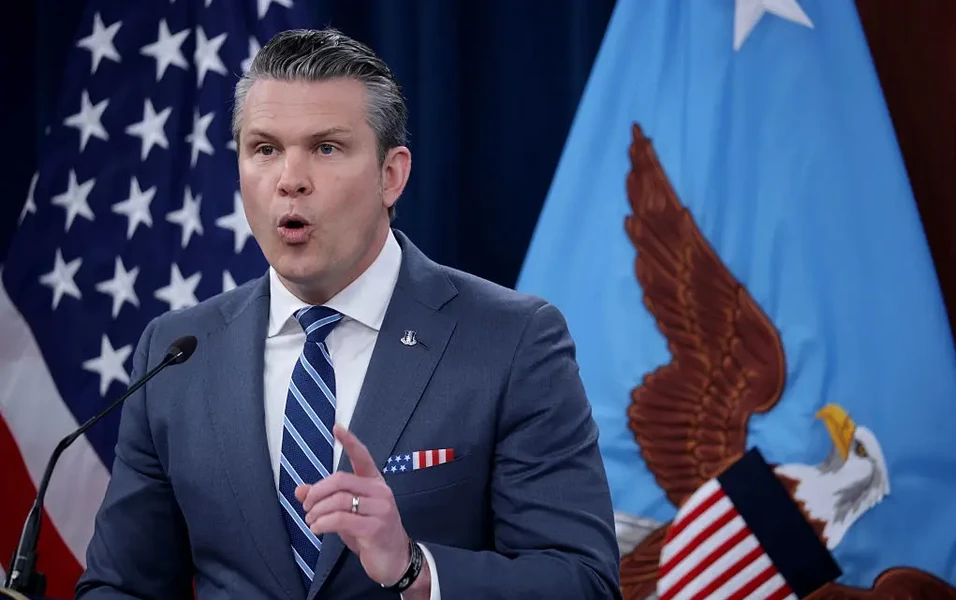
Defense Secretary Pete Hegseth argued that coverage of U.S. casualties in the Iran war is designed to damage President Donald Trump. White House press secretary Karoline Leavitt echoed the critique as journalists pressed the administration on access and accountability.
Hegseth made the comments during a Pentagon briefing in early March 2026, as the administration described an expanding U.S. conflict with Iran that has produced limited publicly confirmed American casualties so far.
The Administration’s Message to the Press
Hegseth’s grievance was not subtle. “When a few drones get through or tragic things happen, it’s front-page news,” he said, adding, “The press only wants to make the president look bad.”
Leavitt, facing questions later, leaned into the same premise, framing tough coverage as a political project rather than a basic feature of war reporting. The effect is a neat power move: dispute the messenger, and the message about bodies and blowback gets harder to land.
The Long Game of Keeping War Off Camera
The fight is familiar because the stakes are familiar. From Vietnam-era television to the modern era of tightly managed embeds, U.S. leaders have repeatedly treated battlefield imagery like a second front, one that can reshape public support faster than any map update.
According to The Associated Press, historian Timothy Naftali, a Columbia University scholar, put the lesson bluntly: “Don’t allow the realities of war into people’s living rooms if you can help it.” The Gulf War coffin-coverage ban, later lifted in 2009, and the movement limits many reporters described in the 2000s show how that impulse can outlive any single president.
Why This Argument Hits Different in the Iran War
This war is being sold from a distance. The U.S. homeland is far away, ground access inside Iran has been limited for foreign media, and the imagery that does get out often looks like flashes in the night sky, not the aftermath in a medic’s hands.
That makes each confirmed U.S. death heavier, politically and narratively, especially when the administration insists it is setting the terms “at every step.” What to watch next is whether the White House and the Pentagon tighten information flow even further, or whether reporters, veterans’ families, and lawmakers force a more detailed accounting of who is dying, where, and why.