

A green card is supposed to be the closest thing to permanence short of citizenship. So why are some Iranian-born lawful permanent residents walking off long-haul flights to find out their status is suddenly up for debate?
What You Should Know
The Hill reported that some Iranian immigrants who are lawful permanent residents say their green cards were revoked or challenged after encounters with U.S. immigration authorities. Under U.S. law, losing permanent residency typically runs through formal immigration processes, not a single conversation at the airport.
The dispute is not just about paperwork. It is about leverage, and where it shows up. The government controls the chokepoint, the port of entry, and travelers often do not know what is optional, what is required, and what can be appealed later.
How a Green Card Can Still Turn Into a Border Interrogation
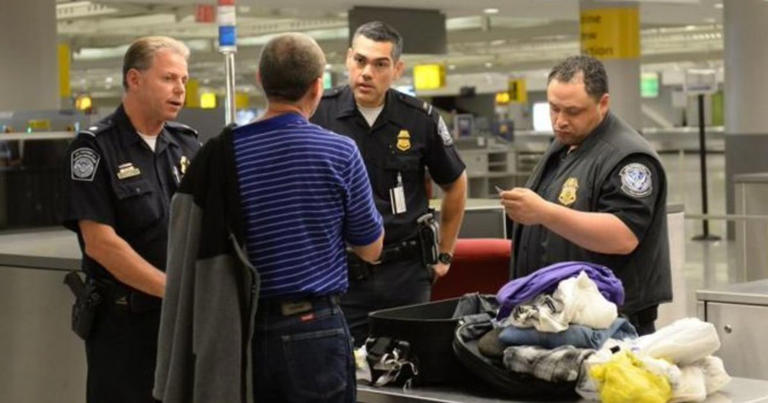
At the center of The Hill’s report is a familiar tension in U.S. immigration enforcement: lawful permanent residents have significant rights, but they also face a uniquely high-pressure moment when they reenter the country and must submit to inspection.
U.S. Customs and Border Protection lays out its view of that power plainly online, writing, “All travelers arriving in the United States are subject to inspection.” That sentence sounds routine until it collides with a traveler who believed their status was settled, their home address was in the United States, and their return trip would be boring.
What the Law Actually Says, and Who Decides
The word people use, “revoked,” can be misleading because it suggests a quick administrative off-switch. In practice, losing lawful permanent residence can involve removal proceedings before an immigration judge, and in some cases, separate legal mechanisms that set timelines and standards.
For example, federal law includes a rescission process for certain status adjustments, with strict limits on when the government can do it and how. Another key provision governs removal hearings and the procedures used to decide whether someone can stay. The power dynamic is that an officer can start the process, but a formal decision is supposed to come later, on record, with rules.
That gap between what can happen quickly and what is supposed to happen eventually is where fear, mistakes, and pressure tactics can thrive. A traveler can be exhausted, without counsel, and confronted with questions about past travel, affiliations, or paperwork. Even when allegations are unproven, the immediate consequences can include detention, a signed form that someone barely understands, or a notice to appear in immigration court.
What to Watch Next
Iran is a predictable flashpoint in U.S. national security politics, and the scrutiny can intensify without warning when tensions rise. The next test will be whether the cases described in The Hill’s reporting move into court filings that clarify exactly what officers claimed, which documents were used, and what process was offered.
If more lawful permanent residents report being pressured to give up status at the border, the question will not be just what the law allows. It will be how aggressively the government chooses to use the moment when people have the least leverage.
References
- The Hill: Green Cards Revoked for Iranian Immigrants
- U.S. Customs and Border Protection: Know Before You Visit the United States
- Cornell Law School Legal Information Institute: 8 U.S. Code Section 1256, Rescission of Adjustment of Status
- Cornell Law School Legal Information Institute: 8 U.S. Code Section 1229a, Removal Proceedings