

Florida’s next congressional map fight is not happening in a vacuum. It is happening while incumbents are raising money, hiring staff, and quietly asking the same question: Which voters will I be running in front of?
What You Should Know
Florida’s congressional lines have faced ongoing legal and political scrutiny since the state adopted a new map for the 2022 cycle. With timelines tightening for 2026 campaign planning, uncertainty over district boundaries can reshape candidate decisions and party strategy.
The latest tension, as framed by The Hill’s reporting, is simple: politicians talk as if the lines are settled, but the incentives around power, courts, and election timing keep pulling the map back to the table.
The Map, the Courts, and the Deadline Squeeze
Florida’s modern redistricting era has been defined by knife-edge math. A few lines on a map can decide which incumbents get a safe runway, which members get thrown into the same district, and which communities become the margin in a close election.
That is why even the possibility of a redraw, even a partial one, triggers a chain reaction. Fundraisers want certainty. Would-be challengers want clarity. Party committees want to know where to spend early, and where not to waste it.
Behind the scenes, the courts matter as much as the candidates. Redistricting lawsuits often collide with election calendars because judges are reluctant to change rules close to an election, and states argue that late changes create administrative risk. The result can be months of strategic waiting, with incumbents keeping up war chests while avoiding locking in big moves like moving homes, changing messaging, or recruiting top surrogates.
Who Benefits if Lines Move
Redistricting is often sold as a process. In practice, it is leverage. If boundaries change, donors, consultants, and party leaders can use that uncertainty to pressure incumbents, clear fields for favored candidates, or freeze out insurgents who cannot afford to wait.
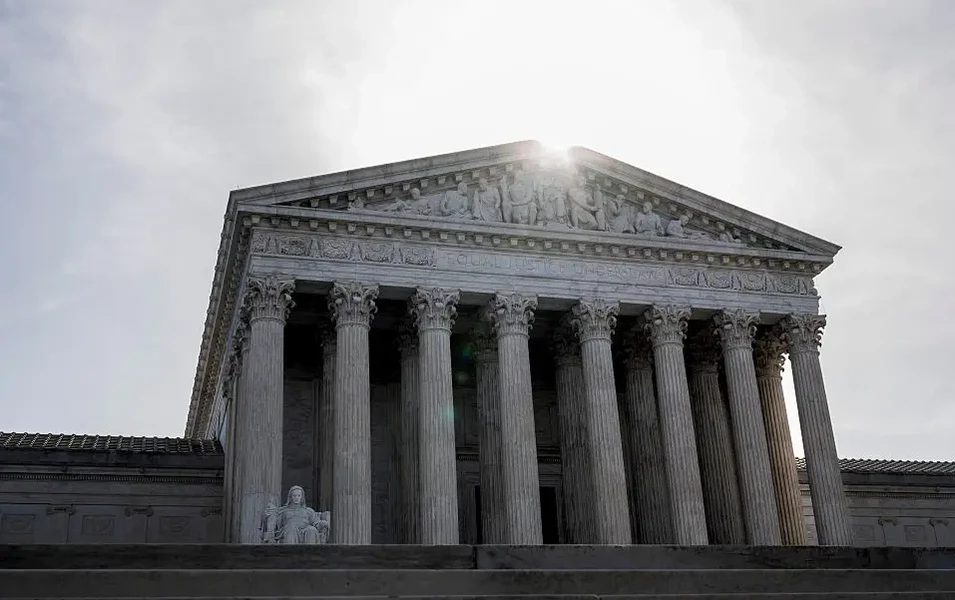
Florida also sits in the middle of a national tug-of-war over what courts will and will not police. The Supreme Court has said claims of partisan gerrymandering present political questions beyond the reach of federal courts, according to a summary of the ruling in Rucho v. Common Cause collected by Oyez. That pushes many map fights into state courts and state constitutional arguments, which can vary sharply from one state to another.
Meanwhile, federal voting rights law still hovers over every map room. Section 2 of the Voting Rights Act sets a clear standard on paper: “No voting qualification or prerequisite to voting or standard, practice, or procedure shall be imposed or applied by any State or political subdivision in a manner which results in a denial or abridgement of the right … to vote on account of race or color,” according to the U.S. Department of Justice’s summary of the statute.
What Happens Next
Watch for three tells: whether litigation schedules accelerate, whether state leaders start floating technical fixes that look small but move big blocs of voters, and whether incumbents begin acting as if they might be paired with a colleague.
If the lines stay put, Florida’s 2026 battles become a pure messaging and turnout war. If they shift, the first casualties may not be on Election Day. They may be in the private donor meetings happening long before ballots are printed.