An FBI memo put a new, very specific nightmare on the table: drones, an offshore vessel, and California targets. The catch is in the fine print, and officials are insisting the warning does not point to anything concrete.
What You Should Know
An FBI memo distributed in California cited unverified information about an alleged Iranian interest in launching drones from a vessel off the U.S. coast at unspecified California targets. Officials told CBS News there was no known specific threat, and the memo listed no timing, method, or perpetrators.
The document, obtained by CBS News and distributed to local law enforcement by the FBI’s Los Angeles office, arrived amid a high-alert moment. It described a seaborne drone scenario, then immediately undercut its own punchline by admitting how little the FBI actually knows.
The Memo, the Caveats, and the Timing
According to CBS News, multiple U.S. and California law enforcement and intelligence officials said there was no known specific threat underpinning the memo. The warning, they said, was not based on a particular plot with identified targets, dates, or suspects.
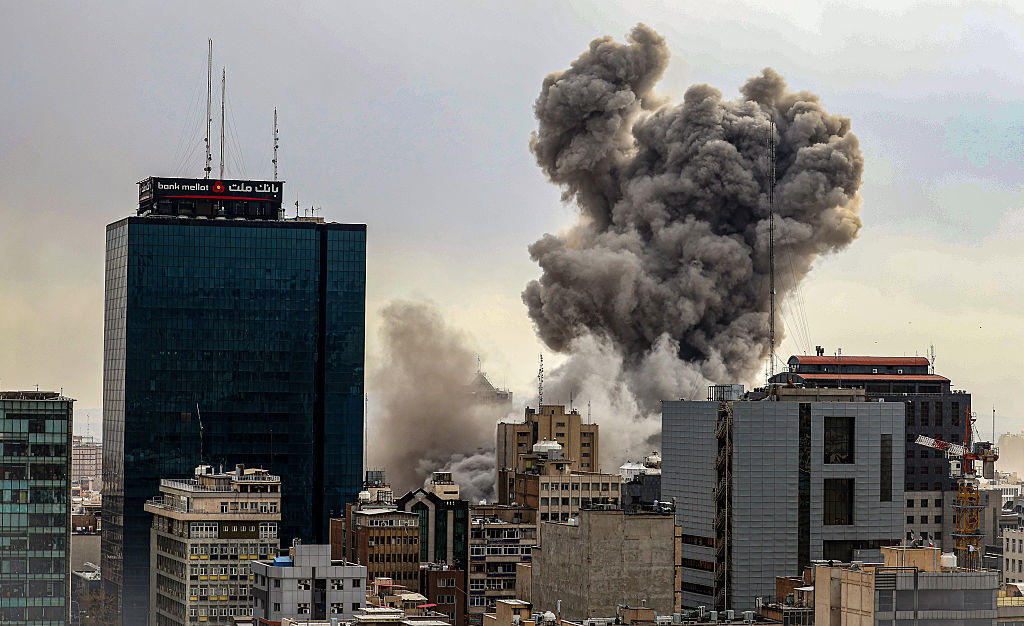
The memo itself reportedly said the FBI received unverified information that Iran allegedly aspired to conduct a surprise unmanned aerial vehicle attack from an unidentified vessel off the coast of the United States, aimed at unspecified targets in California, if the U.S. conducted strikes against Iran. It also stated the FBI had no additional information on potential timing, method, target, or perpetrators.
Why the FBI Shares Unverified Intel Anyway
This is the quiet power dynamic behind the memo: the FBI can flood local agencies with alerts designed to be shared quickly, while elected officials and police departments have to manage the public-facing consequences. A warning can be operationally useful inside law enforcement, even when it is politically combustible outside it.
CBS News quoted a former FBI special agent, Jeff Harp, framing it as an institutional habit, not panic: “There is a directive to over communicate with all the different agencies about potential threats.” Another federal official described the warning as “unverified,” with no follow-up details since it was circulated.
California’s Public Face vs the Private Briefings
California leaders publicly tried to keep the message narrow. Gov. Gavin Newsom posted on X that, “While we are not aware of any imminent threats at this time, we remain prepared for any emergency in our state.” The balancing act is obvious: acknowledge the memo without validating it as imminent.
The Los Angeles Police Department struck a similar note, saying in a statement, “There are no known or specific threats to Los Angeles,” and that it would continue monitoring global events. Newsom’s office also told CBS News the memo was one of many daily security updates received from federal partners and disseminated to local law enforcement and emergency responders.
For Iran, drones are not theoretical. CBS News noted Iran’s known drone arsenal, including the Shahed-136, and the broader U.S. focus on countering malicious drone activity. For Californians, the real takeaway is narrower: the memo describes a scenario, while officials say they still lack the who, when, where, and how that would turn it into an actionable threat.