

Ecuador just kicked off a two-week, US-supported offensive against drug traffickers, and the government is using battlefield language. However, the public is getting a lot of hardware and a lot of slogans, but very few clear rules about what the United States is actually doing on the ground.
What You Should Know
Ecuador began two weeks of anti-drug operations on March 15th, 2026, with US support and plans to deploy about 35,000 soldiers. Officials have not clearly said whether US troops will participate inside Ecuador, even as cooperation expands.
President Daniel Noboa has made security the center of his presidency, and he is aligning closely with President Donald Trump on cartel policy. The latest push comes as Ecuador faces persistent violence tied to trafficking routes that run through the country.
A 35,000-Soldier Blitz, and a Minister Telling People to Stay Home
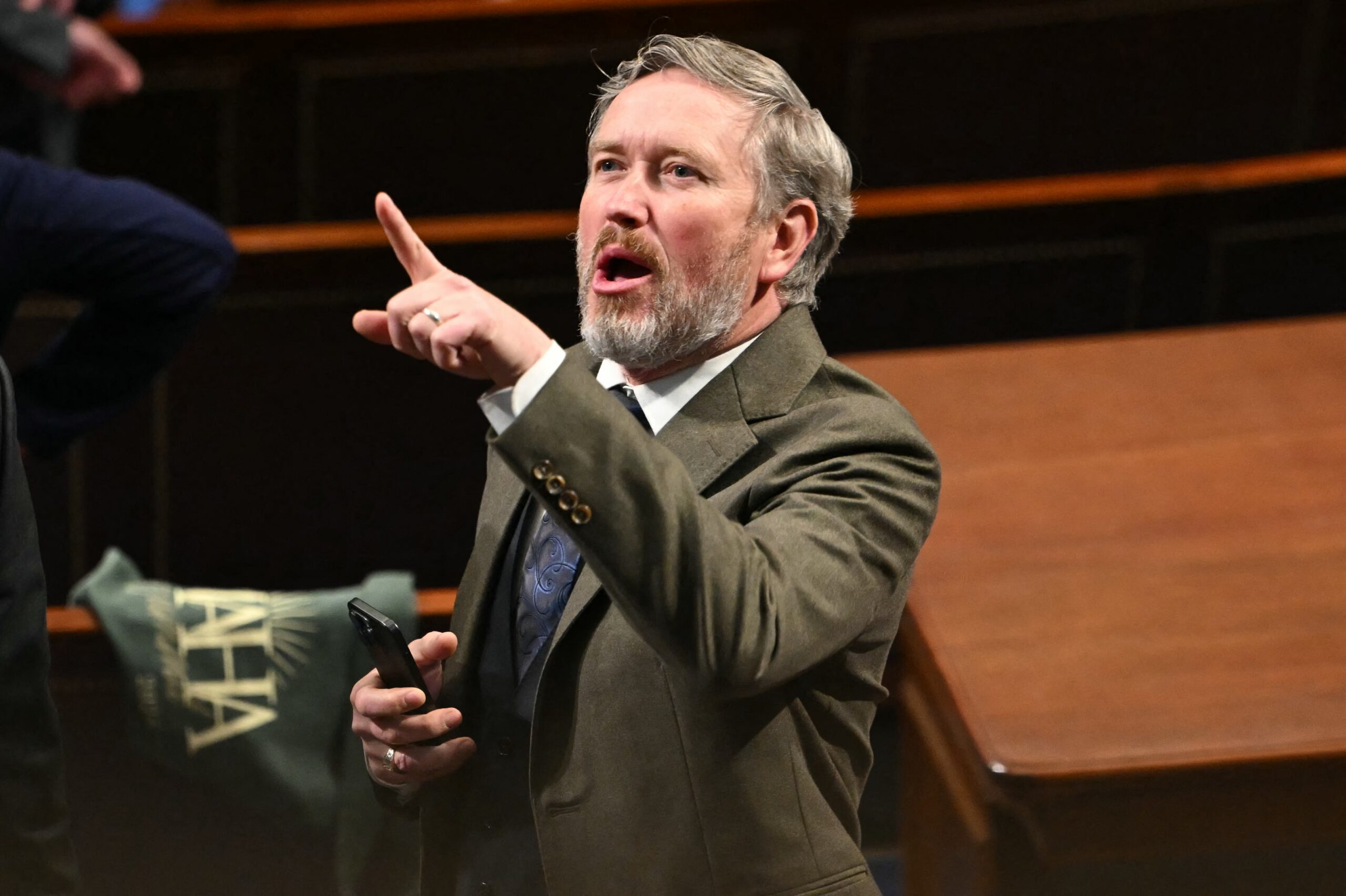
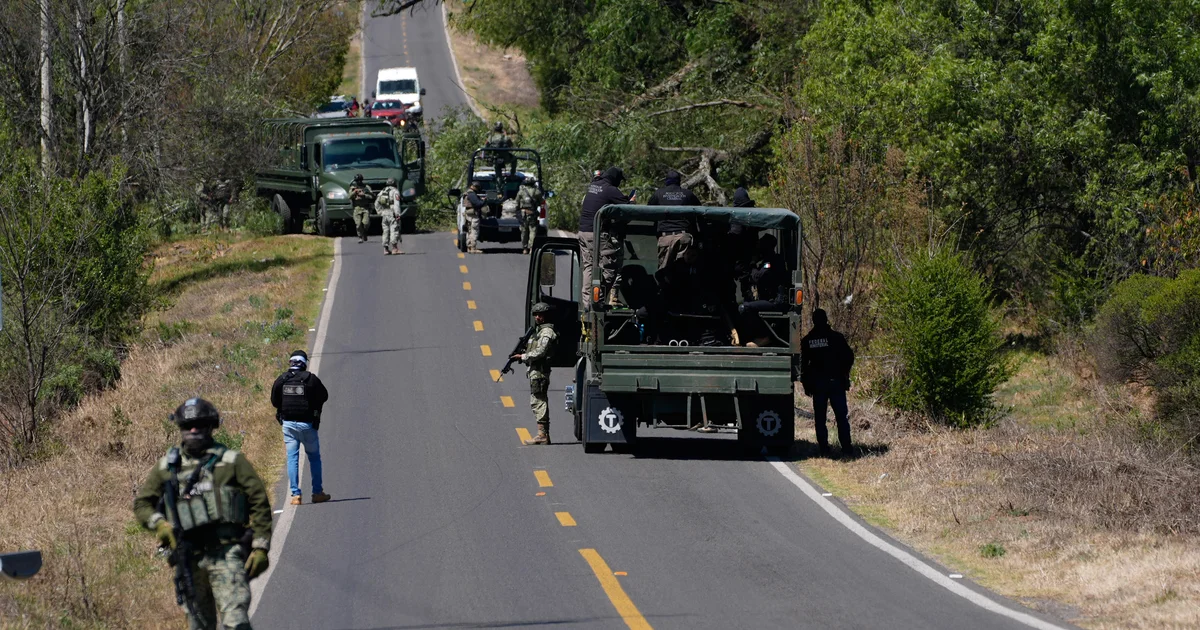
Interior Minister John Reimberg previewed what he called a very strong offensive in areas hardest hit by drug-related violence. His public message was blunt: “We’re at war. Don’t take any risks, don’t go out, stay home.”
Authorities say roughly 35,000 soldiers will deploy, backed by armored vehicles and helicopters, and officials have circulated images and video meant to signal maximum pressure. The pitch is simple: the state is coming in force, and gangs are supposed to absorb the message.
The optics are tight control and high capacity, right down to air assets over Guayas province. What is lacking is a public paper trail on operational specifics, including how forces will be used, what the engagement rules are, and how success will be measured beyond arrests and seizures.
Trump’s Cartel Alliance Raises the Stakes, and the Questions
Ecuador and the United States are also part of a 17-country cartel-fighting alliance launched by Trump at a summit in early March 2026, according to CBS News. For Noboa, the partnership offers backing from Washington, plus a political signal that Ecuador is not fighting alone.
For the United States, it is a chance to project pressure beyond its borders, but the question is where support ends and participation begins. CBS reported it was not clear whether US soldiers would take part directly on Ecuadoran soil, even though joint activity had occurred during Noboa’s presidency.
The cooperation is widening in other ways. CBS reported that US and Ecuadoran forces carried out joint strikes inside Ecuador earlier in March 2026, and that Ecuador’s military sank a so-called narco sub near the northern border.
Results Are the Real Test, and Noboa’s Numbers Are Stubborn
Noboa has spent roughly two years targeting cocaine traffickers, but CBS reported that rates of murders, disappearances, and extortion tied to the drug economy have not fallen. That creates the core tension: a government declaring war while the basic crime indicators refuse to cooperate.
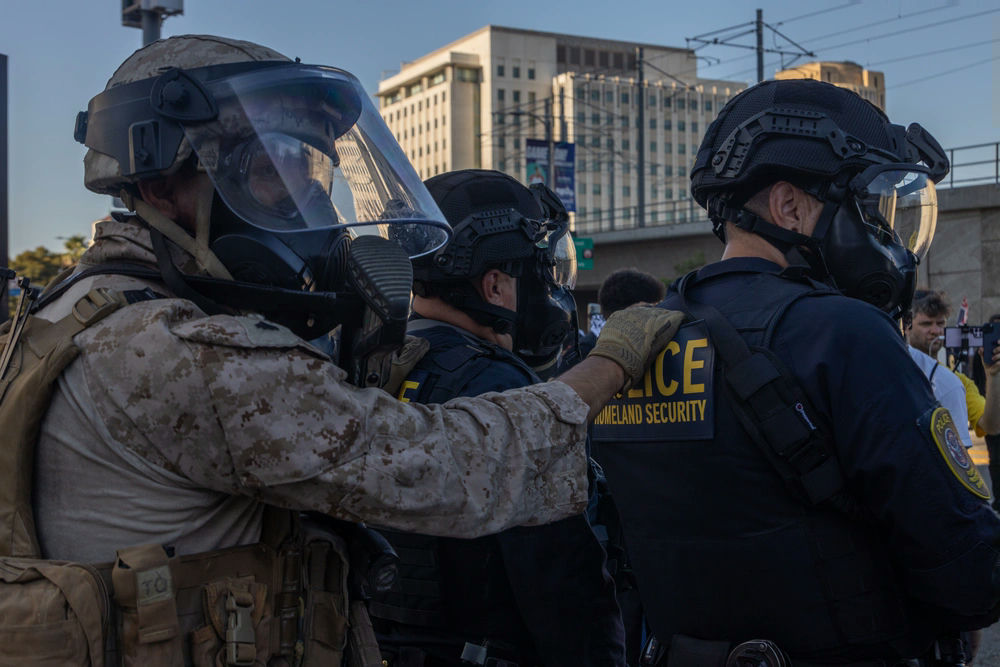
CBS also reported that the FBI said it would open an office in Ecuador to investigate organized crime, money laundering, and corruption with local police. If the violence does not drop after this two-week surge, the next fight will be about escalation, accountability, and whether the alliance is producing real leverage or just louder headlines.