Ecuador just turned its anti-cartel campaign into a two-week, boots-and-curfews blitz, with the United States standing close enough to cast a shadow. The government is calling it war. The public is being told to stay inside. The exact rules of engagement are still fuzzy.
What You Should Know
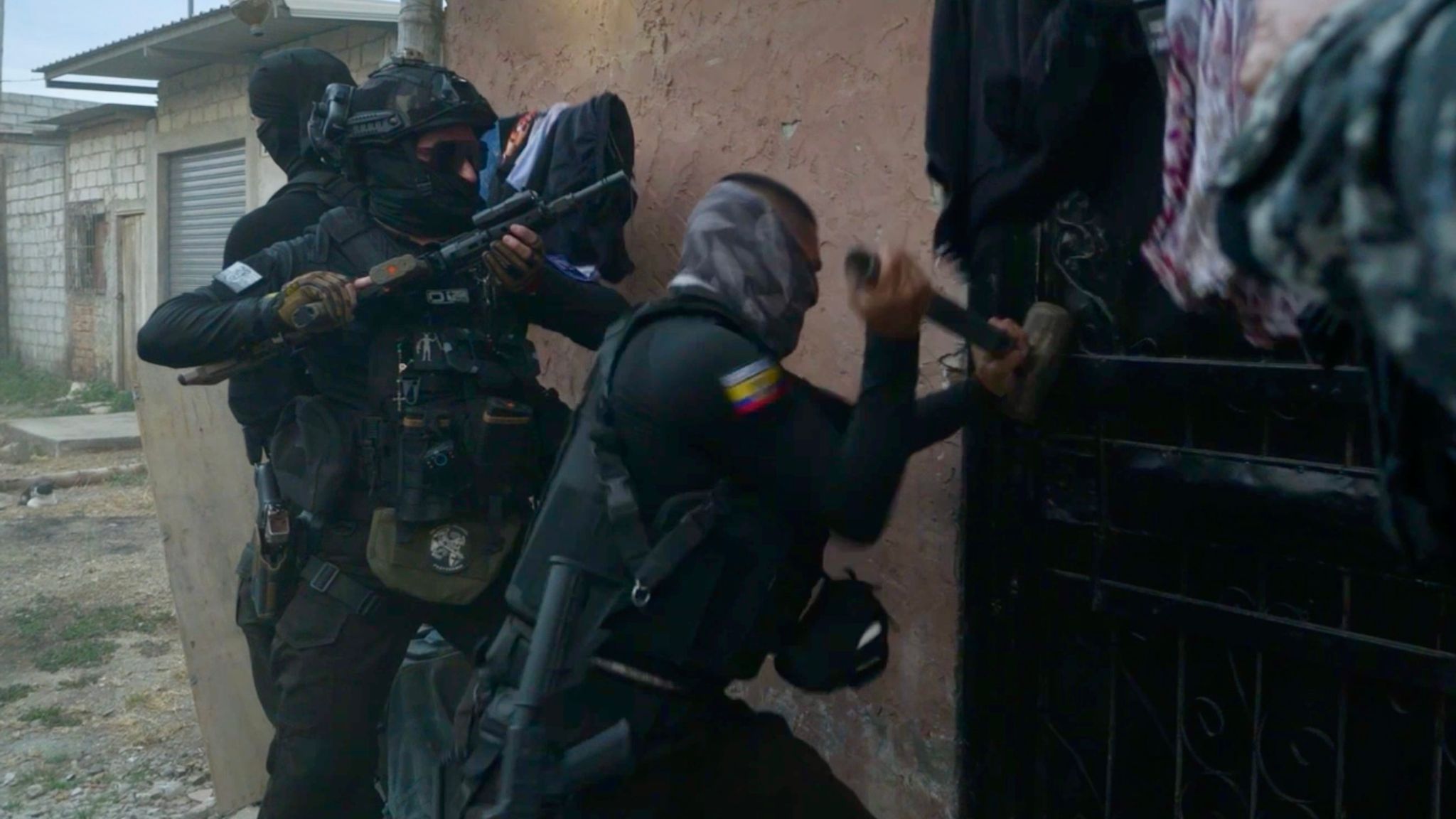
Ecuador began a two-week operation against drug traffickers on March 15th, 2026, with U.S. support, deploying about 35,000 soldiers and imposing nighttime curfews in multiple coastal provinces. Officials have not clarified whether U.S. troops will participate directly on Ecuadoran soil.
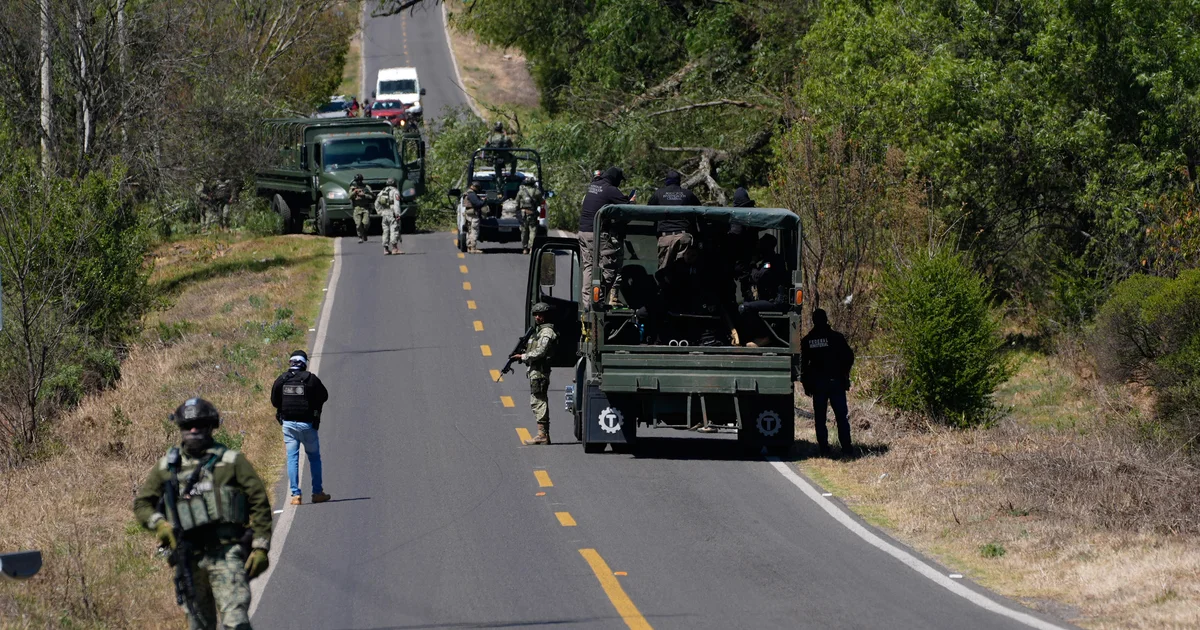
President Daniel Noboa has spent the past two years pitching a hard-line crackdown on cocaine trafficking and the violence tied to it. His interior minister, John Reimberg, is now the public face of the escalation, and the White House is positioning the effort inside a wider, Trump-led regional anti-cartel alliance.
The War Talk Comes With Curfews and a Stay-Home Order
Reimberg did not ease into the message. “We’re at war,” he said, adding, “Don’t take any risks, don’t go out, stay home.” It is a sweeping line for an operation whose specifics, beyond force levels and curfews, have been kept tightly under wraps.
Authorities say roughly 35,000 soldiers will be deployed, backed by armored vehicles and helicopters. Nighttime curfews were announced for Guayas, Los Ríos, Santo Domingo de los Tsáchilas, and El Oro, provinces that have repeatedly shown up in headlines tied to gang control, extortion, and killings.
Where the U.S. Fits In, and Why That Matters
According to CBS News, Ecuador is conducting the two-week push with U.S. support, but officials have not said whether U.S. soldiers will take part directly in Ecuador. That unanswered question is the center of gravity here, because it touches sovereignty, accountability, and who owns the outcome if the operation turns messy.
The backdrop is openly political. Ecuador and the United States are part of a 17-country cartel-fighting alliance launched by President Donald Trump at a summit earlier in March 2026, CBS News reported. In the same reporting thread, CBS News noted recent joint U.S.-Ecuador strikes inside Ecuador, plus a separate episode in which Ecuador’s military sank what it described as a “narco sub” near the northern border.
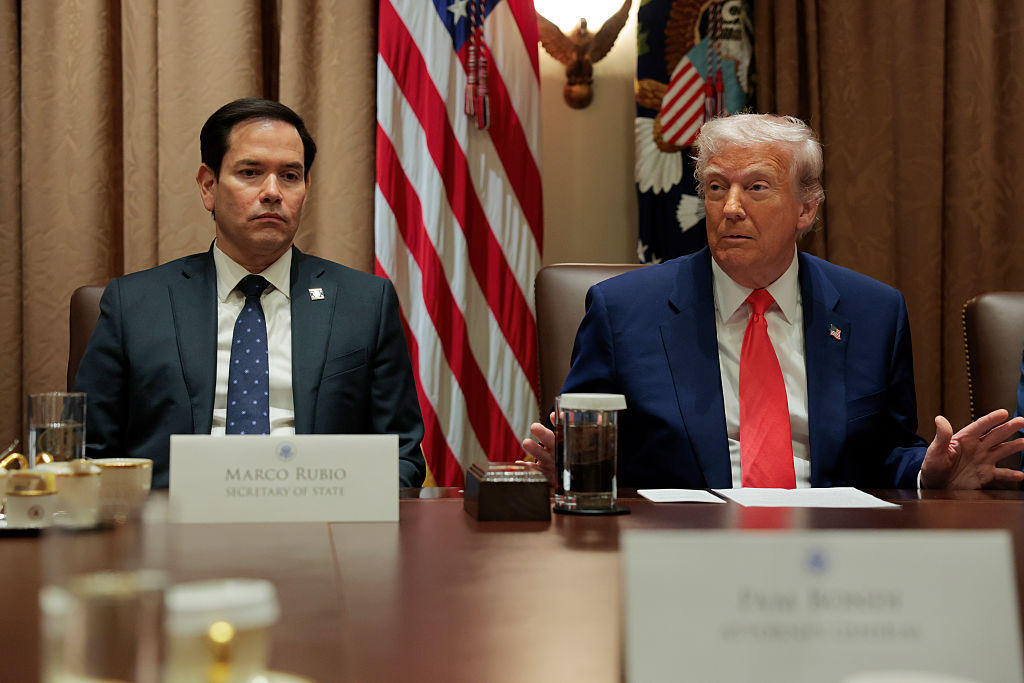
Then there is the U.S. federal footprint. The FBI said it would open an office in Ecuador to investigate organized crime, money laundering, and corruption alongside local police, a move that signals long-term case-building, not just two weeks of raids and roadblocks.
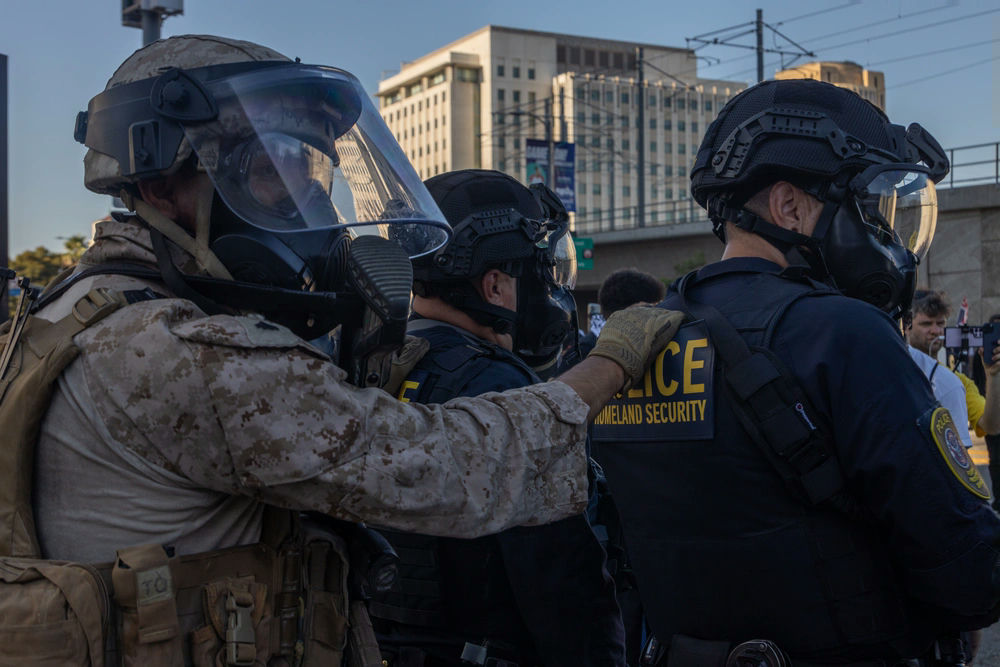
Noboa’s High-Stakes Bet, and the Numbers He Cannot Dodge
Noboa has cast himself as the leader who will take the fight to trafficking networks that use Ecuador as a transit corridor. However, CBS News reported that despite two years of targeting traffickers, rates of associated crimes, including murders, disappearances, and extortion, have not fallen. The contradiction is hard to miss: the rhetoric is rising, but the public metrics are not cooperating.
Reimberg also posted a warning aimed at the gangs, writing, “To the mafias: your time is up. Nothing can stop us.” For now, the operation is framed as inevitable and unstoppable. The next test will be simpler: whether this show of force produces measurable results, or just a louder stalemate with more uniforms on the street.