


It is only $100 million in U.S. Treasuries. But the timing is what has Washington and Europe doing double takes.
A Danish pension fund says it is exiting U.S. government bonds by month’s end because U.S. finances look shaky. The move lands as President Donald Trump ramps up a pressure campaign on Greenland, plus tariff threats aimed at NATO trading partners. U.S. Treasury Secretary Scott Bessent publicly brushed the sell-off aside. The fund’s investment chief, meanwhile, insisted the geopolitics were not the point, even if they made the call easier.
A Small Exit That Hits a Big Nerve
AkademikerPension, a Danish-owned pension provider for academics, confirmed to CBS News that it plans to sell its entire U.S. Treasury holdings of about $100 million by the end of the month. The fund said it will instead use the U.S. dollar and short-duration debt for liquidity and risk management.
In a statement to CBS News, Anders Schelde, AkademikerPension’s chief investment officer, tied the decision directly to Washington’s balance sheet: “The decision is rooted in the poor U.S. government finances, which make us think that we need to make an effort to find an alternative way of conducting our liquidity and risk management.”
U.S. Treasuries have long been treated as the global “cash-like” asset, a place institutions park money because of deep liquidity and a reputation for safety. That is why even a relatively modest fund exit becomes a headline. It is less about the dollars and more about the message.
WHAT THE ACTUAL F*CK!!??
DANISH GIANT AKADEMIKERPENSION IS DUMPING ALL U.S. TREASURIES BECAUSE OUR DEBT IS NO LONGER SUSTAINABLE.
THEY ARE EXITING THE “SAFE HAVEN” AS TRUMP PRESSURES DENMARK TO SELL GREENLAND.
VOLATILITY INCOMING!!! pic.twitter.com/sK0CQ6EypA
— FenoXBT (@FenoXBT) January 21, 2026
Moody’s Downgrade, and the Line That Keeps Coming Back
The pension fund’s stated rationale dovetails with recent ratings pressure. CBS News reported that Moody’s downgraded the U.S. credit rating in May from Aaa to Aa1, citing rising government debt and heightened policy uncertainty tied to President Trump’s trade policy.
Ratings actions do not automatically force investors to sell Treasuries. Plenty of institutions have rules that allow them to hold top-tier government debt across a range of rating bands. But downgrades can still matter as a signal. They also provide a clean, paper-trail justification for risk committees that want to reduce exposure without sounding political.
Greenland in the Background, and Tariffs in the Foreground
Then there is the backdrop. The fund’s move comes as Trump intensifies efforts to acquire Greenland, which is a territory of Denmark. Trump has repeatedly argued the acquisition would strengthen security for the U.S. and its allies, an argument that CBS News said has drawn pushback from NATO.
According to CBS News, over a recent weekend, Trump said he would levy tariffs starting at 10% in February and rising to 25% in June on eight major NATO trading partners until a deal is reached “for the Complete and Total purchase of Greenland.” The tariff announcement was made on Truth Social, and CBS News reported that U.S. and European stocks slid afterward.
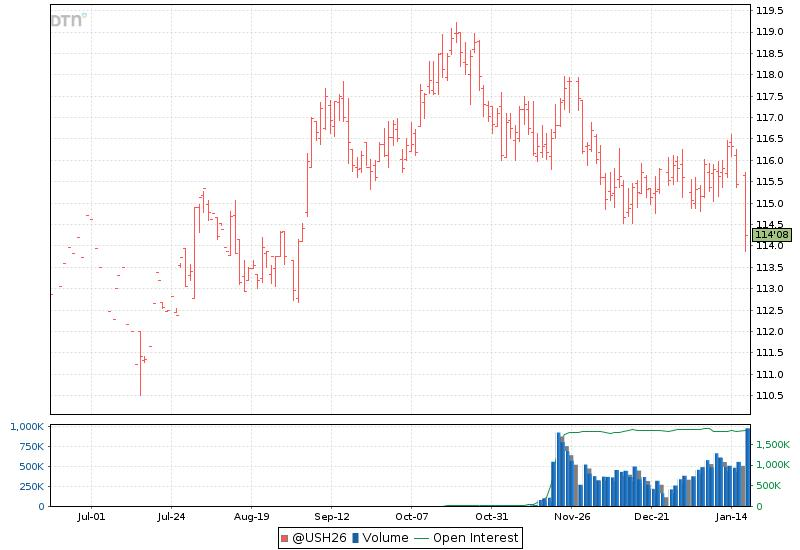
Danish pension fund AkademikerPension to sell its ~$100M US Treasuries holdings by end of Jan 2026, weak dollar, unsustainable debt. Trump’s Greenland threats & tariffs on Denmark/EU contributed but not sole reason. US debt ~$38.45T; 10Y yields rose to 4.283%, markets dipped. pic.twitter.com/j6SDuzmne2
— RESEARCH ON TOP (@researchontop44) January 21, 2026
Schelde tried to draw a line between finance and politics while still acknowledging the atmosphere. CBS News reported that he said the decision was “not directly related to the ongoing rift between the US and Europe,” adding, “but of course that didn’t make it more difficult to take the decision.”
That is the tension in one sentence. The fund says this is about U.S. fiscal strength and risk management. It also admits the broader relationship did not make the decision harder.
Why Washington Cares About Foreign Nerves
The United States relies on foreign investment to help finance its debt, a reality that turns every major buyer and seller into a character in the story. CBS News cited Deutsche Bank Research saying European countries own $8 billion worth of U.S. bonds and equities, nearly double the amount of the rest of the world combined. CBS also noted, citing the U.S. Treasury Department, that large foreign holders of U.S. debt include Japan, the U.K., and China.
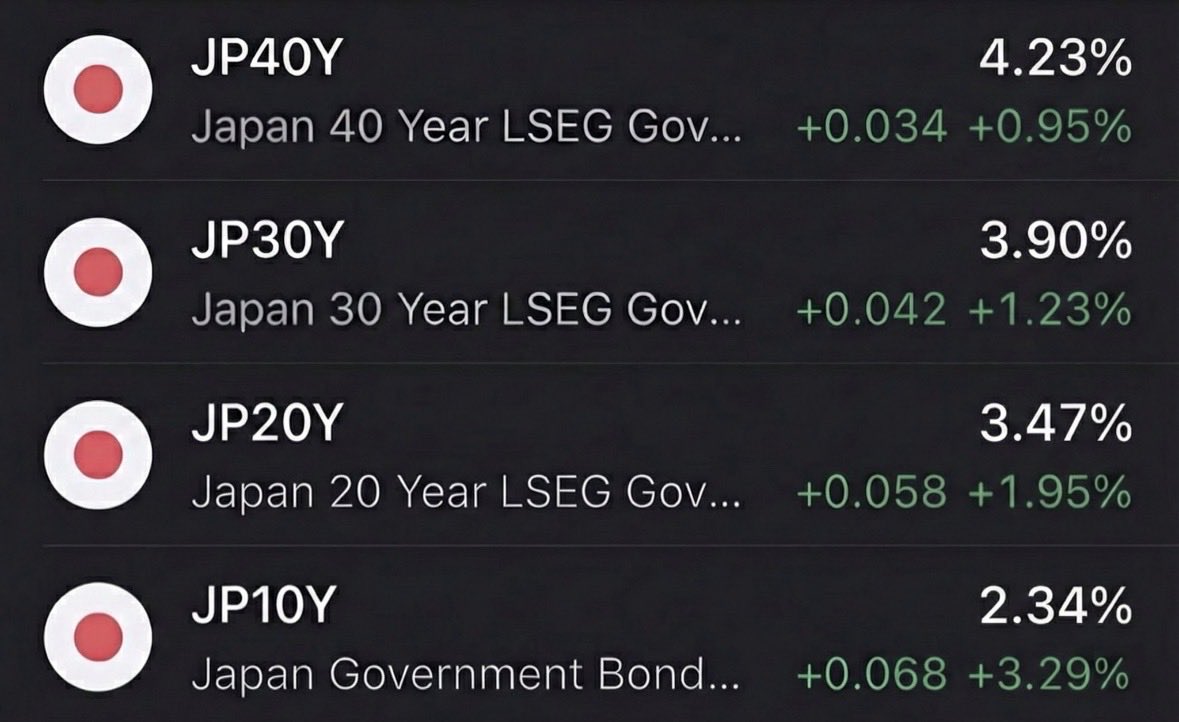
That is the wider frame: even if $100 million is small in a multi-trillion-dollar Treasury market, the political and financial consequences can scale quickly if many investors start asking the same questions at once. Are U.S. deficits manageable? Is policy predictable? Will trade disputes spill into portfolio decisions?
AkademikerPension is not claiming a Treasury crisis. It is claiming a preference shift, away from longer exposure to U.S. government finances and toward liquidity tools it views as more suitable right now.
Bessent’s Brush-Off, and Why It Got Attention Anyway
At the World Economic Forum in Davos, Switzerland, Bessent was asked about the Danish move. He was not interested in dignifying it as a trend. “Denmark’s investment in U.S. Treasury bonds, like Denmark itself, is irrelevant,” he said, according to CNBC. “That is less than $100 million. They’ve been selling Treasuries for years, I’m not concerned at all.”
On its face, Bessent’s math point is correct. In the scale of U.S. borrowing, $100 million is a rounding error. But the dismissal did its own work, because it elevated an otherwise niche portfolio decision into a transatlantic narrative about respect, leverage, and confidence.
In other words, the fund sold bonds. The U.S. government answered with a quote that traveled.
What To Watch Next
The next steps matter more than the single sale.
First, whether other European institutions make similar adjustments and explicitly cite U.S. fiscal conditions, ratings actions, or policy uncertainty. One fund can be idiosyncratic. A cluster becomes a signal.
Second, the shape of Trump’s tariff threats and any negotiations tied to Greenland. Markets tend to price not only policies, but also the sense that policies can change quickly. If tariffs expand, investors will watch for knock-on effects in currency hedging, corporate borrowing costs, and cross-border capital flows.
Third, how U.S. officials talk about foreign holders of U.S. debt. Dismissal can calm domestic audiences. It can also harden overseas skepticism if it reads as indifference to partners who buy American paper.
For now, the facts are plain: a Danish pension fund says it is leaving U.S. Treasuries because U.S. government finances look weak, and the Treasury secretary says the whole thing is too small to matter. Between those two positions sits a bigger unresolved question that no one has closed yet, including the markets.
As Bessent put it, per CNBC: “I’m not concerned at all.”