Washington keeps finding new ways to talk about sending troops without saying the part voters recognize. This time, the debate is not about whether Americans could end up in the middle of a conflict. It is about whether calling it something else changes what it becomes.
What You Should Know
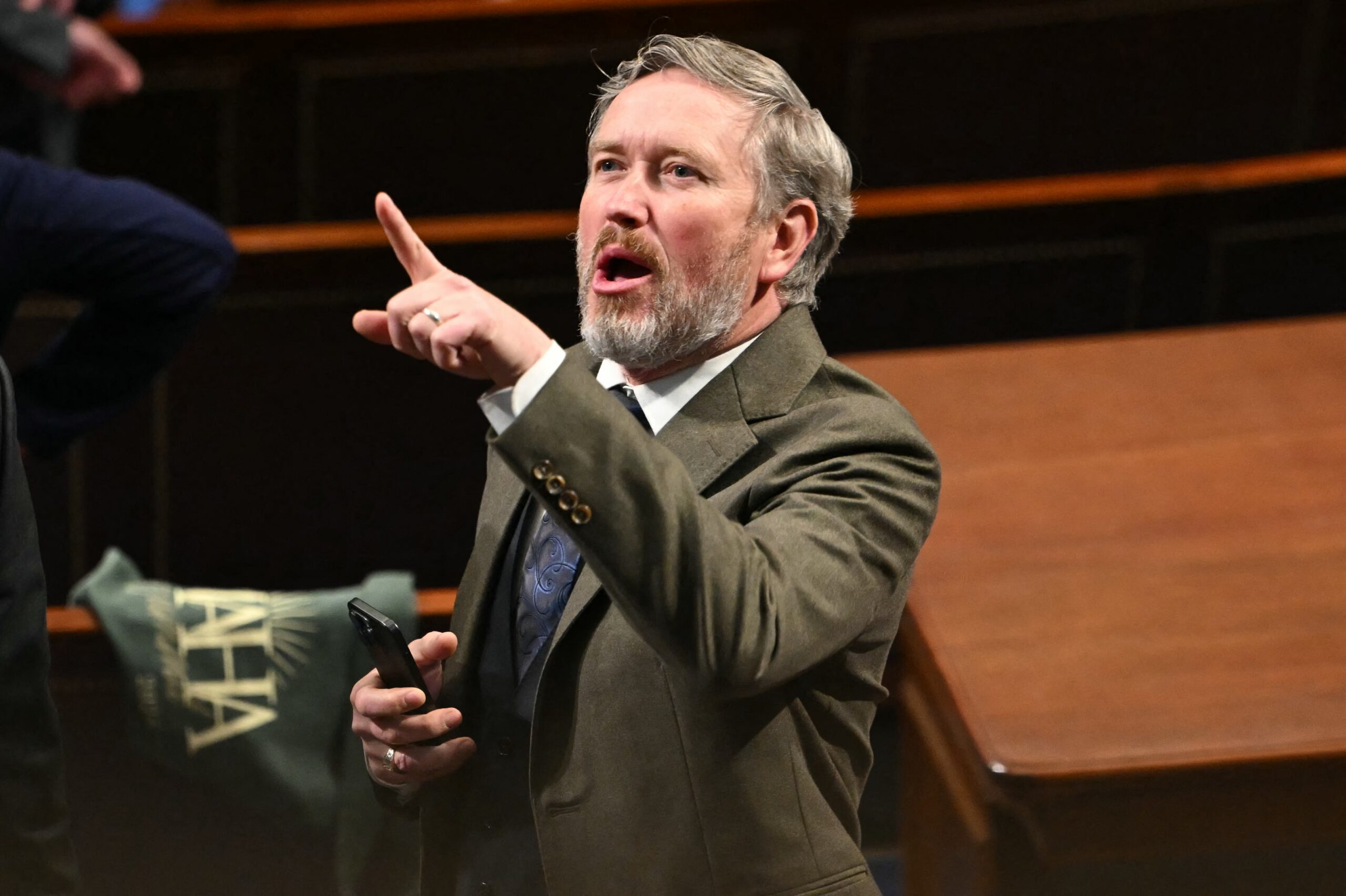
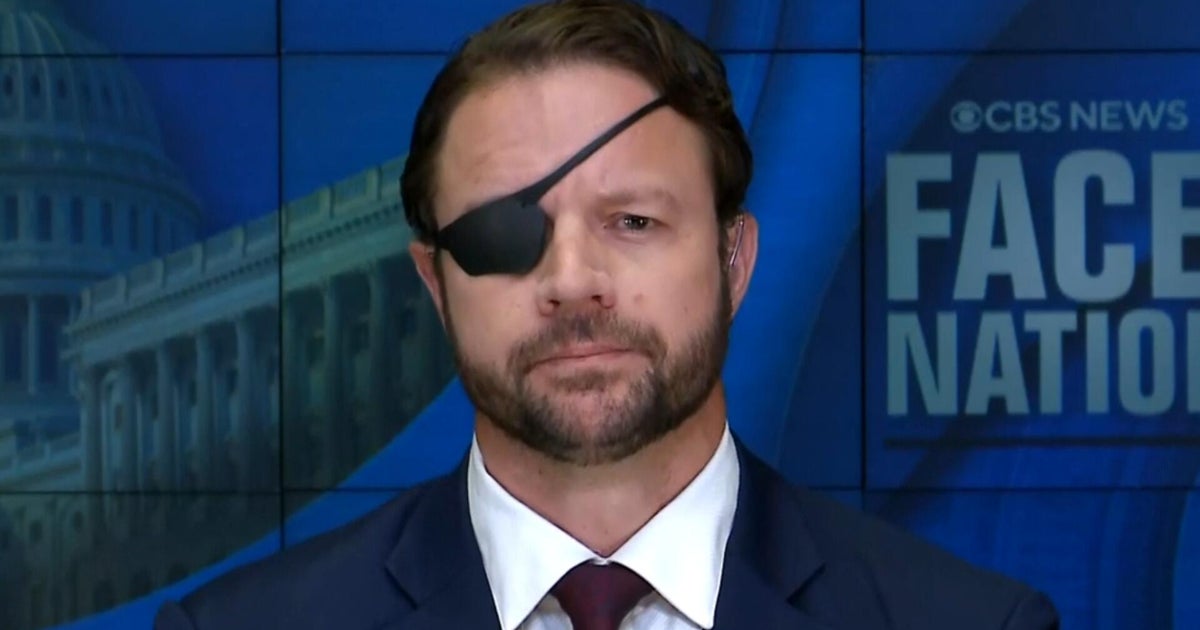
Rep. Dan Crenshaw told CBS that Americans should not view the reported deployment of 5,000 additional Marines to the Middle East as “boots on the ground.” He framed the size and posture as something short of a major combat deployment.
Crenshaw, a Texas Republican and retired Navy SEAL, made the case on “Face the Nation with Margaret Brennan,” leaning on a familiar Washington move: define the phrase, then redefine the stakes.
The Phrase Doing the Heavy Lifting
Crenshaw’s line on CBS was blunt: Americans should not take the move “as boots on the ground deployment, especially with only 5,000 troops.” In his telling, the number is a built-in reassurance.
However, “boots on the ground” is political language, not a formal category with a single agreed-upon meaning. The Joint Chiefs of Staff’s DOD Dictionary of Military and Associated Terms treats “deployment” as straightforward: forces moving to an operational area, a definition that does not care what cable news calls it.
Power, Permissions, and the War Powers Clock
The reason the label matters is leverage. A deployment described as temporary, defensive, or advisory can be easier for the executive branch to expand, while Congress debates vocabulary rather than voting on limits.
According to the Council on Foreign Relations’ overview of the War Powers Resolution, presidents must notify Congress within 48 hours of introducing U.S. forces into hostilities or situations where hostilities are imminent, and the law sets timelines for withdrawal absent authorization. That framework turns “what is this mission” into a high-stakes fight, because the answer can determine how much daylight the White House has before lawmakers demand a formal vote.
Why 5,000 Is Both “Only” and a Lot
Crenshaw’s argument hinges on scale, but scale is doing double duty. Five thousand can be framed as a limited add-on, or as a meaningful footprint, depending on whether the political goal is to calm allies, deter adversaries, or lower expectations at home.
Meanwhile, the public record of recent U.S. military policy shows a pattern: administrations of both parties often avoid committing to big, open-ended ground wars, while keeping room for flexible force moves when crises flare. When the messaging leans on what something is not, critics tend to ask exactly what would have to happen for Washington to admit it crossed the line.
What to watch next is not just the troop number. It is how the mission is described in official notifications, how long the forces are expected to stay, and whether Congress treats the deployment as a definitional debate or a trigger for accountability.