

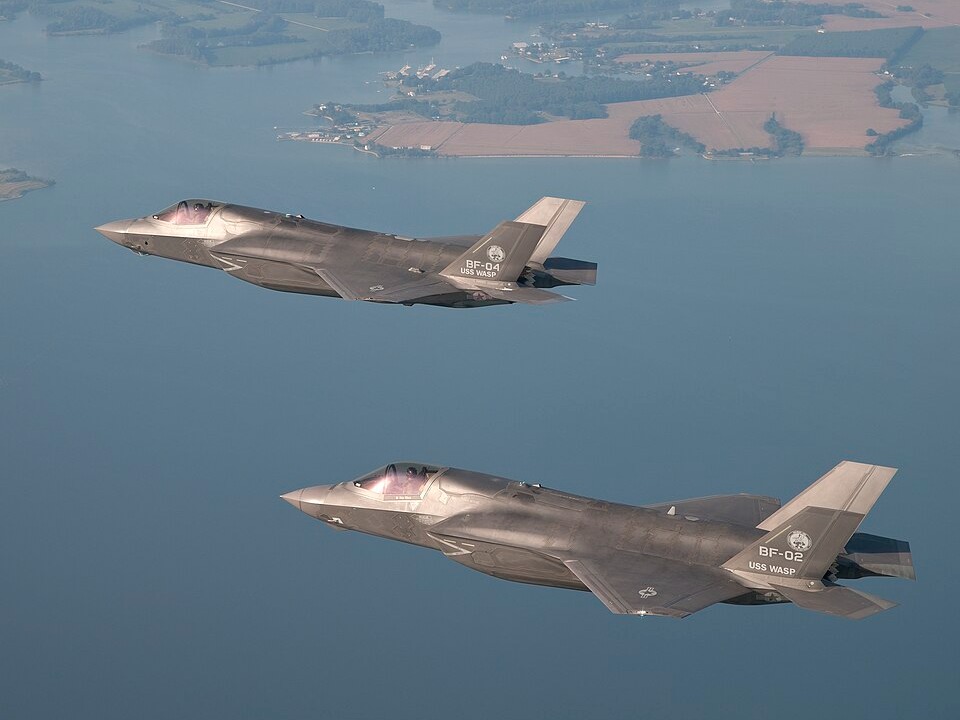
F-35 test pilots Marine Corps Maj. C. R. Clift and Navy Lt. Cmdr. Michael Burks fly BF-2 and BF-4 during a formation flying qualities test in the Atlantic Test Range Aug. 22, 2012. Photo courtesy of Andy Wolfe. Public domain.
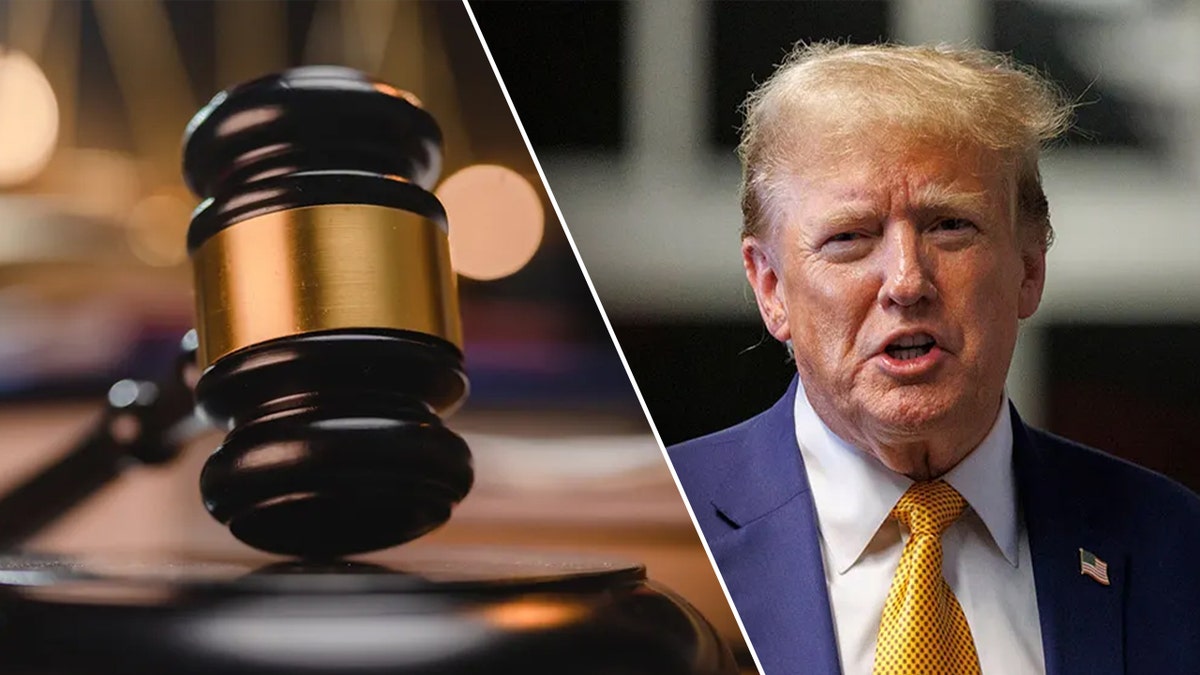
President Donald Trump has dropped a bombshell on Capitol Hill: the United States is officially at war with drug cartels. In a formal notification to Congress, the administration declared a “non-international armed conflict” with these criminal organizations, following a series of deadly military strikes on vessels tied to Venezuelan drug traffickers, as reported by Reuters. This bold move signals a sharp escalation in the fight against narcotics but also raises serious questions about the limits of presidential power and the risk of a widening conflict.
War on Cartels: A New Battlefield
According to Reuters, the Trump administration’s document to Congress brands drug cartels as “unlawful combatants” and claims their actions amount to an armed attack on the United States. This legal framing allows the military to target cartel members under the laws of war, sidestepping traditional law enforcement channels. In recent months, the Pentagon has destroyed at least three suspected drug boats off Venezuela, killing 17 people in the process.
Trump’s memo to Congress states that the cartels are “nonstate armed groups” whose actions “constitute an armed attack against the United States,” as reported by TIME. The president directed the Department of War to conduct operations against these groups pursuant to the law of armed conflict.
Military Muscle in the Caribbean
The U.S. military presence in the Caribbean is no small show of force. Naval destroyers, submarines, and a fleet of ten F-35 stealth jets patrol the waters near Venezuela. The 22nd Marine Expeditionary Unit, with 2,200 Marines equipped with jump jets, helicopters, and armored vehicles, stands ready, as reported by The U.S. Sun. Training exercises have included parachute drops and airfield seizures, signaling preparation for potential ground operations.
Puerto Rico has become a key staging ground, with nonstop flights ferrying troops and gear, as reported by The U.S. Sun. While no official invasion plans have been confirmed, the scale of the buildup suggests Washington wants the option to strike deep inside Venezuelan territory if ordered.
The Cartel Crisis at Home
The stakes couldn’t be higher. The 2025 National Drug Threat Assessment from the DEA paints a grim picture: over 84,000 Americans died from drug overdoses in the year ending October 2024, with fentanyl and methamphetamine leading the carnage, as reported by Small Wars Journal. Mexican cartels like the Sinaloa and Jalisco New Generation Cartels have been officially designated foreign terrorist organizations, responsible for flooding the U.S. with deadly synthetic drugs.
These cartels run sprawling networks, smuggling precursor chemicals from China and India, manufacturing synthetic opioids in secret labs, and distributing drugs nationwide through social media and encrypted apps. Their reach extends into nearly every state, backed by brutal violence, kidnapping, extortion, and money laundering.
Legal Lines Blurred
But turning drug cartels into wartime enemies is stirring unease among legal experts. The label “unlawful combatants” stretches traditional wartime doctrine, which usually applies to conflicts between nations or organized armed groups. Drug trafficking, no matter how deadly, has long been treated as a criminal issue, not a military one.
Geoffrey S. Corn, a retired military lawyer, says selling drugs is not the same as an armed attack, as reported by TIME. U.S. intelligence describes groups like Venezuela’s Tren de Aragua as loosely organized criminals, not structured armed forces.
Senator Jack Reed, the top Democrat on the Armed Services Committee, slammed the administration for failing to provide credible legal or intelligence backing. He warned that the president is waging “secret wars against anyone he calls an enemy” without Congress’s say-so, as reported by Reuters.
Executive Power vs. Congress
This declaration adds fuel to the long-smoldering battle between the White House and Congress over war powers. By declaring a non-international armed conflict with cartels, the administration expands presidential authority to conduct military operations without explicit congressional approval. This echoes past controversies over broad war authorizations that critics say have led to endless conflicts.
The strikes on suspected drug-smuggling vessels — described by critics as potentially civilian — have sparked controversy, with some legal experts labeling them extrajudicial killings cloaked in counter-drug rhetoric. While the administration insists the targets were valid under the law of armed conflict, critics question whether lethal force was justified when arrest and prosecution remained viable option
Geopolitical Ripples
The conflict is shaking up Latin America. Venezuelan President Nicolás Maduro denounced the U.S. military buildup and strikes as provocations and a cover for regime change. Maduro claims Venezuela is mobilizing millions of troops to defend against “threats of bombs, death, and blackmail,” as reported by The U.S. Sun.
Colombian President Gustavo Petro called for criminal probes into Trump over the strikes, accusing the U.S. of bombing unarmed civilians and breaking international law, as reported by TIME. Petro’s government has rekindled ties with Venezuela and deepened relations with China, complicating U.S. influence in the region.
The U.S. revoked Petro’s visa after he urged American soldiers to “disobey the orders of Trump,” as reported by TIME, escalating diplomatic tensions. The administration’s war on drugs in the Caribbean has opened a new front in the geopolitical tug-of-war for Latin America, with consequences far beyond narcotics interdiction.
The Human Toll and What’s Next
At least 17 people have reportedly died in U.S. strikes on suspected drug-smuggling boats. The administration argues these operations are vital to stop narcotics that kill tens of thousands of Americans annually. Trump has called the cartels “narco-terrorists” and vowed, “there’s more where that came from,” as reported by The U.S. Sun.
But critics highlight the lack of transparency and due process. The vessels targeted were described by the administration as drug-smuggling craft, though critics argue they may have been civilian boats. The identities of those killed remain unclear, and no full accounting has been released by the Pentagon. The broad “unlawful combatant” label raises fears of unchecked executive power and potential abuses under the guise of national security.
The administration is reportedly preparing further military options, including drone strikes on cartel leaders and drug labs inside Venezuela. According to TIME, officials say these could begin within weeks, signaling a conflict that may only intensify.
Meanwhile, Congress is drafting a War Powers Resolution to rein in unilateral military actions. The debate over the legality and wisdom of this new war is far from over, with major implications for U.S. foreign policy, executive authority, and the lives caught in the crossfire.
The United States now faces a new kind of war — one that blurs the lines between law enforcement and military conflict, and tests the limits of presidential power in a fight with deadly stakes.
References: Trump determines US is at war with drug cartels, document to Congress says | US military ‘preparing to seize ports & airfields’ in Venezuela as Trump declares full-scale war on drug cartels | Trump Tells Congress U.S. Is at War With Cartels: What That Means | 2025 National Drug Threat Assessment | Small Wars Journal by Arizona State University