A phrase like “ground invasion of Iran” travels fast in Washington because it sounds decisive. The problem is that phrases do not deploy troops, and the people who say them are not always the people who can legally pull the trigger.
What You Should Know
Rep. Tim Burchett, a Tennessee Republican, discussed the idea of a ground invasion involving Iran, according to The Hill. Any real move toward U.S. combat operations would raise immediate questions about Congress’s authority, legal timelines, and political buy-in.
Burchett is one member of a Congress that loves to debate strength and weakness, but often hesitates when the debate turns into votes authorizing force, funding a war, or owning the aftermath.
The Line Between Talk and Authority
The Constitution divides war-making power deliberately, giving Congress the power to declare war while making the president the commander in chief. That divide is where tough talk goes to get lawyered.
The War Powers Resolution, passed over President Richard Nixon’s veto in 1973, tries to force that conversation into the open by setting reporting requirements and time limits for introducing U.S. forces into hostilities. In the law’s own words, “The constitutional powers of the President as Commander-in-Chief to introduce United States Armed Forces into hostilities, or into situations where imminent involvement in hostilities is clearly indicated by the circumstances, are exercised only pursuant to (1) a declaration of war, (2) specific statutory authorization, or (3) a national emergency created by attack upon the United States, its territories or possessions, or its armed forces.”
Why Iran Is a Trapdoor Topic for Congress
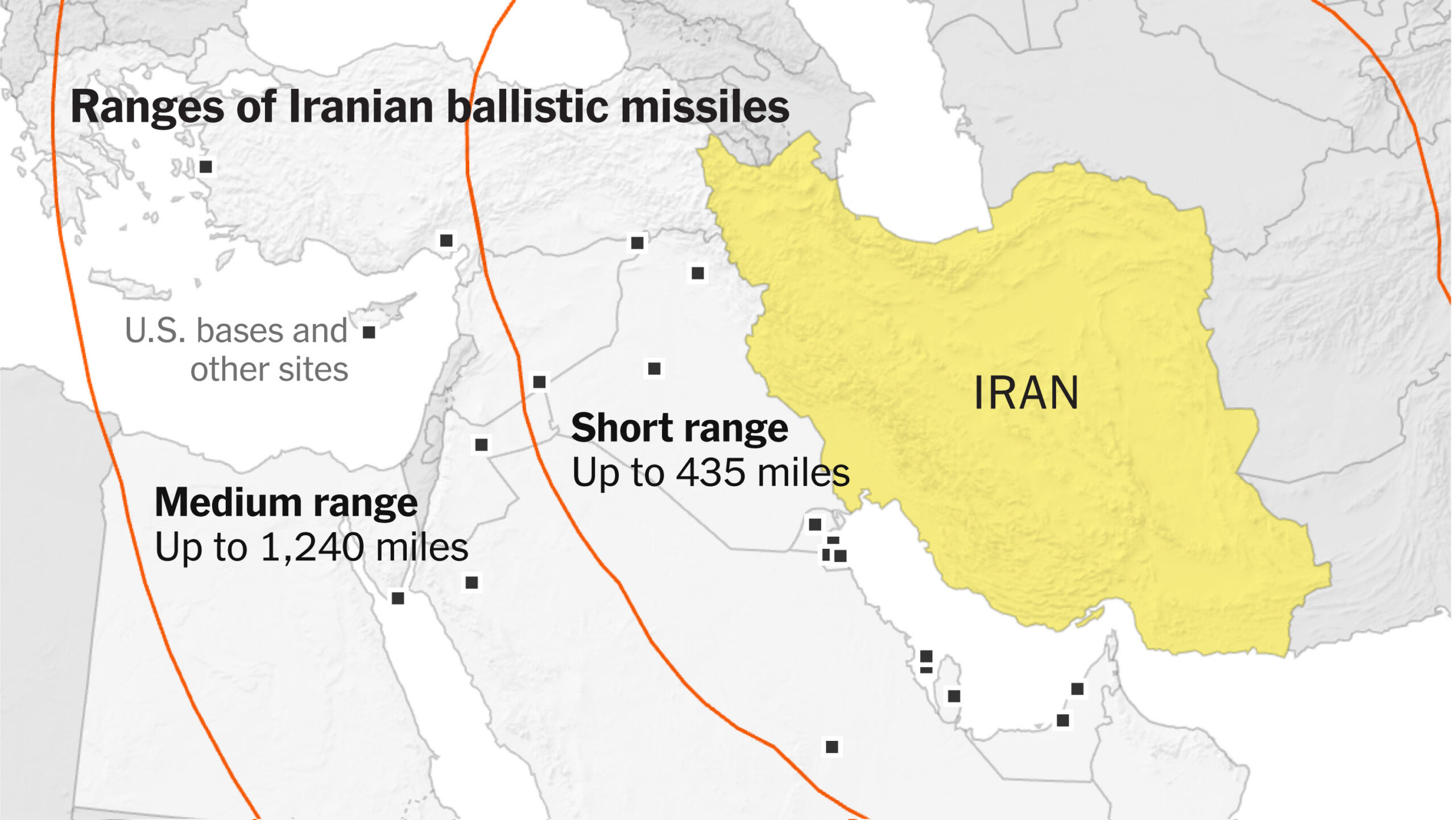
Iran is not a blank map where slogans become strategy. It is a regional power with layered proxy relationships, a history of U.S. confrontation, and a capacity to widen a fight beyond a single battlefield, which is why even hypothetical invasion talk lands like a stress test.
That is also where the incentives get awkward. Members of Congress can posture about resolve on television, but a sustained military operation demands something more measurable, including clear authorization, funding, oversight, and an argument that stands up to both the casualty count and the next election cycle.
What to Watch if Rhetoric Turns to Votes
If Iran talks escalates from interviews to legislation, the tells will show up quickly: proposed authorizations for the use of military force, resolutions meant to limit the president, and fights over whether older war authorities can be stretched to fit a new conflict. Those are the moments when Washington’s chain of command meets Washington’s chain of accountability.
The next clash is not just about Iran. It is about whether Congress wants to be a co-owner of war powers again, or prefers the safer position of commenting loudly while the executive branch bears the risk.