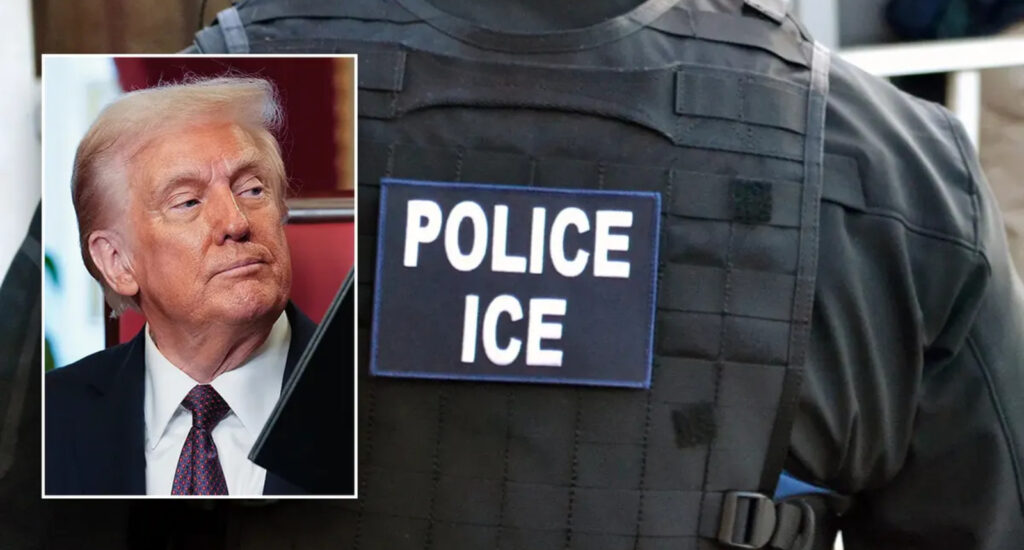
ICE is one of Washington’s favorite props: invoked in speeches, condemned on cable, and rarely described with boring precision. A new poll is forcing that precision, because it ties the agency directly to Donald Trump, and voters’ reactions are not as clean as either side’s messaging.
What You Should Know
The Hill reported on a poll measuring Americans’ views of Donald Trump and U.S. Immigration and Customs Enforcement. The results land in the middle of an election-year fight over border enforcement, deportations, and how much discretion a president can realistically exercise over federal agencies.
The setup is simple and combustible. Trump is again promising tougher immigration enforcement, and ICE remains the name most associated with removals, detention, and worksite investigations, even though border operations are primarily handled by U.S. Customs and Border Protection.
The Poll That Put ICE Back on the Ballot
According to The Hill’s write-up, the poll places ICE alongside Trump in a way that invites a single question with two political consequences: Do voters see the agency as a necessary enforcement tool, or as a symbol of overreach?
That framing matters because ICE is not a campaign committee. It is a federal agency inside the Department of Homeland Security, and its daily work is governed by statutes, court rulings, appropriations, and internal policy that can outlast any single administration’s slogans.
Trump’s Promise vs. the Paperwork Reality
Presidents can change priorities fast, but they cannot snap their fingers and rewrite capacity. Detention beds, transportation contracts, immigration court backlogs, and local cooperation agreements all determine what enforcement looks like in practice, not just what sounds good at a rally.
ICE itself describes its scope in national-security language, saying its mission is “to protect America from the cross-border crime and illegal immigration that threaten national security and public safety.” That sentence is broad enough to fit inside almost any political narrative, which is why the argument quickly turns into a fight over targets and tactics.
What Happens if ICE Becomes the Campaign’s Main Character
For Republicans, the upside of foregrounding ICE is clear: it signals enforcement and deterrence. The risk is that a maximalist promise collides with implementation details, and voters notice the gap between sweeping vows and the slower machinery of federal operations.
For Democrats, the political math is also complicated. Running against ICE as a symbol can energize activists, but a poll showing mixed or nuanced views can prompt a shift toward reform language that is specific enough, while still sounding credible to the party from policies it criticizes.
Watch the next move: whether campaigns keep saying “ICE” as shorthand, or whether they start talking in the less cinematic terms that actually govern enforcement, like appropriations, detention standards, and prosecutorial discretion.