

Maine is not used to waking up to tactical gear rumors in the school drop-off line. That is the new reality residents, mayors, and the governor describe as federal immigration agents roll through neighborhoods, with one central question hanging over everything.
Who, exactly, is being targeted, where, and under what authority?
That information gap is now the story, because local officials say they are getting headlines and press lines, not specifics.
A small-state crackdown with a big-name label
According to PBS NewsHour’s reporting, the Department of Homeland Security announced a Maine operation branded “Catch of the Day,” framing the mission as a push against “the worst of the worst.” DHS spokesperson Tricia McLaughlin told PBS that more than 100 arrests were made in the first three days.
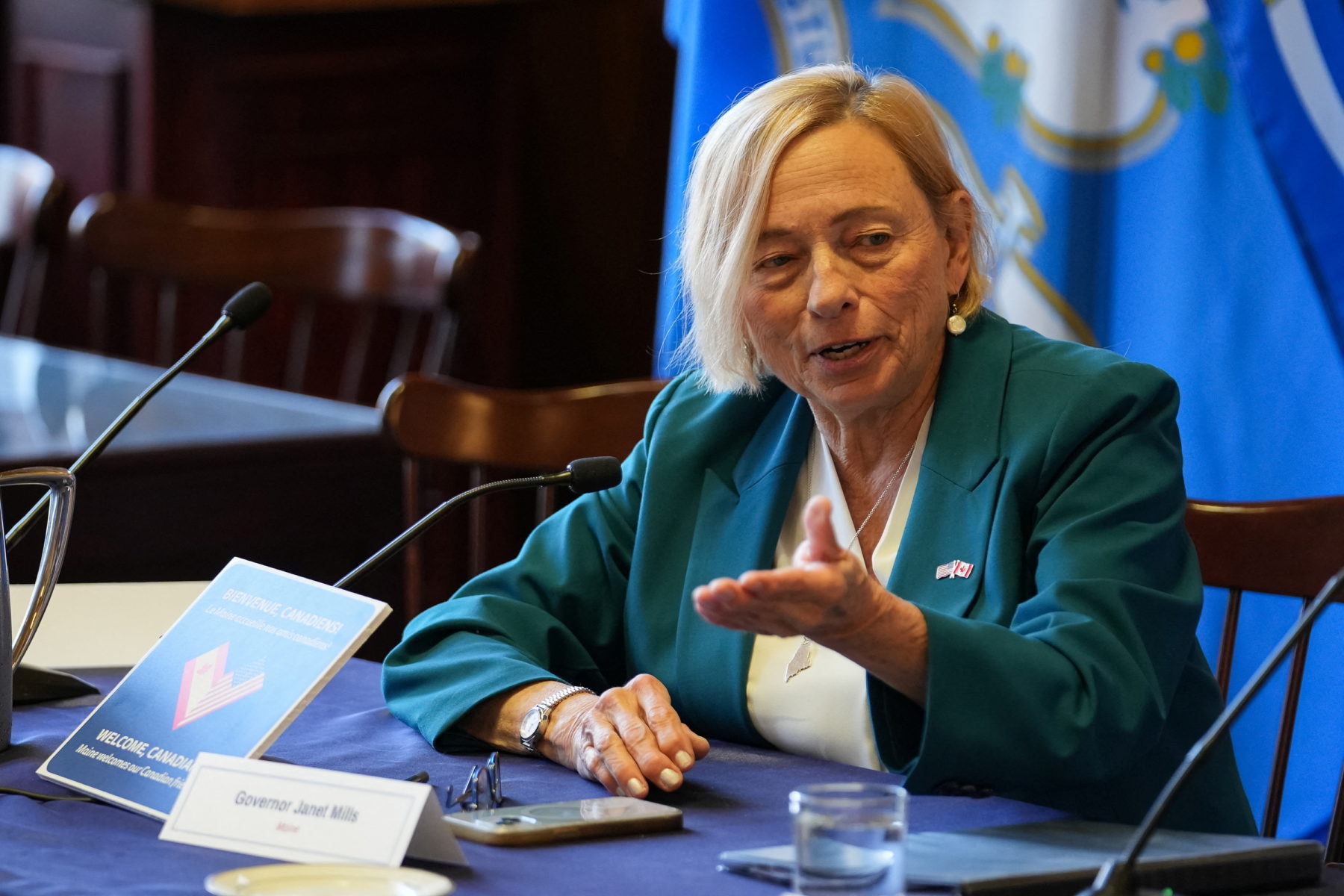
State and local officials say the branding is loud, but the paperwork is quiet. Democratic Gov. Janet Mills publicly demanded basic details and questioned why Maine was selected, saying, “Why Maine? Why now? We’ve reached out, we’ve asked questions. We have no answers,” PBS reported.
Maine @GovJanetMills had harsh words today for the ICE surge into the state–she’d be “shocked” if the agents find 1,400 immigrants with criminal charges–but wishes she could get more info on what’s happening:https://t.co/kboxKWBpJm pic.twitter.com/KBmPrWVthQ
— Phil Hirschkorn (@PHirschkorn) January 22, 2026
In Mills’ telling, the problem is not just enforcement. It is enforcement without transparency. She also challenged ICE claims about the criminality of targets, urging federal officials to provide documentation and warrants, according to PBS.
Local leaders say they are being kept in the dark
Portland and Lewiston, Maine’s two largest cities, became early pressure points, with their mayors warning residents to prepare for an increased federal presence, according to PBS.
Portland Mayor Mark Dion questioned the tone of the operation, saying, “While we respect the law, we challenge the need for a paramilitary approach,” PBS reported.
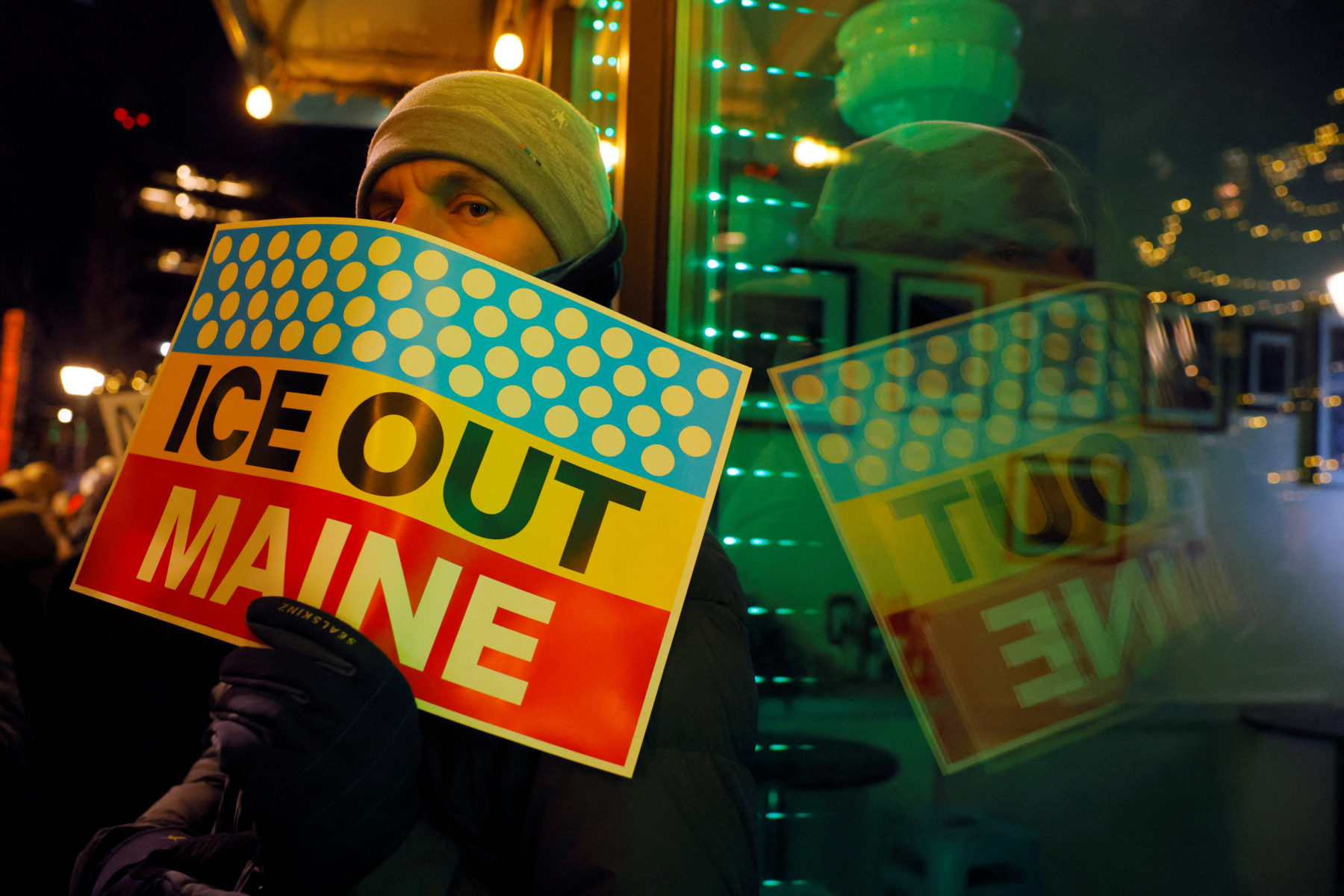
Portland’s spokesperson Jessica Grondin told PBS the city had not received official information beyond federal press releases. Lewiston Mayor Carl Sheline, in an email shared with PBS, described trying to verify arrest and detainment numbers as “a bit of a moving target right now,” and confirmed at least one person was detained and later released.
That set of statements creates a blunt contrast. DHS says the operation is focused and successful. Local executives say they cannot even get a consistent spreadsheet.
The fear is measurable, not just anecdotal
Activists and community organizers say the anxiety is translating into behavior changes, including people staying home. One of the clearest metrics in the PBS account came from schools.
Portland Public Schools told PBS by email that its absence rate was 11 percentage points higher on a Thursday than the average for the first half of January, with some schools exceeding 20 percentage points above that earlier average, PBS reported.
Meanwhile, a volunteer-run hotline overseen by the Maine Immigrants’ Rights Coalition saw a major spike in calls as the operation began, according to Ruben Torres, the group’s advocacy and policy manager, in the PBS report. Torres described the calls as a mix of confusion and panic, as well as residents trying to help neighbors.
“Show the warrants” meets “worst of the worst”
DHS has said its arrests include people charged or convicted of serious crimes, including aggravated assault, false imprisonment, and child endangerment, according to PBS.
But Mills’ response, as described by PBS, is not a denial that dangerous people exist. It is a demand for verifiable, case-by-case receipts. In the same report, Mills said her office was hearing accounts of people with no criminal background being detained and separated from families.
The contradiction is the political fuse here. If the targets are truly limited to high-risk offenders, federal officials could defuse local resistance with basic transparency: arrest locations, warrant information, where detainees are held, and how long the surge will last. PBS reported DHS did not answer questions on those specifics.
Why Maine becomes the stage, even at 4 percent
Immigrants make up about 4 percent of Maine’s population, PBS reported, which raises a practical question: why such a visible, branded operation in a state where immigrants are a relatively small share of residents?
Even without assuming motive, the political context is clear in the PBS account. Mills pointed to large-scale immigration actions in other blue-state urban areas, arguing that Maine fits a pattern of high-profile enforcement in Democratic-led regions.
Maine’s demographic profile also shapes how enforcement feels on the ground. PBS described the state as overwhelmingly white and among the most rural in the nation. Torres told PBS that those realities mean immigrant communities can be more visible in daily life, even when the total share of immigrants is modest.
For additional context on Maine’s foreign-born population and where residents live across the state, the U.S. Census Bureau’s data portal provides American Community Survey tools that allow state-level breakdowns by nativity, residence patterns, and time in the U.S., though specific estimates vary by year and table selection.
Street-level sightings and community pushback
On the ground, the story is being written in text alerts, neighborhood groups, and eyewitness accounts.
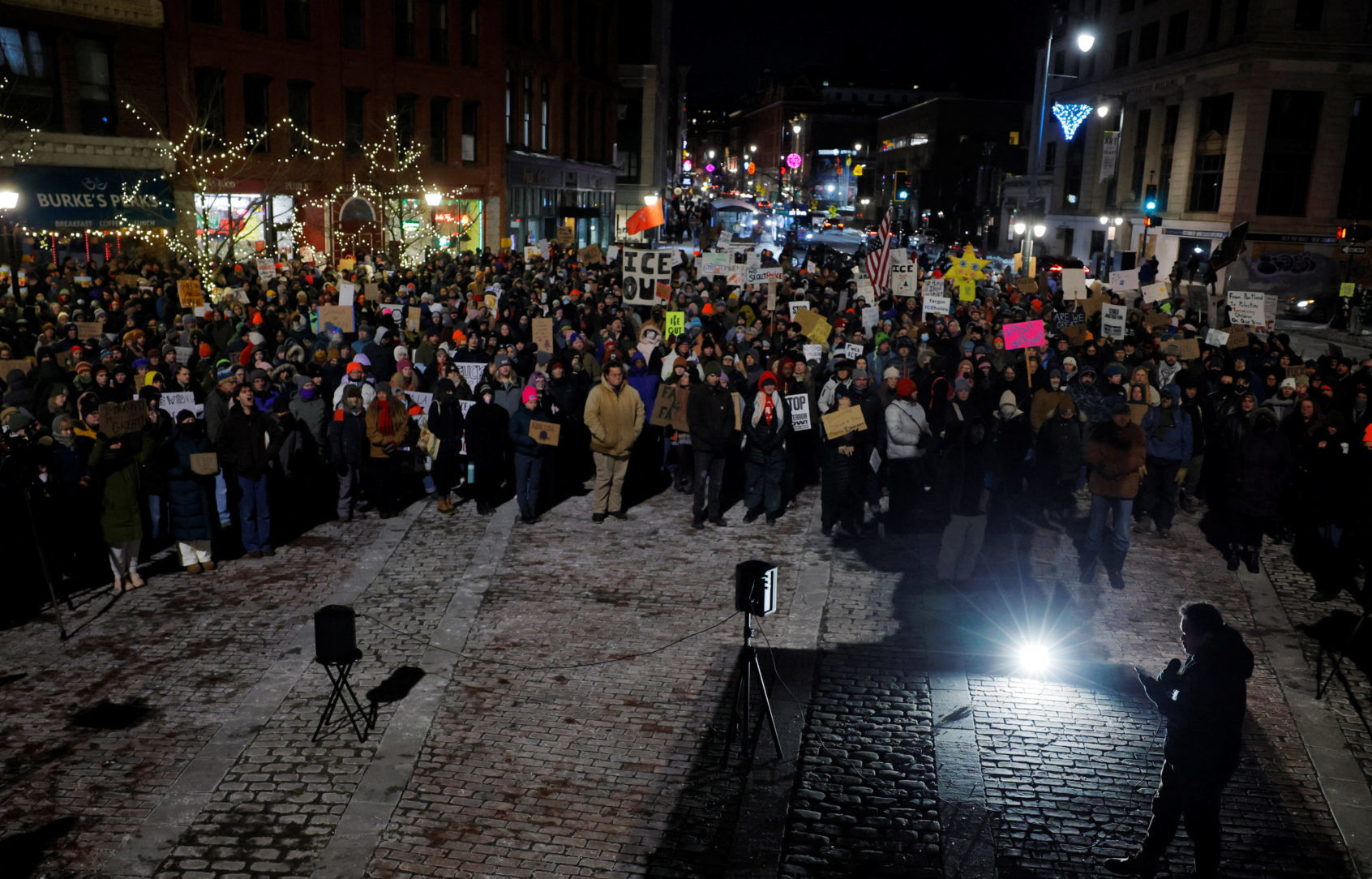
PBS reported that Crystal Cron, a parent and the founding director of Presente! Maine described receiving a message about multiple vehicles and armed agents in tactical gear near a neighborhood operation. She said community members arrived and the officers ultimately drove away. Cron called it “terrifying,” and later described more patrols, claiming people were being taken off the street.
My coverage today in Portland. Maine @GovJanetMills denounces ICE ‘secret police’ tactics amidst agent surge into state: https://t.co/eiff8Yfgd1
While Maine Senator Angus King accuses ICE of ‘terrorizing’ American citizens:https://t.co/hRD1oO5VXY@newscentermaine #MEpolitics pic.twitter.com/TLM9qG7GWV— Phil Hirschkorn (@PHirschkorn) January 23, 2026
Lewiston’s mayor, in a statement cited by PBS, said increased ICE activity in public spaces “has created fear,” and that businesses were feeling the ripple effects as residents avoided public life.
These are not courtroom findings. They are community accounts. But they help explain why even a limited enforcement action can produce wide disruption when it is highly visible and information is scarce.
What happens next, and what would settle the argument
Maine officials are not in charge of federal immigration enforcement, but they are in charge of public trust in their cities and schools. The political clash described by PBS is not just a dispute over policy. It is a dispute over process.
If DHS wants Maine’s local leaders to accept the “worst of the worst” framing, the fastest route is paperwork, not branding. If the state’s leaders want to prove their concern is more than rhetoric, they will likely keep pressing for specifics that can be evaluated: warrants, charges, court records, and verified arrest totals by location.
Until then, the operation’s name will do what it was designed to do. It will dominate the conversation. And Maine’s leaders will keep asking the same question Mills put on the record, with the same blunt demand underneath it: show the documents.