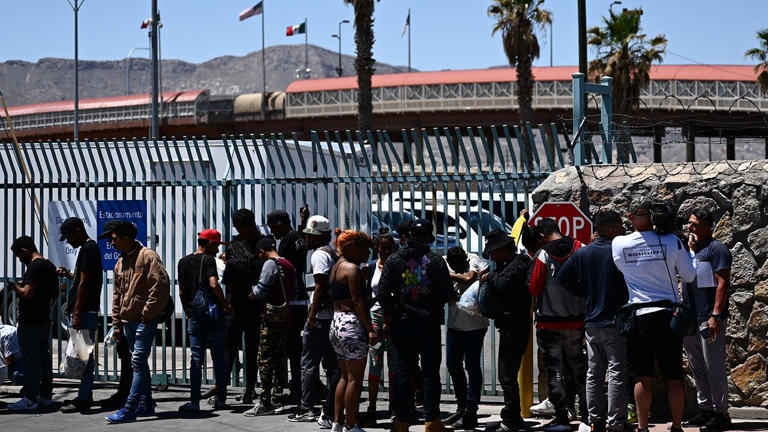
Governors keep promising they will take border control into their own hands. Then the paperwork hits, and suddenly the fight is less about fences and more about who has the legal keys to immigration enforcement.
What You Should Know
U.S. immigration authority rests primarily with the federal government, and it has repeatedly held that the states cannot run their own parallel immigration systems. States still test the limits through state laws, policing tactics, and lawsuits aimed at federal policy.
The tension is simple. States argue Washington is not enforcing the law aggressively enough, while federal officials argue the Constitution gives them the steering wheel on immigration, even when states do not like the route.
The Supremacy Clause Has a Catch
In immigration, the Supreme Court has treated federal power as the default, with states playing at most a narrow supporting role. That does not stop state leaders from trying to widen that role through state crimes, state penalties, or state detention schemes that mimic federal immigration enforcement.
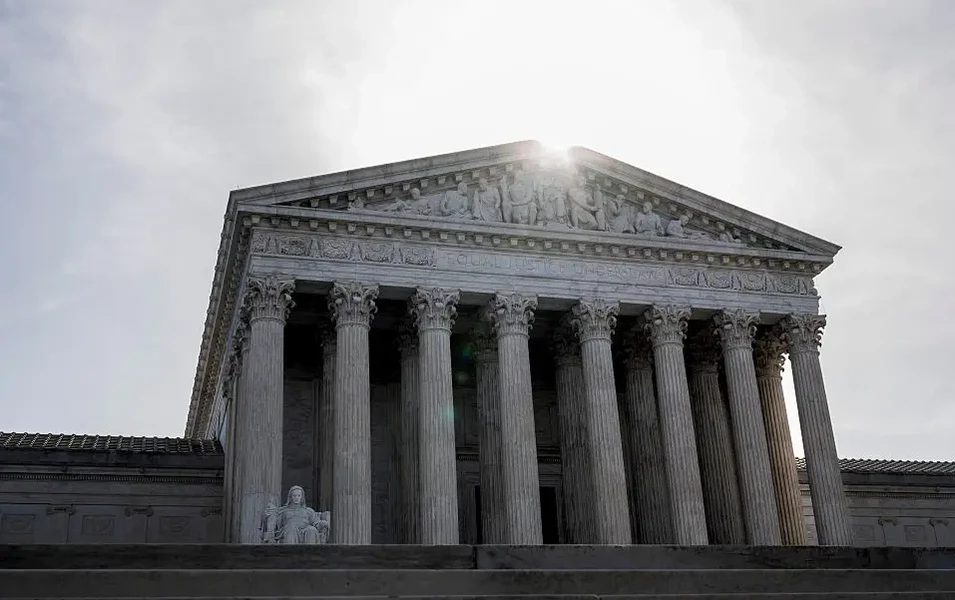
“The Government of the United States has broad, undoubted power over the subject of immigration and the status of aliens,” Justice Anthony Kennedy wrote in the 2012 decision “Arizona v. United States,” a case that knocked down key parts of Arizona’s SB 1070.
That quote is why so many state-first immigration pushes end up in the same place. A judge, often quickly, asks whether the state is regulating immigration in practice, even if the state insists it is just enforcing local crime or protecting public safety.
States’ New Playbook Is Lawsuits, Not Badges
When states cannot directly enforce immigration law, they often try a different lever: forcing the federal government’s hand through litigation. The pitch is that federal policies, or federal non-enforcement, impose costs on states, and the courts should order a different approach.
However, the Supreme Court has also signaled limits on that strategy. In “United States v. Texas” in 2023, the Court ruled that Texas and Louisiana lacked standing to challenge federal immigration enforcement guidelines, a big warning sign for states trying to turn policy disagreements into court orders.
The Stakes Are Cash, Control, and Blame
This is not just a legal seminar. Immigration fights decide who pays for detention, transport, shelters, health care, and policing, and they decide which officials get credit when crossings drop or blame when cities feel overwhelmed. In election years, those incentives harden fast.
What to watch next is less about a single state law and more about the next test case that tries to thread the needle: a state arguing it is not “regulating immigration” while building an enforcement machine that looks a lot like one. The Court’s past language is clear, but states keep betting that this time the facts and the politics will be different.