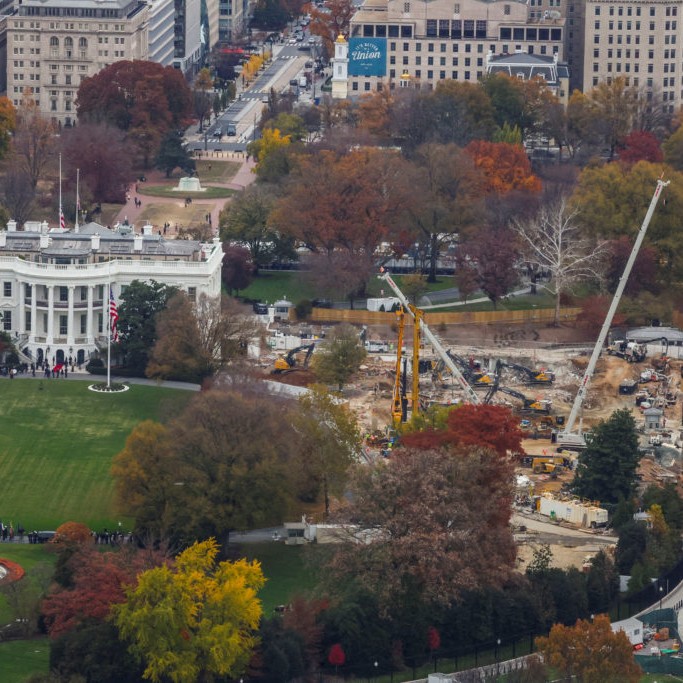


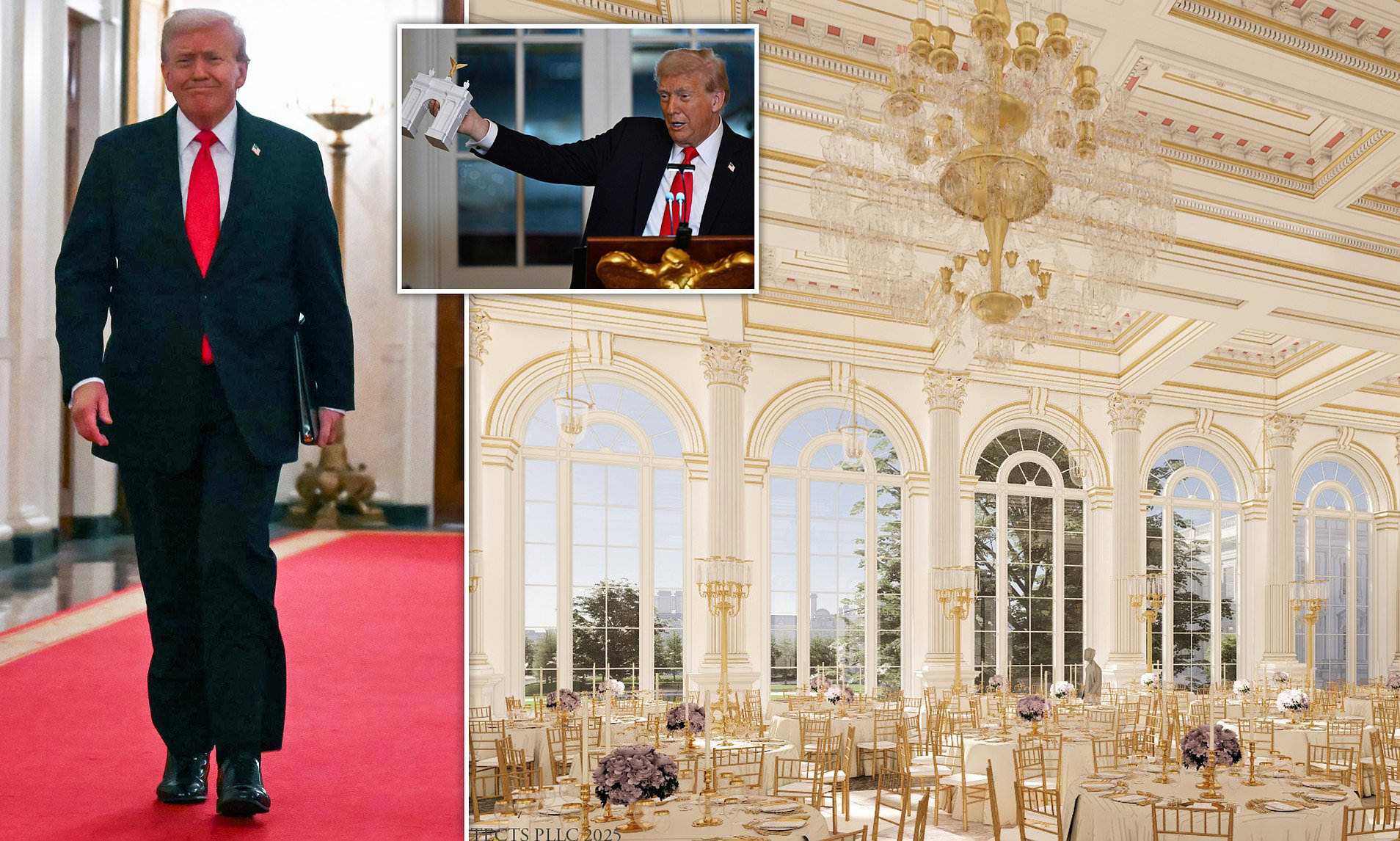
The White House is not a hotel, a club, or a licensing deal, but a proposed ballroom addition is forcing Washington to argue about it like one.
What You Should Know
Donald Trump has discussed plans for a White House ballroom, and the idea is drawing scrutiny over cost, preservation, and ethics. Any major change to the complex would face layers of review and would collide with Trump’s long-running interest in gilded, brand-forward spaces.
The Hill reported on the renewed attention around a potential ballroom project, a concept Trump has floated in various forms for years. The immediate tension is simple: the White House is a national symbol and a federally managed historic site, but the pitch carries the instincts of a private developer.
The Project Is Real Estate Logic in a Government Building
A ballroom is not a neutral upgrade. It changes how events are staged, who can be hosted, how donors are cultivated, and which people get proximity to power in the most photogenic rooms in American politics.
Trump has built his public identity around spectacle venues that signal wealth and control, and critics see a ballroom proposal as part of the same playbook aimed at public property. At a January 11th, 2017, news conference, Trump brushed aside conflict questions with a line that still hangs over any mixing of office and personal style: “I have no conflicts of interest, because I’m president.”
The Paperwork Problem
Even if the money came from private donations, the process would not be private. The White House is a National Historic Landmark, and the National Park Service notes that the building and its grounds lie within a tightly protected historic footprint, where changes trigger preservation considerations.
That is where the scrutiny gets concrete. Who designs it, who builds it, who supplies it, and who gets the contracts are not side questions. They are the whole fight, because procurement and donor influence are where politics turns into a paper trail.
The Politics of a Ballroom
Supporters can frame a ballroom as a practical fix for crowded state events, tents, and weather-dependent logistics. Opponents can frame it as a taxpayer-adjacent monument to one leader’s taste, especially if the concept is marketed as a signature Trump-style space.
The stakes are not just aesthetic. A grand new venue could reshape how receptions, coalitions, and donor networks are managed, and it would hand any administration a fresh stage for both diplomacy and domestic theater. The question Washington keeps circling is whether the ballroom would serve the office or the man.
What to watch next is the boring part that decides everything: formal proposals, preservation reviews, and clear answers about funding and contractors. Until those details exist in writing, the ballroom will live in the space where Trump’s promises, Washington’s rules, and the White House’s history collide.