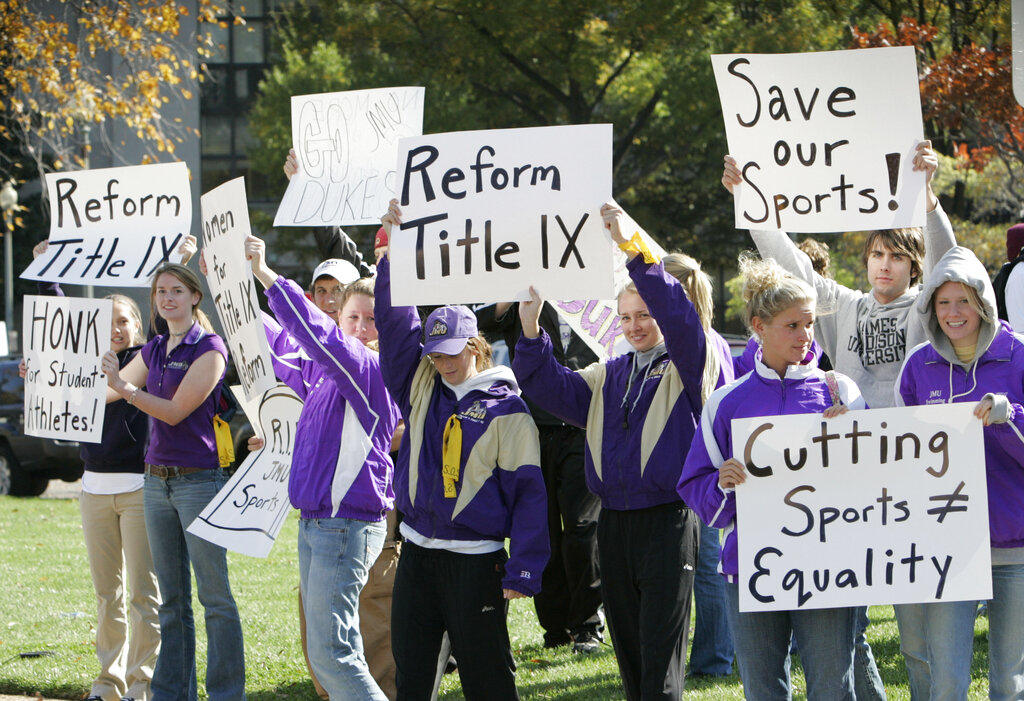
Minnesota is not rewriting Title IX, but it is helping expose how much of the law now runs on interpretation, not ink. The Justice Department is leaning into a broader reading of sex discrimination, and school sports are where that theory meets its hardest, most public stress test.
What You Should Know
Title IX is a federal law barring sex discrimination in federally funded education. Federal agencies and courts have been debating how that applies to transgender students, and athletics has become one of the most contested battlegrounds.
Minnesota sits in an awkward spotlight because the state is already used as an example by both sides: either as a model for inclusion or as a cautionary tale about competitive fairness, depending on who is talking.
Why Minnesota Became the Test Case
The power move here is federal. When DOJ signals how it reads Title IX, it is not just commenting on a social dispute. It is shaping the threat landscape for schools that rely on federal funding and want to avoid investigations, lawsuits, or compliance headaches.
But Title IX itself is sparse. The statute prohibits discrimination “on the basis of sex” in education programs or activities that receive federal financial assistance. It does not spell out how to handle gender identity, and it does not map out modern sports eligibility fights.
That gap leaves a familiar American setup: agencies argue they have authority to fill in the blanks, critics argue the agencies are legislating by regulation, and schools are stuck deciding which courtroom future they can afford.
The Rule Change That Left Sports in Limbo
The Biden administration’s 2024 Title IX final rule, published in the Federal Register, expanded the department’s interpretation of sex discrimination to include sexual orientation and gender identity. However, the rule also made clear that athletics eligibility was not being finalized in that package.
That is the contradiction Minnesota, and everyone else is living with. Washington is telling schools to treat gender identity discrimination as a Title IX issue, while the most combustible, high-visibility arena for that debate remains governed by a patchwork of state rules, school policies, and litigation.
The Court Quote Everyone Keeps Carrying Into the Fight
DOJ and its allies keep pointing to the Supreme Court’s 2020 decision in “Bostock v. Clayton County,” even though it was an employment case under Title VII, not a school sports case under Title IX. The court’s core line has become a traveling argument: “An employer who fires an individual merely for being gay or transgender defies the law.”
Opponents counter that sports involve categories built around biology, safety, and competition, and that Congress never wrote a transgender sports rule into Title IX. Supporters argue the point of civil rights law is to stop institutions from turning identity into exclusion, even when the politics get loud.
What happens next is less about Minnesota’s rhetoric and more about enforcement and precedent. Watch for whether agencies push athletics guidance, whether courts treat Title IX like Title VII on gender identity, and whether schools keep making policy based on compliance risk rather than consensus.