

Spain just drew a hard line that NATO partners usually avoid: If U.S. aircraft are tied to the Iran war, they do not fly through Spanish skies.
What You Should Know
Spain says it has closed its airspace to U.S. planes involved in the Iran war, after previously saying the U.S. could not use jointly operated bases in Spain for that conflict. NATO declined to comment, pointing questions to national authorities.
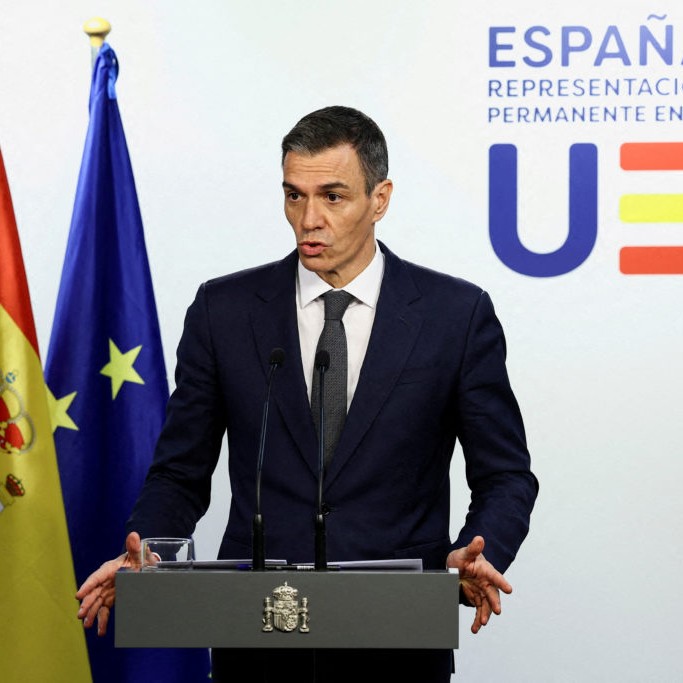
The decision, announced by Defense Minister Margarita Robles, puts Spain’s Prime Minister Pedro Sanchez in direct friction with the Trump administration at a moment when allied cooperation is supposed to look automatic, not conditional.
Spain’s Red Line Is Not Just About the Bases
According to The Associated Press, Spain had already said the U.S. could not use the Rota and Moron military bases in southern Spain in connection with the Iran war. Robles said the same policy applies to overflights.
Robles made the message explicit and public: “This was made perfectly clear to the American military and forces from the very beginning. Therefore, neither the bases are authorized, nor, of course, is the use of Spanish airspace authorized for any actions related to the war in Iran,” she told reporters.
Sanchez has described the conflict in moral and legal terms, calling it illegal, reckless, and unjust, and urging the U.S., Israel, and Iran to end the war. That framing matters because it turns routine logistics into a legitimacy fight, and it dares Washington to respond.
Trump’s Trade Threat Turns a Military Dispute Into a Wallet Issue
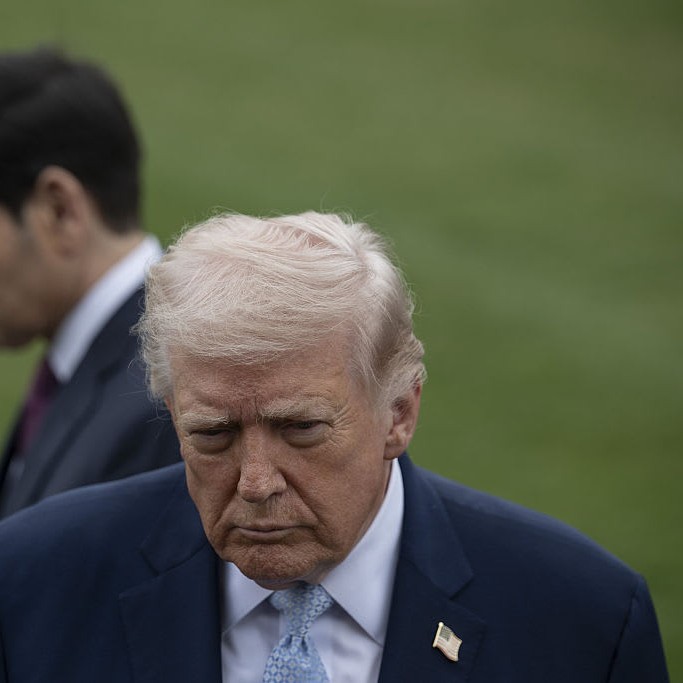
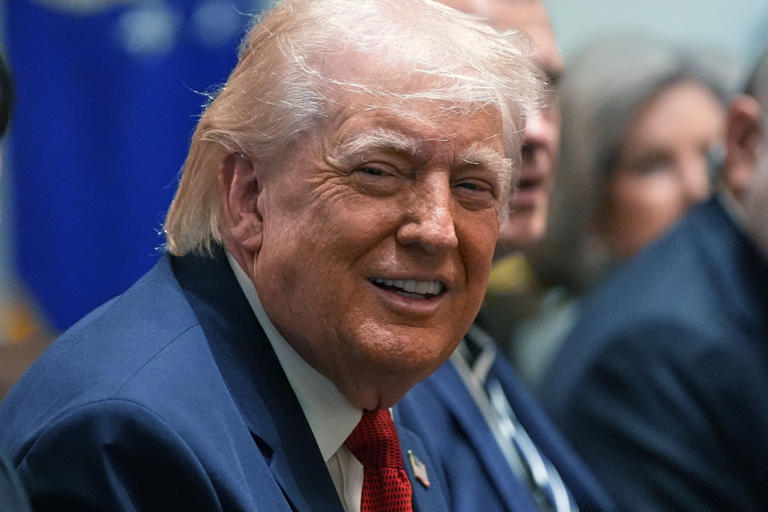
After Spain denied U.S. use of the bases, U.S. President Donald Trump threatened to cut trade with Madrid, The Associated Press reported. That is a familiar lever in Trump’s toolbox: convert alliance disputes into economic pressure that plays well domestically.
Spain has also resisted matching higher defense-spending levels that other NATO members agreed to under U.S. pressure, arguing it can meet commitments at 2.1% of GDP instead of 5%, according to The Associated Press. Put together, Madrid is signaling it wants NATO protection without being conscripted into every U.S. operation or every U.S. spending benchmark.
NATO Stays Quiet, but the Precedent Is Messy
NATO did not comment on Spain’s move, referring questions back to national authorities, The Associated Press said. That silence is its own strategy, because once the alliance starts taking sides on airspace permissions, it risks turning a military bloc into a public argument over who owes what to whom.
Still, Spain is not inventing the idea. The Associated Press noted earlier ruptures, including limits placed on U.S. operations in the 1980s, and Turkey’s refusal to allow U.S. troops to use its territory for the 2003 Iraq invasion. The next test is practical, not rhetorical: whether Washington reroutes, retaliates, or tries to force a climbdown.