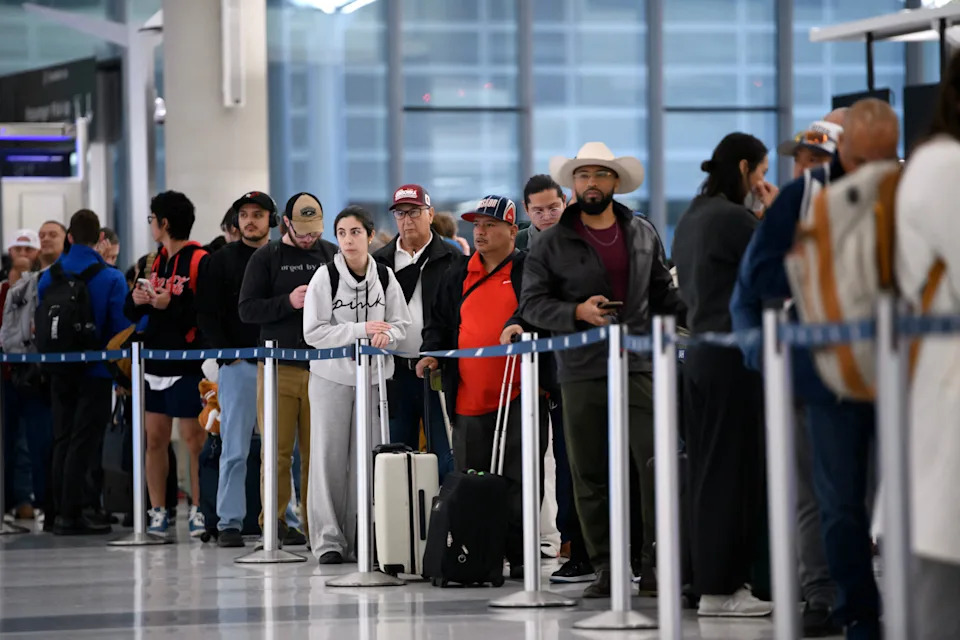
The shutdown fight is not happening on C-SPAN. It is happening at the checkpoint, where every extra minute in line turns a budget standoff into a public pressure test.
What You Should Know
A U.S. government shutdown tied to Department of Homeland Security funding has left TSA officers working without pay. As missed paychecks stack up, airports have reported longer security lines, raising operational and political pressure to reopen the government.
CBS News framed it bluntly: “Airport TSA lines are growing as workers begin to miss paychecks due to the government shutdown surrounding funding for the Department of Homeland Security.” That is the core tension. The system is designed to run, even when the money stops.
The Paycheck Squeeze Meets the Security Mission
TSA officers are typically considered essential for keeping aviation security moving, which means the screening does not simply pause when appropriations do. However, a shutdown does pause pay, and that is where the math gets ugly fast for a workforce with bills that do not wait.
Congress has tried to box in that pain before. According to Congress.gov, the Government Employee Fair Treatment Act of 2019 guaranteed back pay for federal employees affected by a shutdown. It was a fix for the aftershock, not the upfront problem of asking workers to keep showing up while the political class negotiates.
The predictable consequence is attendance strain, which then becomes line strain. Reuters reported that during the 2018-2019 shutdown, TSA workers called in sick as the shutdown dragged on, and airports warned of delays. Even modest absenteeism can ripple through checkpoints because screening is labor-heavy and timing-sensitive.
Publicly, leaders in Washington often argue that critical services remain intact. The contradiction is that what is intact on paper can still be degraded in practice. The checkpoint does not need to collapse to become a warning sign; it just needs to slow down enough for travelers, airlines, and local officials to start demanding answers.
Why the Checkpoint Becomes a Negotiating Tool
This is where the power dynamics get sharp. A shutdown over DHS funding is not an abstract spreadsheet fight. It lands on a workforce that cannot legally strike in the usual way and on travelers who did not vote on the funding plan but still pay the time tax.
That time, taxes can bend the politics. Long TSA lines show up in local news, airport press conferences, and constituent calls. Meanwhile, neither party wants ownership of the headline that security faltered, even if the underlying issue is staffing and pay, not a change in threat level.
What to watch next is not just whether lawmakers cut a deal, but how quickly operations normalize if they do. Back pay can make workers whole financially, but it does not undo missed rent deadlines, tapped-out savings, or the simple fact that a shutdown turns airport throughput into a scoreboard.