

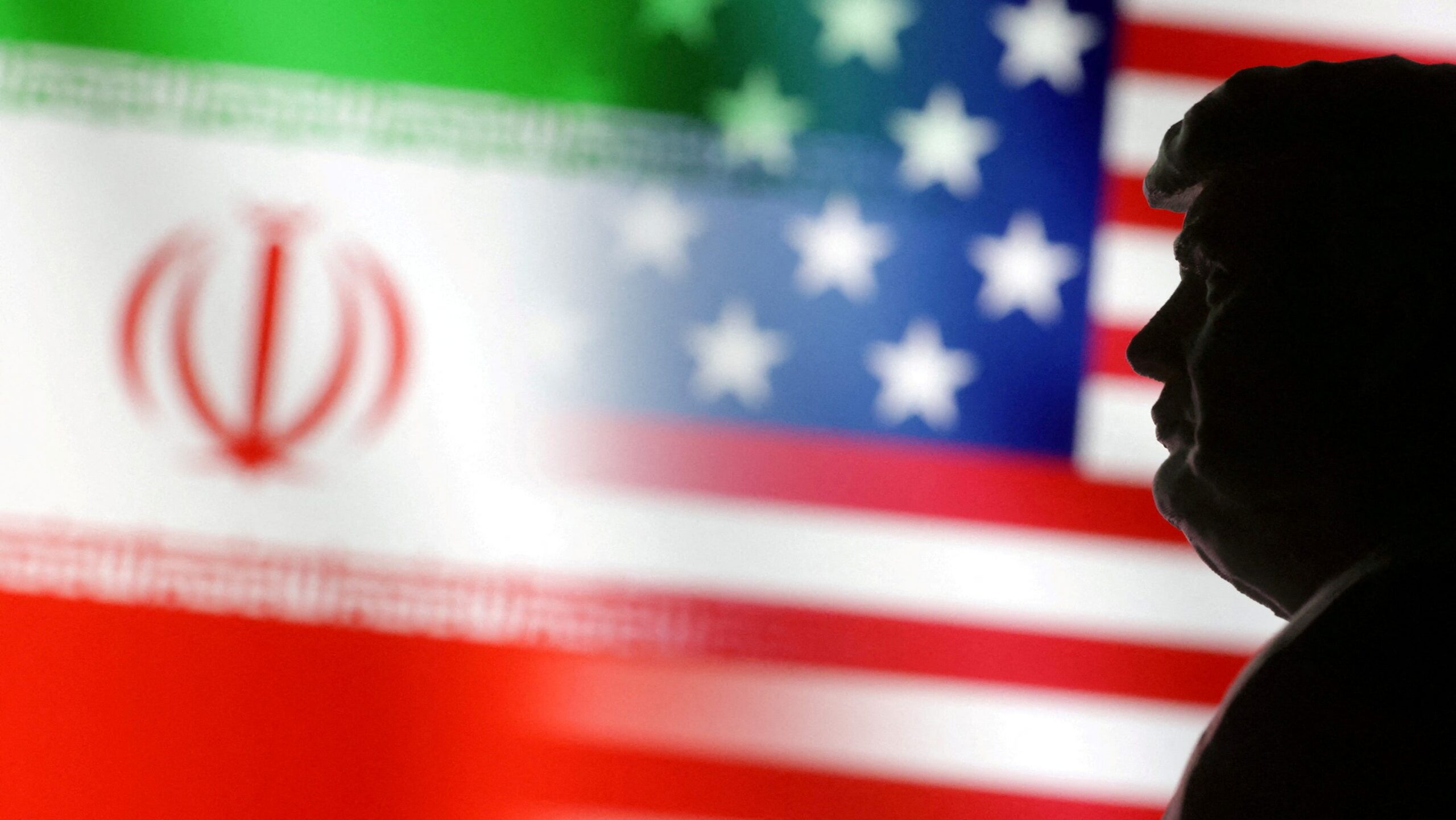
Two sides are describing the same moment in the Middle East in totally different terms, and the gap is doing real work for both of them.
What You Should Know
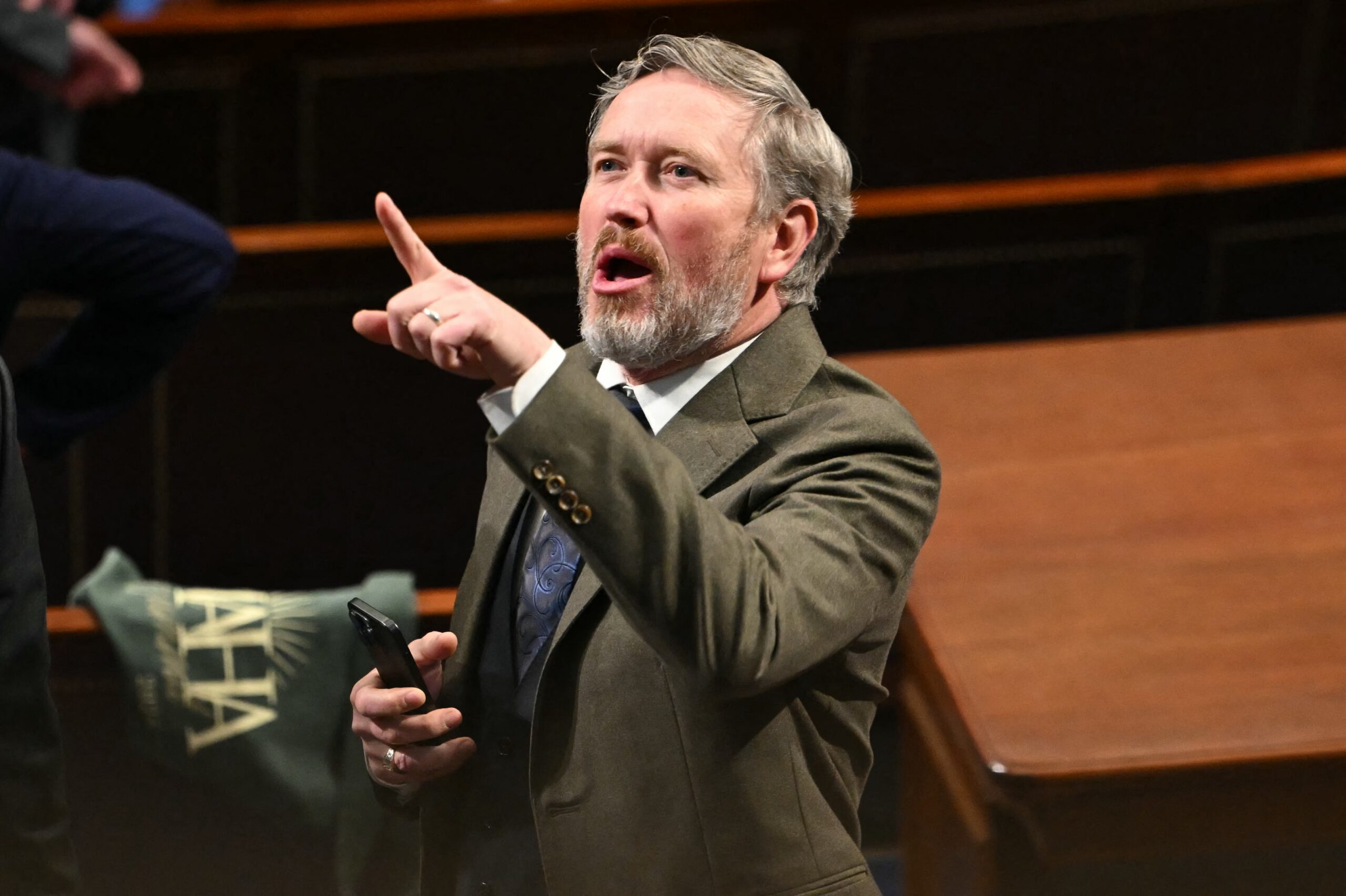
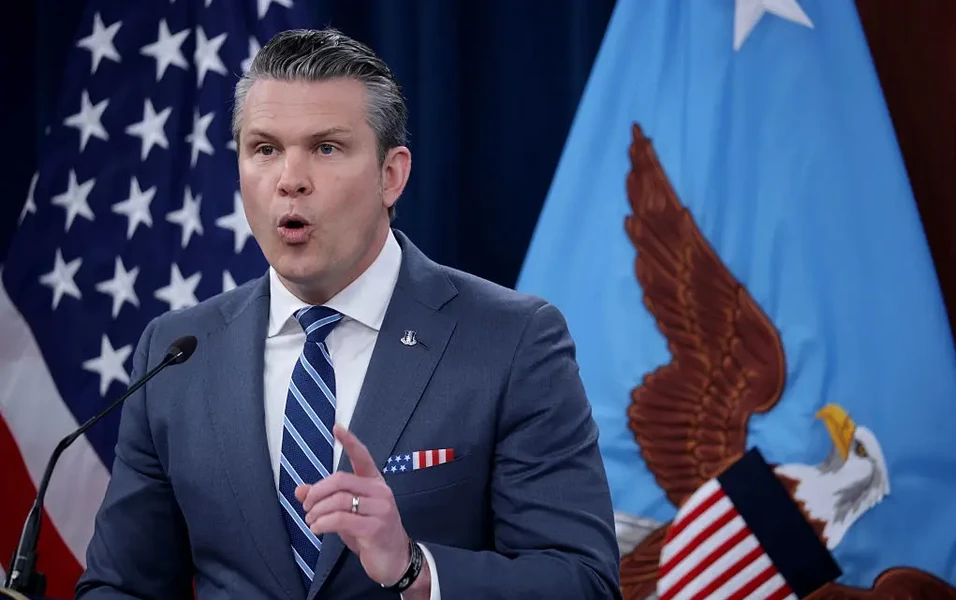
CBS News reported that Iranian Foreign Minister Abbas Araghchi said Tehran has not asked for a ceasefire or negotiations. The comment directly contradicts President Trump’s claim that Iran is seeking a deal to end the fighting.
The clash is less about a single sentence and more about who gets to define reality while missiles fly, allies panic, and domestic audiences listen for weakness.
Trump’s Claim vs. Tehran’s Denial
In the CBS News segment, Araghchi is presented as pushing back on Trump’s framing that Iran is trying to cut a deal. The core rebuttal, per CBS, is blunt: “hasn’t asked for a ceasefire or negotiations.”
That matters because ceasefire language is not just diplomacy-speak. It is an admission, a signal, and sometimes a bargaining chip, especially when one side wants to look unbowed, and the other wants to look in control.
The contradiction also creates a convenient fog. If the U.S. president says Iran wants talks, it can read as pressure on Tehran to show up, or as reassurance to jittery partners that escalation has an off-ramp. If Tehran denies it, Iran avoids looking like it came to the table under fire.
Why the Words Matter
Messaging like this can move policy faster than policy moves messaging. Diplomats, militaries, and markets react to whether the story is “de-escalation is imminent” or “no one is backing down,” even when the underlying contacts are private, indirect, or unresolved.
It also sets up a credibility test. If back-channel conversations exist, Tehran can still publicly deny it asked for them. If no talks exist, Trump’s claim starts to look like a bet that repeating the idea of negotiations can help produce them, or help sell a strategy at home.
Reuters and The Associated Press have both documented, across multiple Middle East crises, how governments often talk tough publicly while exploring options privately, sometimes through intermediaries. The public posture is part of the leverage, not a footnote to it.
What to Watch Next
Watch for three tells: whether U.S. officials describe any contacts as direct or indirect, whether Iran ties any future talks to conditions like sanctions relief or security guarantees, and whether regional players start echoing one narrative more than the other.
For now, Trump’s claim and Araghchi’s denial are competing bids for control of the storyline, and whichever version sticks could shape what each side thinks it can demand next.