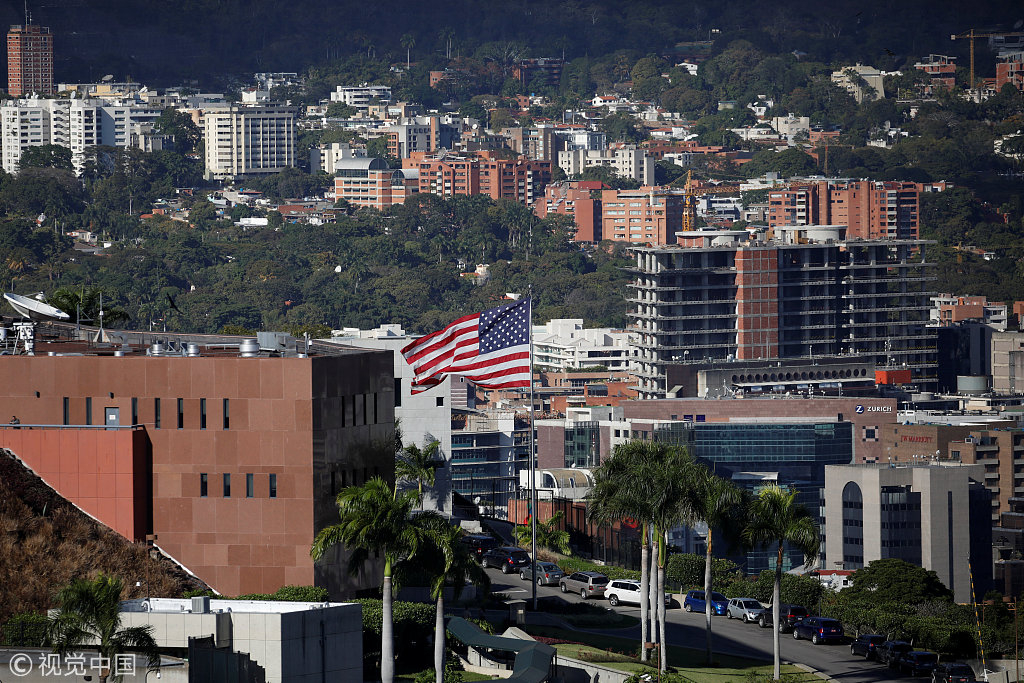
The U.S. flag is back on the pole in Caracas. The question is whether the power behind it is back in the building, too.
What You Should Know
The U.S. flag was raised at the U.S. Embassy in Venezuela on March 14th, 2026, for the first time since 2019. The embassy building is being renovated, and officials have not said when full operations will resume.
The moment, reported by The Associated Press and published by PBS News, lands after a dramatic reset in U.S.-Venezuela relations following the January capture of then-President Nicolas Maduro by American troops and Washington’s public courting of his successor, acting President Delcy Rodriguez.
A Flagpole Moment, a Locked Front Door
On paper, raising a flag is simple. In practice, it is a diplomatic signal that can be read as recognition, leverage, or both.
Even as the flag went up, the embassy itself did not snap back to life. PBS reported that the building is undergoing renovations, and it remains unclear when it will fully reopen, leaving a gap between the symbolism and the day-to-day reality of diplomacy.
The embassy team put its own timestamp on the optics, saying the flag was raised “exactly seven years after it was taken down.” That line is tidy. The situation around it is not, because a raised flag does not automatically mean restored services, expanded staffing, or a stable political runway in Caracas.
For Venezuelans watching from the street, the gesture read as a possible reopening of doors that have been closed for years. One Caracas resident, Luz Veronica Lopez, told AP, “It’s a good thing, really, what a joy,” adding that other countries should come back for “progress.”
Trump Blesses Caracas’ New Boss, and Critics Notice
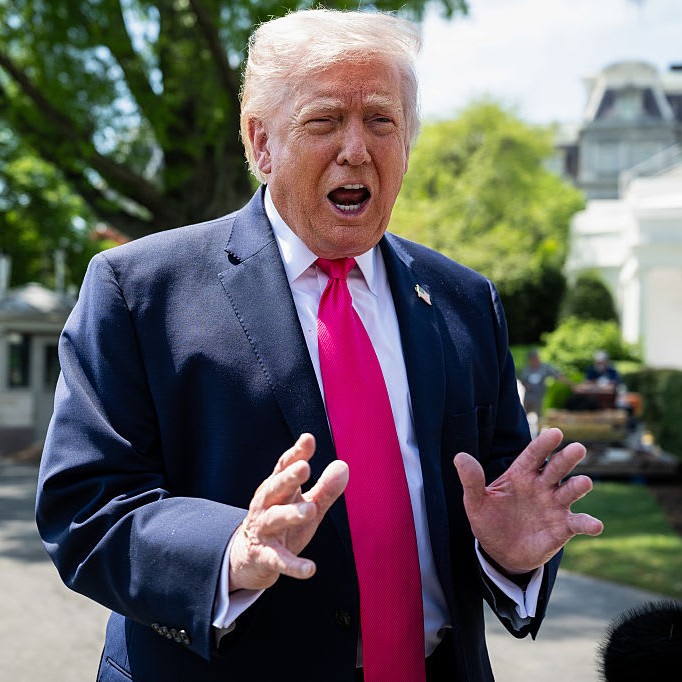
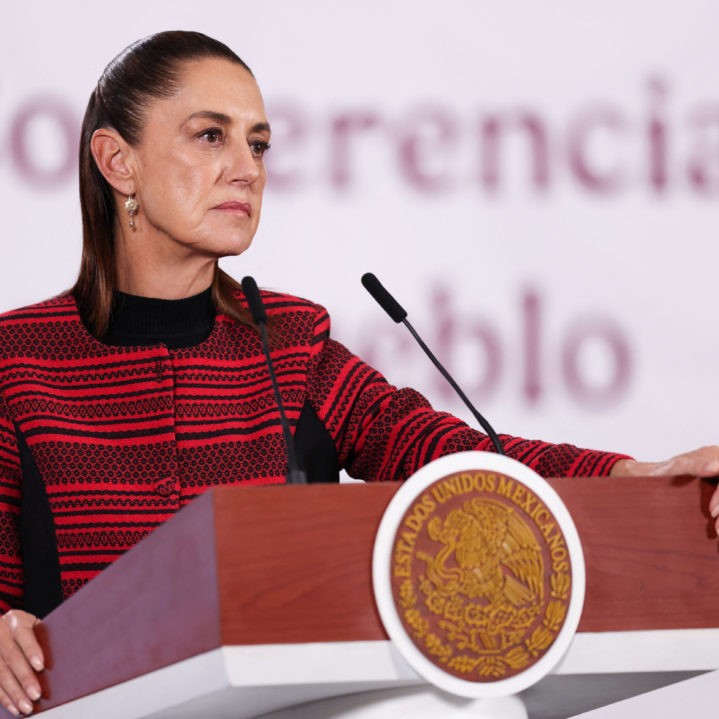
The flag-raising also follows multiple statements from President Donald Trump supporting Rodriguez, according to PBS. For Rodriguez, the upside is obvious: the U.S. flag can look like a stamp of momentum for a government trying to keep negotiations alive.
For Trump, the flag is the kind of clean image that can be sold as strength after the messy part, a forced removal, and a jailed ex-leader. AP reported Maduro was jailed in New York along with his wife, a detail that underscores how personal the stakes have become for the ousted leadership and how much control Washington is willing to exert.
The Real Test Is What Reopens Next
There is a harder question behind the ceremony: what, exactly, gets traded for a functional diplomatic presence? AP reported that large parts of Venezuelan society and the political establishment remain critical of Trump’s actions and of growing U.S. influence in Venezuela’s oil industry, a pressure point that can turn any handshake into a fight.
For now, the flag is up, the scaffolding remains implied, and both governments can claim a step forward without committing to a clear finish line. The next tell will not be the pole. It will be the paperwork, the staffing, and the first real test of whether negotiations survive the politics on both sides.