

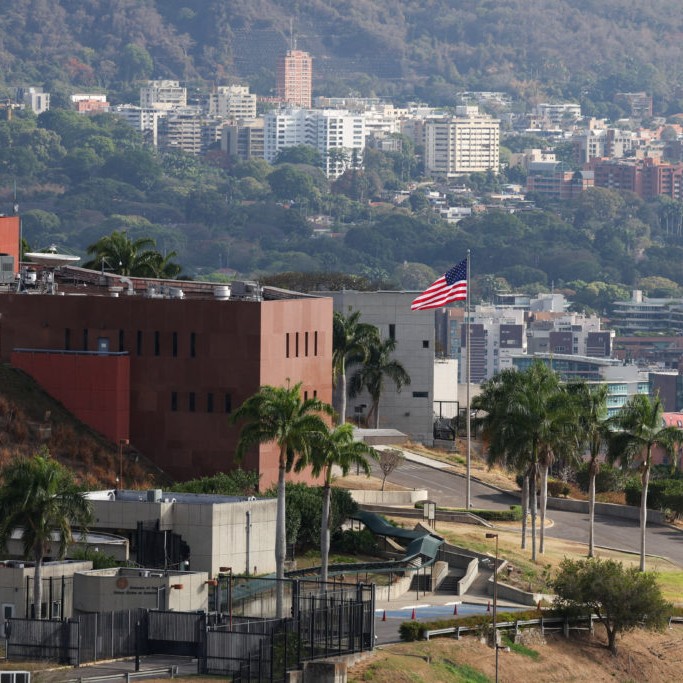
The US flag is back over the embassy compound in Caracas, and the timing is not subtle. The real question is what the flag signals, and what Washington and Venezuela are actually ready to do next.
What You Should Know
On March 14th, 2026, the US raised the American flag at its embassy in Venezuela for the first time since 2019. The embassy building is being renovated, and officials have not said when normal operations will fully resume.
The moment lands after a dramatic reset in US-Venezuela relations, including the reported January capture of then-President Nicolas Maduro by American troops and the rise of acting President Delcy Rodriguez, according to an Associated Press report carried by PBS NewsHour.
The Symbol vs The Building
The flag went up exactly seven years after it came down, the US embassy team said in a statement, a neat anniversary that reads like a message as much as a milestone. Locals noticed immediately, and one Caracas resident summed up the street-level mood: “It’s a good thing, really, what a joy.”
However, the physical reality is less cinematic. The embassy building is undergoing renovations, and the AP report said it was unclear when the facility would fully reopen, a detail that matters for visas, consular help, and the day-to-day signals of normal diplomacy.
Trump, Rodriguez, and the Negotiation Squeeze
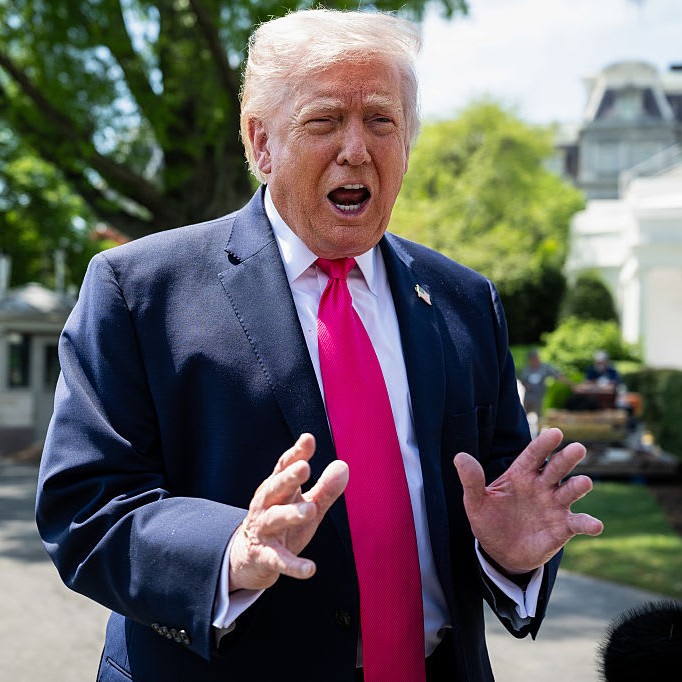
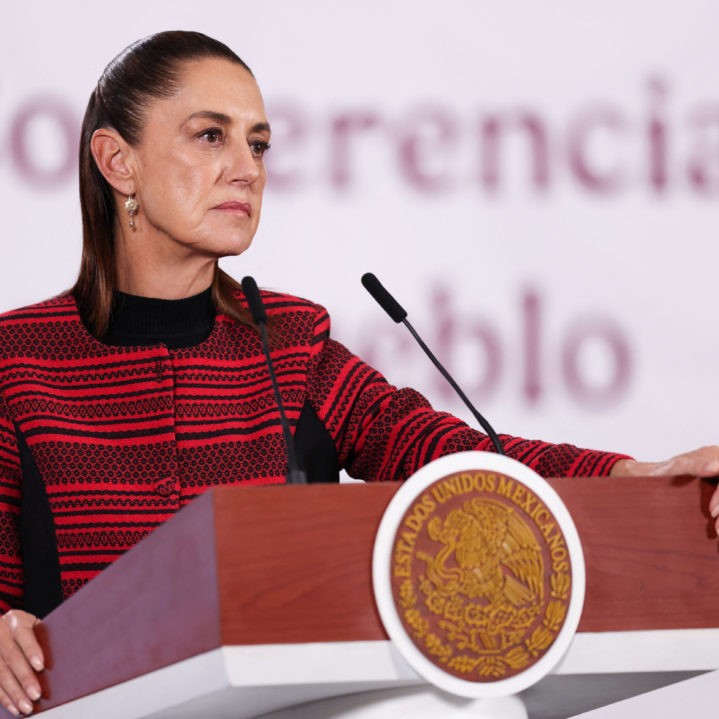
The flag-raising comes after multiple public statements by President Donald Trump backing Rodriguez, who the AP described as trying to keep negotiations open with Washington. In the same breath, the reset also puts US leverage on display, because Caracas is now negotiating under a government formed in the wake of Maduro’s ouster.
That leverage has an obvious pressure point: oil. The AP report noted growing US influence in Venezuela’s oil industry, which is precisely the kind of involvement that can look like investment to one audience and control to another, depending on who is cashing the checks and writing the rules.
Meanwhile, resistance has not evaporated just because a flag is flying. The AP report said large parts of Venezuelan society and the political establishment remain critical of Trump, the use of force to remove Maduro, and the decision to jail Maduro in New York alongside his wife.
What Happens Next, and Who Gets to Call It Normal
Whether this turns into a functioning embassy or stays a high-profile symbol likely depends on staffing, security, and what each side is willing to trade in formal talks. A US Department of State background page on bilateral relations underscores how long and how sanction-heavy the modern relationship has been, which makes any visible thaw politically expensive on both sides.
For now, Caracas has a flag, Washington has a headline, and both governments have a negotiating table with cameras pointed at it. The renovation timeline may be the least interesting clock in this story.