Iran has spent weeks saying it is aiming at U.S. assets, not its Arab Gulf neighbors. Then it told people to leave the Middle East’s busiest port.
What You Should Know
Iran urged evacuations around three UAE ports and alleged the U.S. launched strikes on Iranian targets from Emirati locations, without offering evidence. U.S. Central Command gave no immediate response as shipping, oil infrastructure, and regional bases became pressure points.
The warning landed as the war involving Iran, the U.S., and Israel pushed into a third week, with the United Arab Emirates stuck in the uncomfortable role of host, hub, and potential target, according to reporting from The Associated Press published by PBS NewsHour.
Iran Names Ports, and the UAE Reaches for Restraint
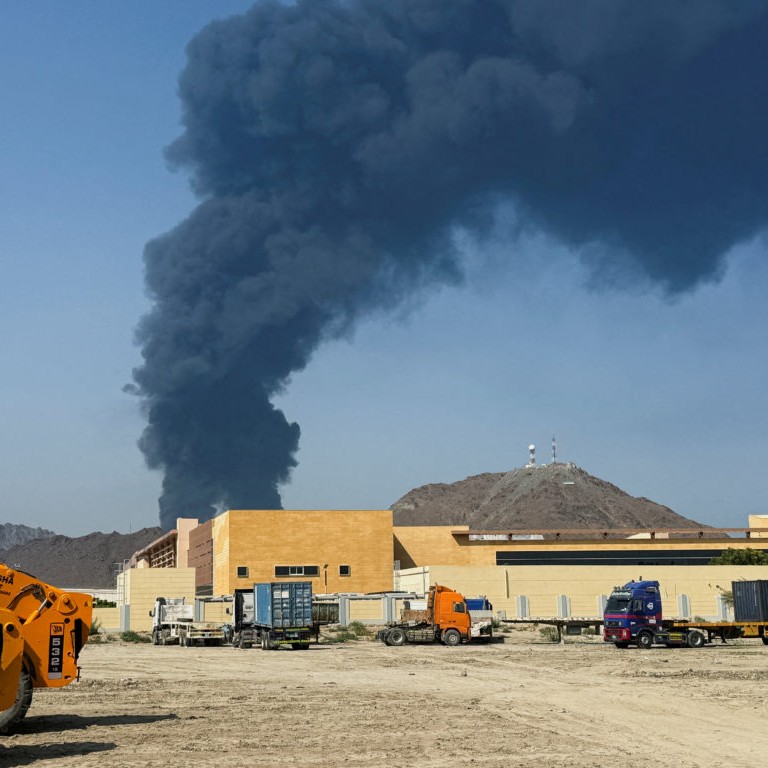
Tehran urged evacuations around Dubai’s Jebel Ali port, Abu Dhabi’s Khalifa port, and the port area of Fujairah. Hours later, there was no sign that Jebel Ali or Khalifa had been hit, but debris from an intercepted Iranian drone sparked a fire at an oil facility in Fujairah, the AP reported.
Iran also claimed the U.S. used Emirati “ports, docks and hideouts” to launch strikes on Kharg Island, a key node for Iran’s oil exports, and urged people to leave areas where it said U.S. forces were sheltering. Iran did not provide evidence, and U.S. Central Command said it had no response to the claim.
Abbas Araghchi, Iran’s foreign minister, told MS NOW the alleged launches came from Ras Al-Khaimah and a place “very close to Dubai.” In a separate public response, Anwar Gargash, a diplomatic adviser to the UAE’s president, said the country has the right to defend itself but “still prioritizes reason and logic, and continues exercising restraint.”
Trump Talks Hormuz, Tehran Talks Retaliation
The strategic subtext is oil. President Donald Trump said the U.S. “obliterated” military sites on Kharg Island and warned oil infrastructure could be next if Iran keeps interfering with shipping through the Strait of Hormuz, where a significant share of global oil typically transits.
Iran’s joint military command reiterated threats against U.S.-linked “oil, economic and energy infrastructures” in the region if Iran’s oil infrastructure is hit. Iranian outlets, including the semiofficial Fars news agency, claimed the Kharg strikes caused no damage to oil infrastructure, while the U.S. military described targets that included naval mine storage and missile storage sites.
The Next Flashpoints to Watch
Even outside the Gulf, the map is crowded with tripwires. A missile struck a helipad inside the U.S. Embassy compound in Baghdad, the AP reported, and the U.S. State Department warned U.S. citizens in Iraq to leave by land because commercial flights were not available.
Meanwhile, a U.S. official said 2,500 more Marines with the 31st Marine Expeditionary Unit and the amphibious assault ship USS Tripoli were being sent to the Middle East, adding to a buildup of ships and aircraft in the region. If Iran keeps tying its threats to ports and energy infrastructure, the UAE and other Gulf states may find that staying “not involved” is harder to sell when the war is naming addresses.
References
- PBS NewsHour: Tehran Claims the U.S. Attacked it From the UAE as Iran War Enters Its Third Week
- PBS NewsHour: Iran’s Supreme Leader Says Closure of Strait of Hormuz Should Be Used as Leverage
- PBS NewsHour: Iraq Is Caught in the Crossfire of the Iran War, With Attacks by Both Sides on Its Soil
- PBS NewsHour: Iran’s New Supreme Leader Vows Continued Retaliation Across Gulf and Oil Routes