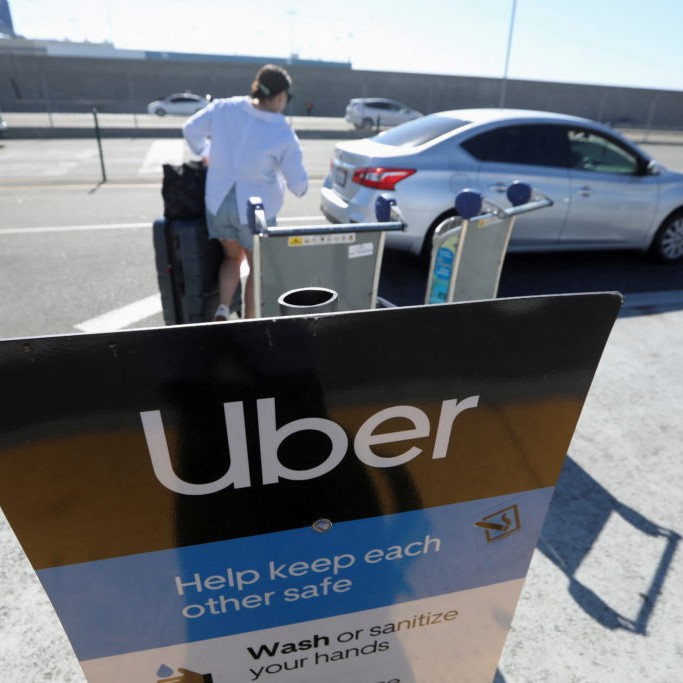
Uber is selling a new nationwide feature as a safety upgrade. In the California court, it is being framed as a pipeline that reroutes money and opportunity based on sex, and the timing is not subtle.
What You Should Know
Uber expanded a women-matching option nationwide in the U.S. that lets women riders and drivers request trips with other women. The rollout comes as male drivers sue in California, arguing the policy violates the Unruh Civil Rights Act.
The feature shows up in the app as options that let women riders request a woman driver, reserve in advance, or set a preference that increases the odds of a match without guaranteeing it. Women drivers can also prefer women riders and toggle the setting on or off.
The Safety Pitch Meets the Unruh Act
Uber piloted the program in cities including San Francisco, Los Angeles, and Detroit, then expanded it to more markets before taking it nationwide, according to reporting published by PBS NewsHour. The company has also offered similar options in dozens of countries, after launching a version in Saudi Arabia in 2019.
Now the courtroom fight. Two California drivers filed a proposed class-action lawsuit arguing the women-preference system discriminates against men under the Unruh Act, which bars certain kinds of business discrimination. Their theory is straightforward: women drivers can access the full passenger pool, while men compete for a smaller one, and the policy, they argue, bakes in a stereotype that men are inherently more dangerous.
Uber has pushed back with procedure and principle, asking a judge to send the dispute to arbitration based on the driver agreement. In that filing, Uber framed the feature as a safety-driven accommodation, writing, “This feature is a common sense solution to a long-standing request from both women Drivers and Riders who told Uber they would feel more comfortable and safer if they could choose to ride with another woman.”
A Business Built on Contractors and Liability Arguments
The legal stakes go beyond one setting in the app. Uber has long argued that because drivers are independent contractors, the company should not be liable for drivers’ misconduct, even as it has faced years of criticism and litigation tied to rider and driver safety.
Uber has pointed to steps like cross-platform coordination with Lyft on a database of drivers removed for serious complaints. It also says sexual assault reports have declined over time, citing figures that include 5,981 reports in 2017 and 2018 versus 2,717 in 2021 and 2022, which Uber says was a tiny fraction of total trips. Those figures describe reports, not findings, but they sit at the center of the company narrative: risk is real, and the platform is trying to manage it.
Lyft is part of the backdrop because it is facing its own legal challenge over a similar matching option, creating an industry-wide test of how far platforms can go in offering identity-based preferences before courts treat them as unlawful discrimination. In other words, Uber is not just defending one feature. It is defending a model of how ride-hailing companies sell safety without taking on the full obligations of an employer.
What happens next likely turns on whether the California case gets forced into arbitration and whether courts accept Uber’s argument that the safety rationale is strong enough to survive a civil-rights challenge. Meanwhile, the nationwide rollout keeps moving, and so will the questions about who gets priority, who waits longer, and who pays for it.