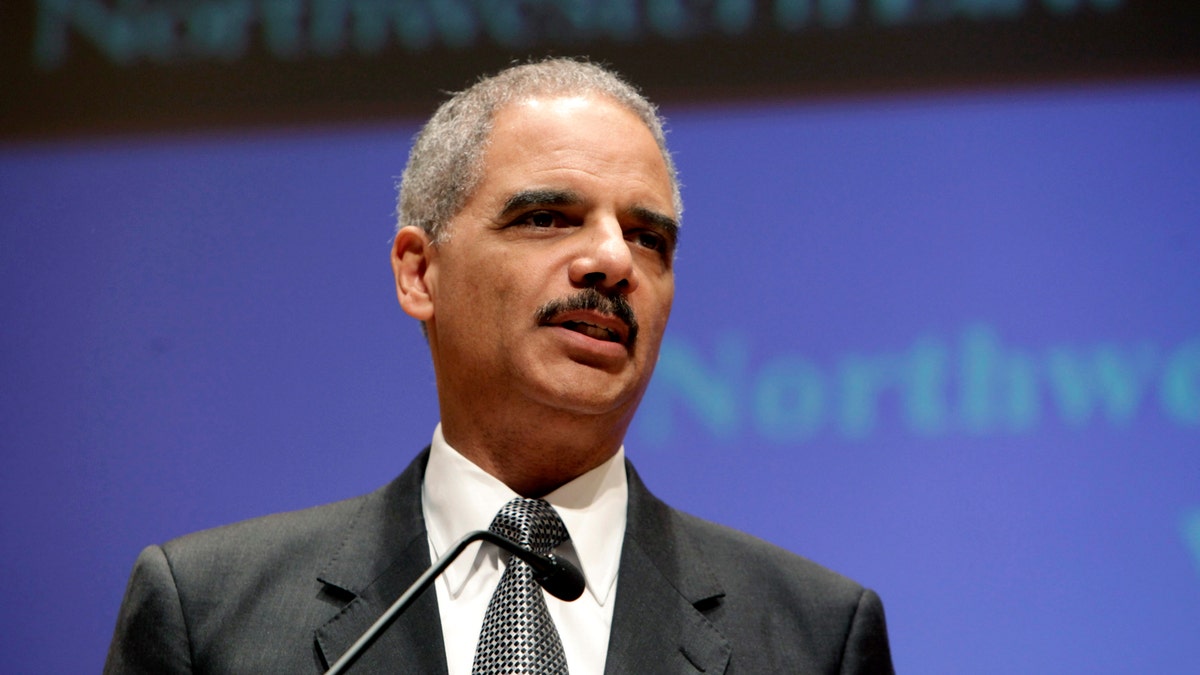
Eric Holder is selling a state-level ballot question as if it were a national emergency, and the subtext is familiar: when control of the House is on the line, even anti-gerrymandering rhetoric comes with asterisks.
What You Should Know
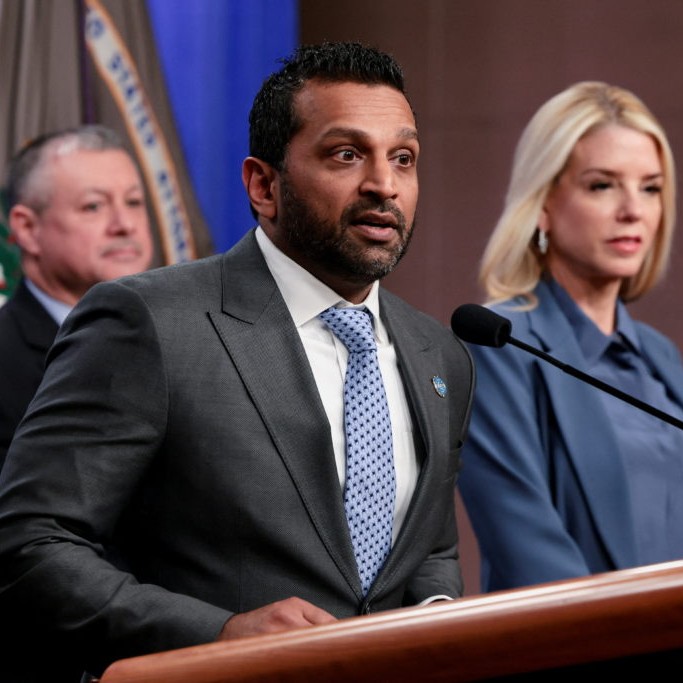
In a CBS News interview on “Face the Nation,” former Attorney General Eric Holder said a Virginia redistricting referendum is a “national fight.” The segment framed the stakes as potentially massive for congressional seats, depending on how maps are drawn.
Holder, now a leading Democratic figure in redistricting battles, stepped into Virginia politics with a message that travels well beyond Richmond: what happens with one state map can ripple into national power.
Holder’s Warning, and the Map’s Temptation
According to CBS News, Holder argued Democrats cannot treat redistricting as a good-government seminar while Republicans fight it like a street-level power contest. His phrasing was blunt, and it was built to justify hardball.
“[Democrats] have to deal with this crisis that is in front of us that Republicans put before the nation.”
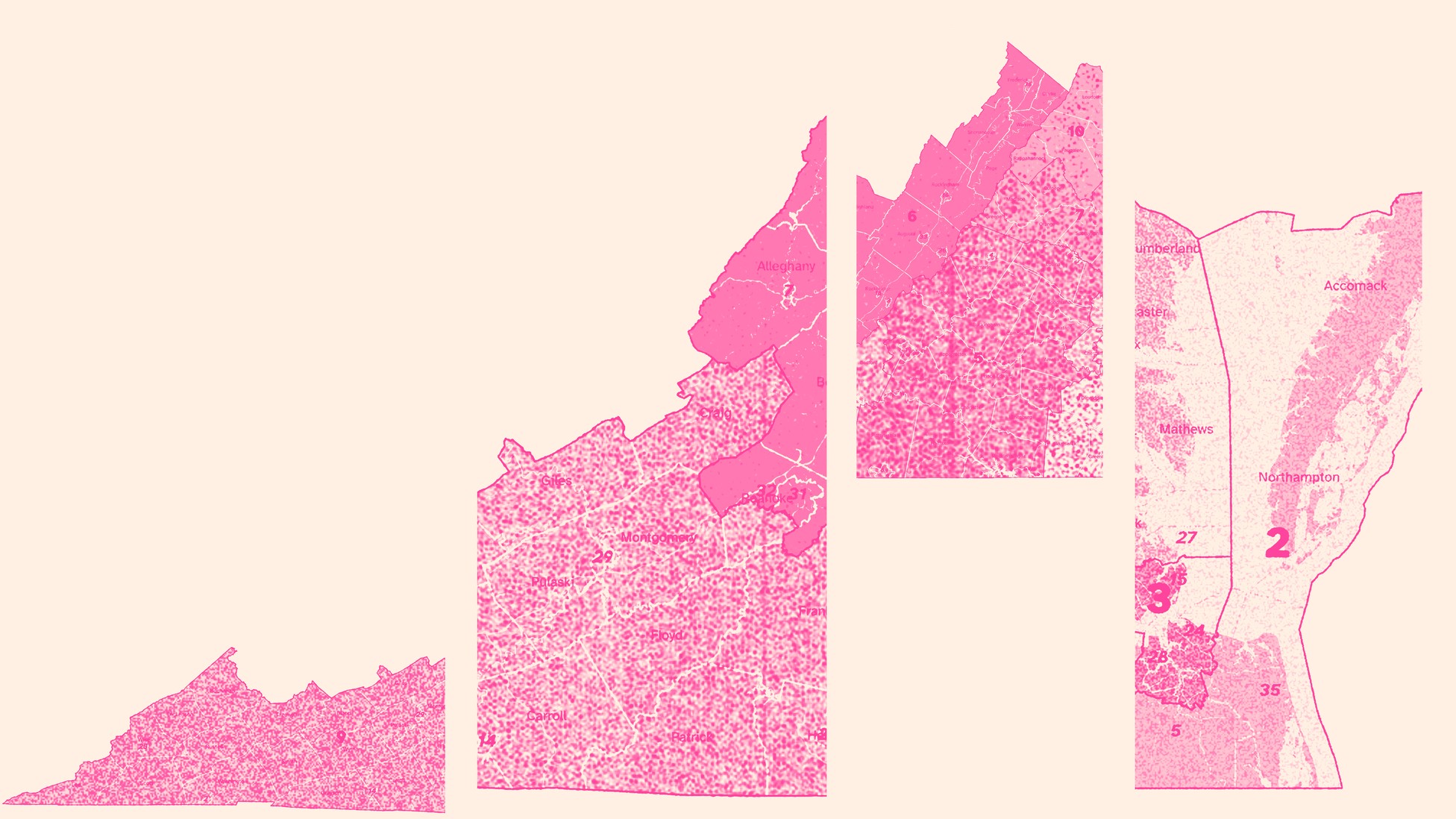
The same CBS segment also floated a provocative frame, that a shift in how Virginia draws congressional lines could help Democrats chase a lopsided delegation, described as a potential 10-1 advantage. Even as a political talking point, it puts the real argument on the table: is this about fair process, or about winning?
The Contradiction Democrats Keep Stepping In
Holder has, at various points, publicly criticized partisan gerrymandering while also urging Democrats to stop unilaterally disarming in states where mapmaking is a contact sport. That balancing act is the whole story: voters tend to like reform in the abstract, but parties like outcomes in the concrete.
The national context makes the incentives obvious. In 2019, the Supreme Court ruled in Rucho v. Common Cause that claims of partisan gerrymandering present political questions that federal courts cannot resolve, effectively pushing many of these fights back to state politics, state courts, and ballot measures.
That legal reality has turned redistricting into a state-by-state arms race. A referendum is not just civic housekeeping. It is a lever that can decide who gets to write the first draft of power for the next election cycle.
What Virginia’s Vote Means Beyond Richmond
Virginia is not just any state in this conversation. It sits in the orbit of Washington, it has rapidly changing suburbs, and it has been a national bellwether for partisan momentum. That combination makes its maps a proxy battle for both parties’ future coalitions.
Holder calling it a national fight is also a clue about what to watch next: litigation threats, dueling claims about neutrality, and competing math about how many seats either side might gain or lose. If the argument is really about process, both parties will want rules that hurt them least.
The bottom line is not that one side loves gerrymandering and the other side hates it. It is that both sides hate it most when they are on the wrong end of the lines, and Holder is openly treating the referendum like a test of who learned that lesson faster.