One side says Spain blinked, the other says the White House is making things up. With shared military bases, EU trade rules, and a shooting war in the background, the gap between the public claims is turning into the story.
What You Should Know
On March 4th, 2026, Spain publicly denied it had agreed to cooperate with US military operations from Spanish bases, contradicting a White House statement. President Donald Trump has also threatened to cut off trade with Spain, even though the EU negotiates trade for member states.
The dispute centers on the Rota and Moron installations in southern Spain, bases used by both countries but under Spanish command. After Spain signaled it would not allow strikes not covered by the UN Charter, the White House said Spain had agreed to cooperate, and Spain’s foreign minister promptly said no.
The White House Says Yes, Madrid Says No
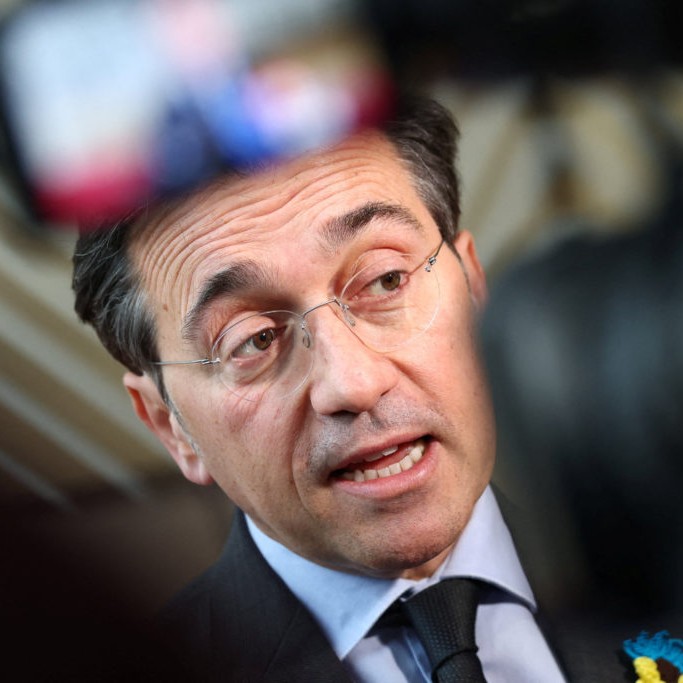
White House press secretary Karoline Leavitt told reporters Spain had moved in Washington’s direction, saying, “It’s my understanding over the past several hours, they’ve agreed to cooperate with the U.S. military.” Within hours, Spanish Foreign Minister Jose Manuel Albares rejected that framing and denied any policy shift, according to reporting from The Associated Press carried by PBS NewsHour.
Prime Minister Pedro Sanchez then treated the base question as part of a larger argument about the Iran war and Spain’s role in it. In a televised address, he summed up his government’s stance in a four-word line built for repetition: “No to the war.”
Trade Threat Meets EU Reality
Trump’s leverage play is not subtle. He has talked about cutting off all trade with Spain, a threat that lands loudly in Madrid but runs into Brussels on paper, because the EU negotiates trade for its 27 member states.
US Treasury Secretary Scott Bessent, in a CNBC interview cited by AP, suggested a trade squeeze would be a “combination effort,” without detailing the mechanics. Meanwhile, Spanish business groups, including CEOE, CEPYME, and ATA, have warned of economic fallout, called the US a key partner, and publicly expressed hope that trade would not be affected.
Spain also has numbers on its side, at least in the narrow sense of exposure. The Bank of Spain has said Spain’s exports and imports with the US account for 4.4% of GDP, versus 10.1% for the EU overall, and it has put exports of Spanish goods to the US at about 16 billion euros ($18.6 billion), with products like pharmaceuticals and olive oil among the major categories.
Bases, Command, and the Next Leverage Test
Underneath the speeches is a control question: shared bases, Spanish command, and a US president arguing from raw necessity. Spain’s position has been tied to international-law boundaries, specifically whether operations are covered by the UN Charter, and the White House is trying to reframe the moment as one of ongoing coordination.
The argument also revives older friction, including Spain’s pushback on higher NATO defense-spending expectations and Sanchez’s willingness to criticize US and Israeli military action in the region. The next test will be whether Washington escalates economically, whether Brussels responds as a trade bloc, and whether the base access question gets settled by paperwork instead of podium lines.