Donald Trump wants America to believe the AI boom can run on someone else’s dime. He brought the biggest names in tech to the White House, promised households would be protected, and left the country asking the same question: Who actually bears the cost when the servers fire up?
What You Should Know
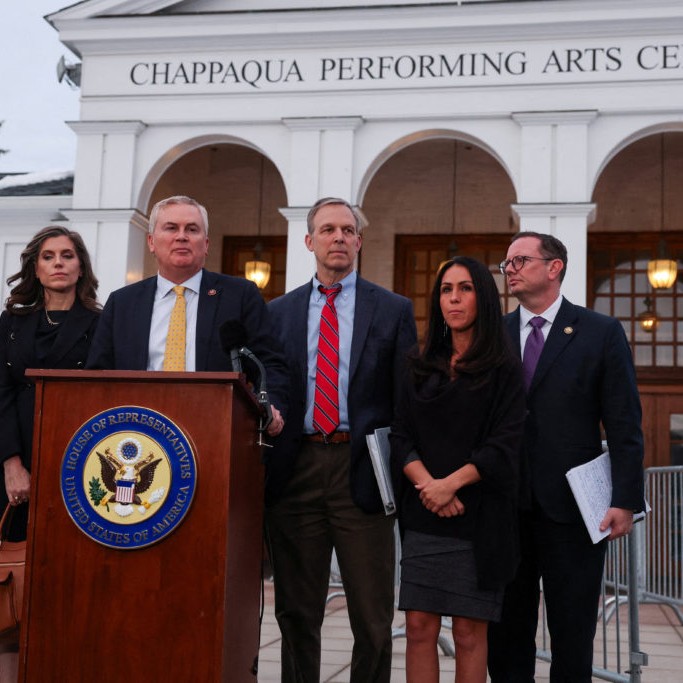
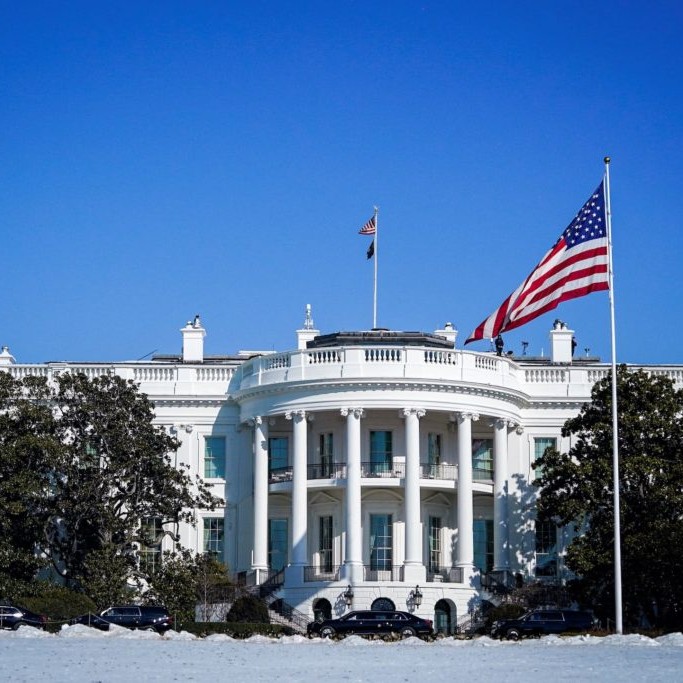
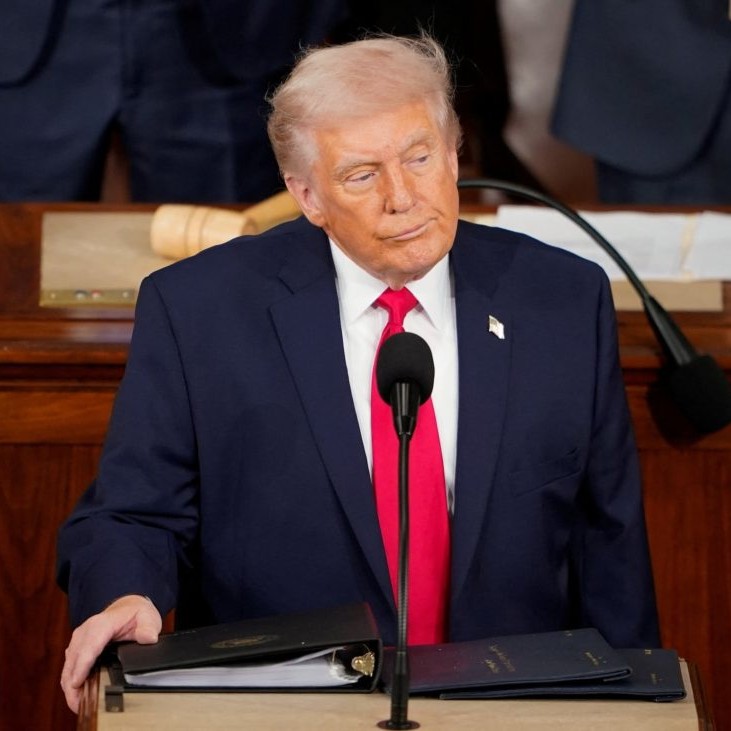
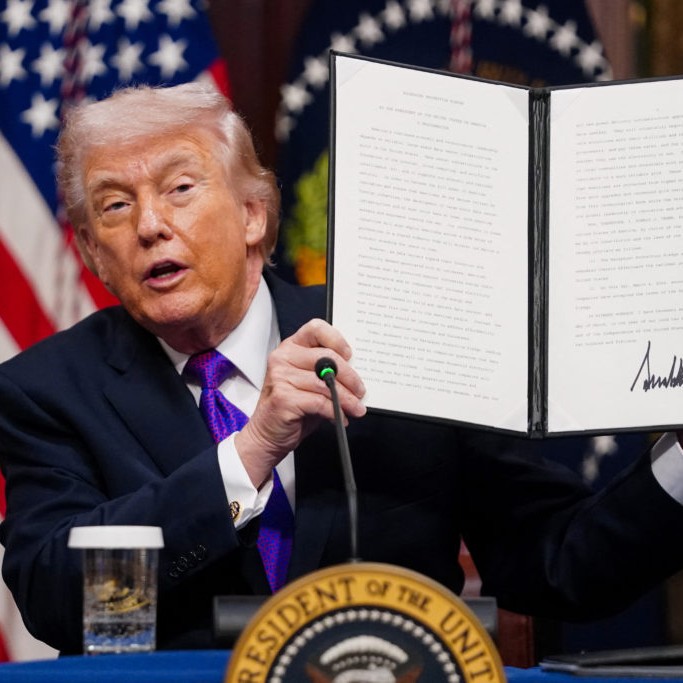
President Donald Trump hosted major tech companies at the White House on March 4th, 2026, to sign a voluntary pledge meant to keep households from bearing electricity cost increases tied to AI data centers. Energy experts have questioned the enforceability of the pledge.
According to PBS NewsHour, which published an Associated Press report on the event, the companies included Google, Microsoft, Meta, Oracle, xAI, OpenAI, and Amazon, and the focus was on a so-called ratepayer protection commitment tied to data center power use.
The Pledge Looks Simple, Until You Read What it Actually Says
Trump framed the White House meeting as a way to calm voters who think data centers mean higher bills. “They need some PR help because people think that if a data center goes in there, electricity prices are going to go up,” Trump said. “It’s not going to happen.”
The pledge, as described by The Associated Press, says companies intend to build or buy new power generation for data centers and cover infrastructure upgrade costs. It also leaves room for selling excess power back to utilities, negotiating separate rate structures, and hiring locally, all of which sounds cooperative until a regulator has to approve who pays what.
Ratepayers Are Regulated in the States, Not at the Podium
Energy experts quoted by The Associated Press raised a blunt problem for any White House victory lap: retail electricity pricing is largely regulated at the state level, and grids are managed through regional systems that vary across the country. A signature page does not automatically translate into lower rates when a utility files for an increase at a state commission.
The stakes are not theoretical. The U.S. Bureau of Labor Statistics reported electricity prices up 6.3% over the prior year, using the consumer price index, a backdrop that makes any “don’t worry about your bill” promise an instant political test.
Local backlash is already part of the equation. Communities have pushed back on data centers over electricity demand, water use, and pollution concerns, and those fights can lead to permitting delays, grid upgrade disputes, and higher costs that get passed along.
Trump’s Energy Politics Add Another Layer of Tension
Trump argued that the country will need more power generation dramatically as AI expands. Meanwhile, the energy mix debate is still a knife fight, and his own posture has included trying to cancel wind projects while elevating coal, a contradiction that sits awkwardly beside a pledge that leans on new builds and new infrastructure.
Construction is part of the reality check, too. U.S. Census Bureau data show construction spending on power generation jumped in 2022, then drifted down after peaking in October 2023, a trend line that does not automatically scream “we are ready for a demand surge.”
What comes next is less about who posed for cameras and more about where the filings land: state regulators, utility commissions, and regional grid operators that decide timelines, interconnection, and cost recovery. If household bills keep climbing, the pledge will not be judged as a promise. It will be judged as a bill.