


The Senate is about to stage a rare, high-stakes roll call on war powers, and the timing is the point. As President Trump’s team signals the Iran campaign could stretch, senators are being forced to pick a side on paper, not just on cable.
What You Should Know
On March 4th, 2026, the Senate is scheduled to vote on a War Powers Resolution tied to U.S. military action involving Iran. The measure, pushed by Sen. Tim Kaine, would direct an end to unauthorized hostilities, but it is expected to fall short.
At the center is Kaine, a Virginia Democrat, who has again used the War Powers Act process to trigger a vote, with Sen. Rand Paul, a Kentucky Republican, backing the effort. The resolution targets any U.S. hostilities in or against Iran that have not been authorized by Congress.
The Vote, and the Math
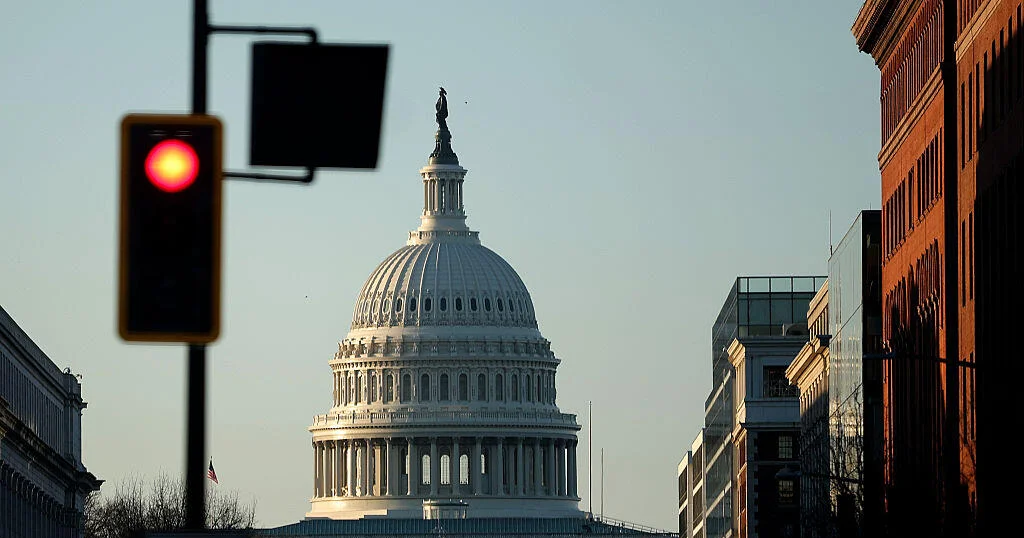
With Republicans holding 53 seats, the path is narrow. CBS News reported that the resolution would need near-unanimous Democratic support, plus at least four additional Republicans, because Sen. John Fetterman, a Pennsylvania Democrat, has said he will vote no.
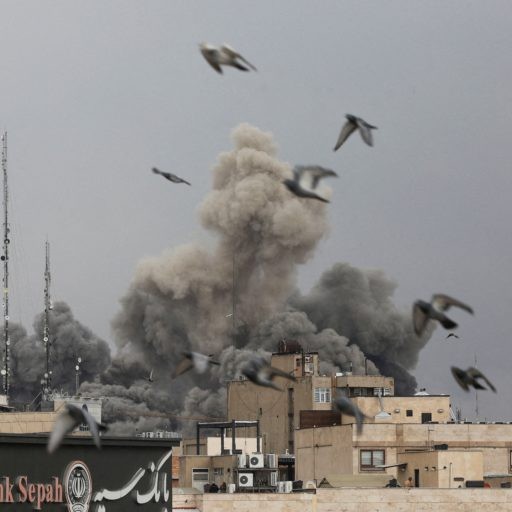
The politics got tighter after a major U.S. operation against Iran began in late February 2026, creating a live test of Congress’s willingness to pull the brake. Senate Minority Leader Chuck Schumer framed the risk as a drifting mission, saying, “They have shifting goals, different goals all the time, different answers every day. And I am truly worried about mission creep.”
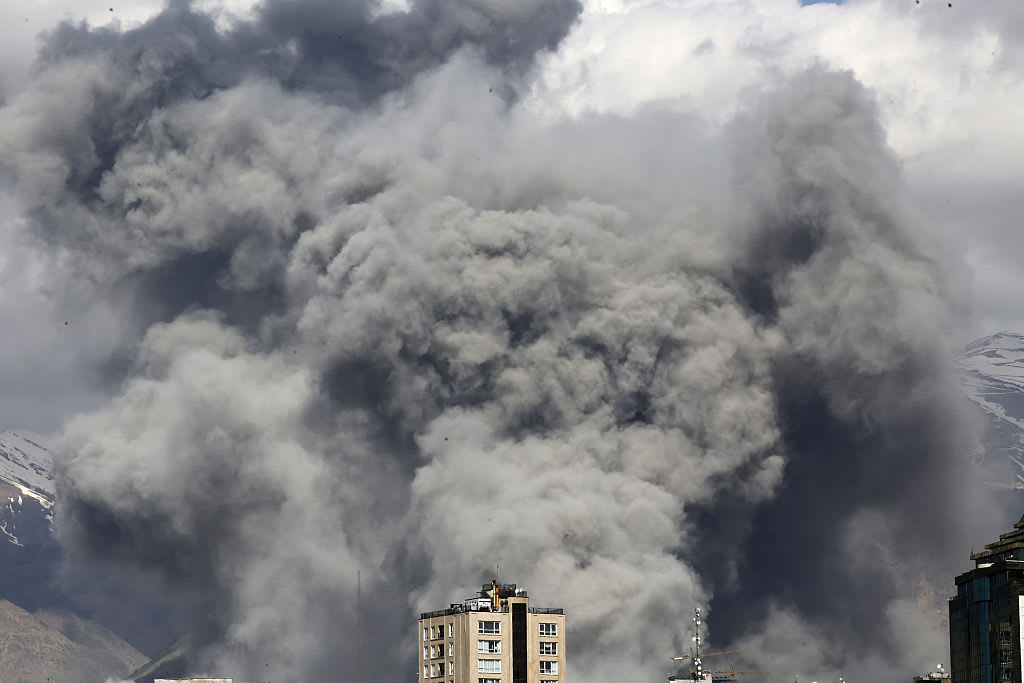
Trump’s own public timeline has swung between confidence and open-ended flexibility. According to CBS News, Trump described an operation projected to last four to five weeks, while also saying the U.S. can go longer, and he has not ruled out deploying ground troops.
The War Powers Trap
The War Powers Resolution, passed in 1973 after Vietnam, was built to keep presidents from sliding into sustained conflicts without Congress. It generally requires consultation and reporting within 48 hours of introducing forces, and it sets a 60-day clock for unauthorized engagements, a structure laid out in summaries of the law and its history.
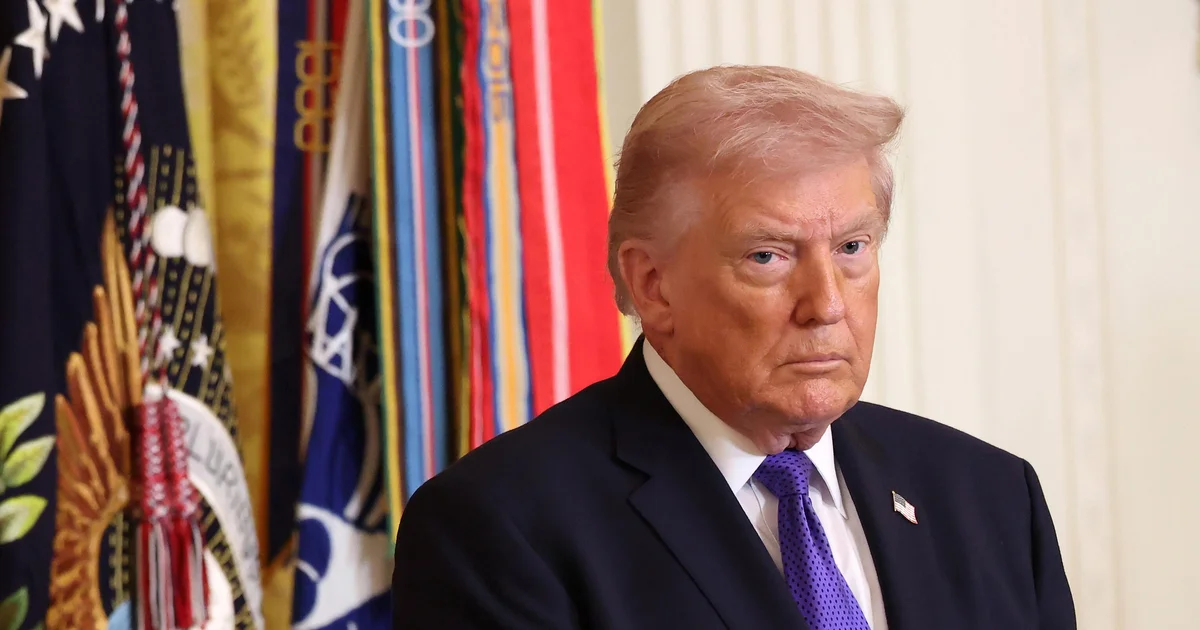
Meanwhile, the executive branch has long argued the statute cannot fully bind a commander in chief, even when administrations say they are following it. Secretary of State Marco Rubio captured that tension while defending the current posture, telling reporters, “No presidential administration has ever accepted the War Powers Act as constitutional, not Republican presidents, not Democratic presidents. All that said, we complied with the law 100%, and we’re going to continue to comply with it.”
What Happens if It Fails
Even a win in both chambers would not guarantee a shutdown of the operation, because a president can veto the measure. That is why Kaine has been blunt that the vote is also about forcing accountability, and he has suggested he may keep bringing the issue back as events develop.
Democrats have also leaned on public skepticism as leverage. A CBS News poll found most Americans disapprove of the war with Iran and say the administration has not clearly explained its goals, with many expecting the conflict could drag on for months or years.
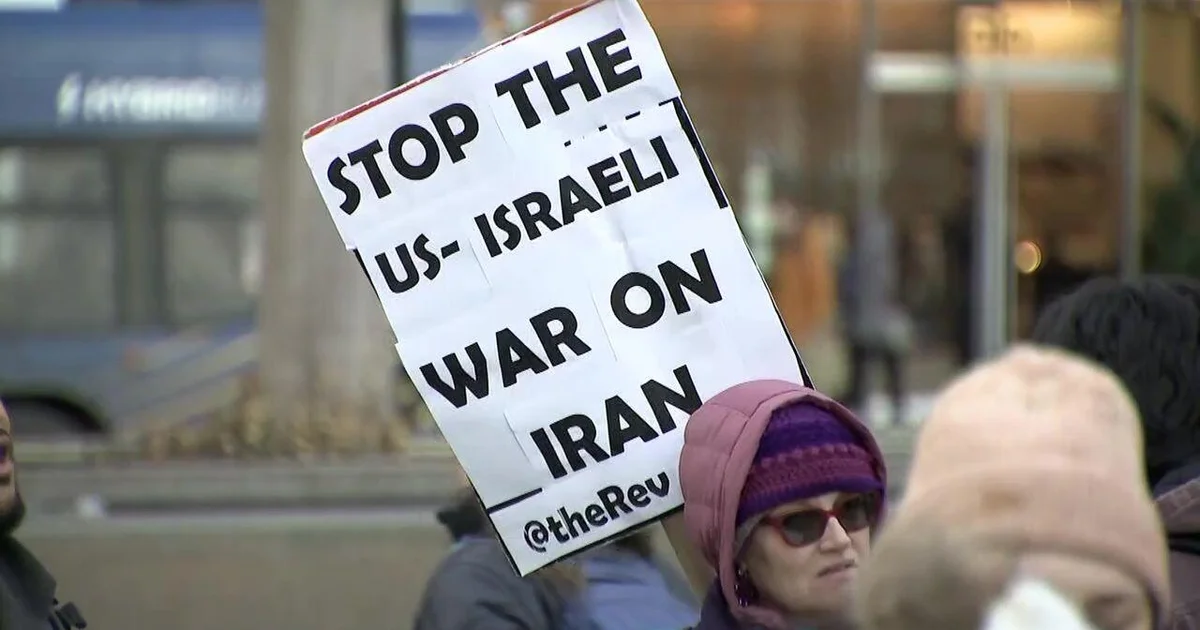
Next, watch two pressure points: whether the House follows with its own vote later in the week, and whether any Republicans decide the political risk of an open-ended operation is greater than the risk of crossing a president of their own party.