

Wall Street spent the session doing what it does best when geopolitics gets loud: it sold first, asked questions second, and then rallied on a promise that was not a policy document so much as a public message.
What You Should Know
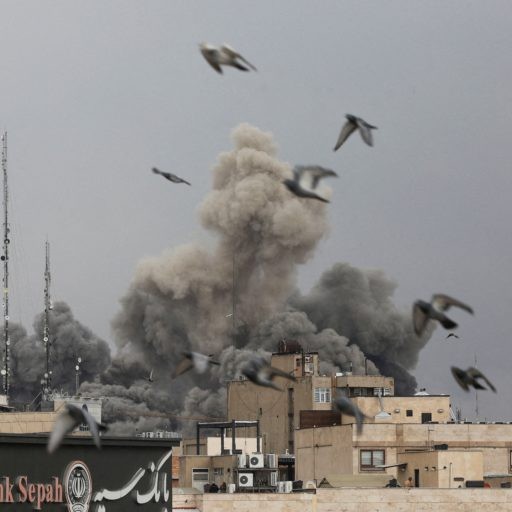
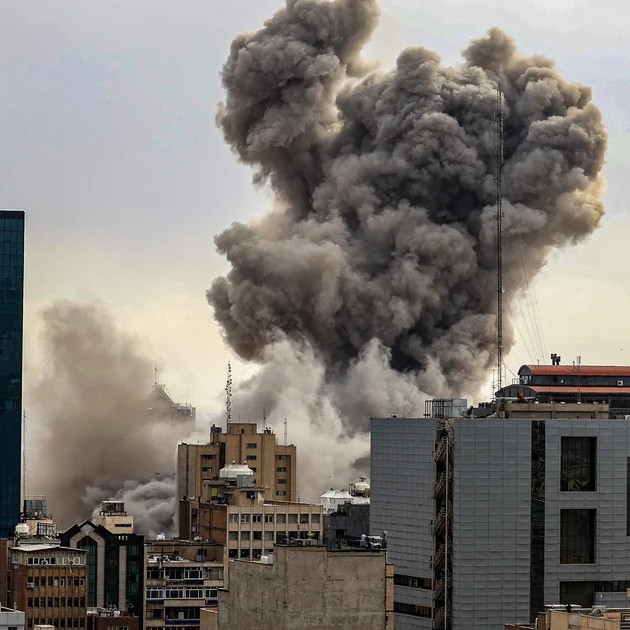
U.S. stocks finished lower after paring steep early losses as investors weighed Iran war risks, oil supply concerns, and higher yields. President Trump said the U.S. would offer political risk insurance and could have the U.S. Navy escort tankers through the Strait of Hormuz.
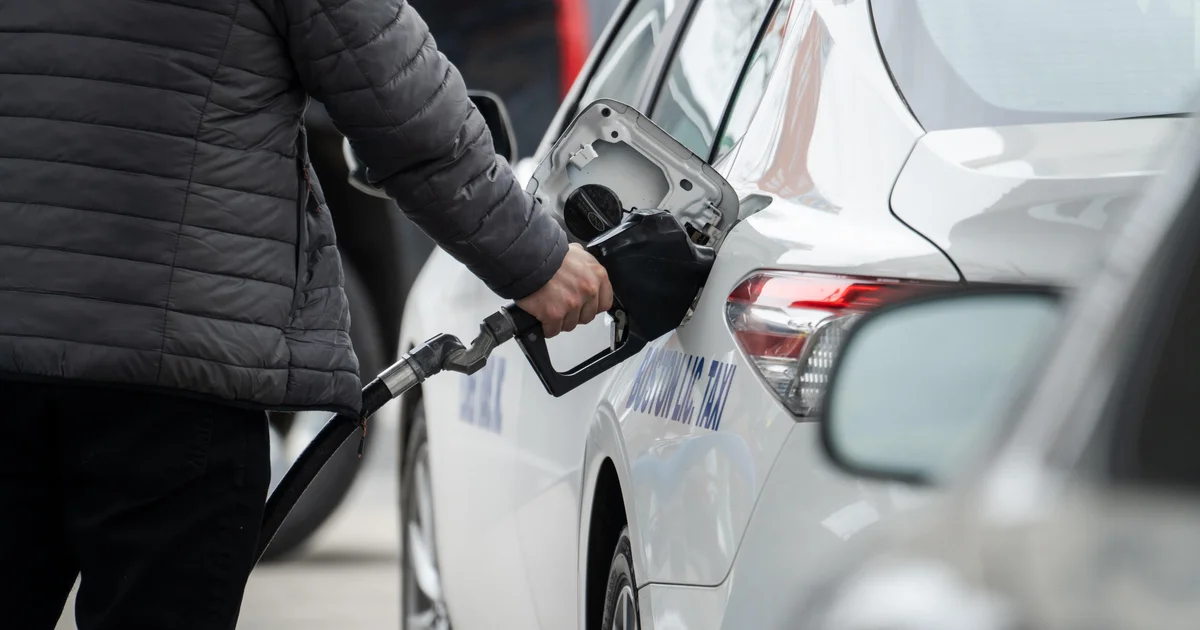
The push and pull centered on one old market truth: energy shocks do not stay in the energy market. They show up in inflation expectations, interest rates, and, eventually, household costs.
Markets Flinched, Then Watched Trump
By the close, the Dow Jones Industrial Average was down 404 points, or 0.8%, at 48,501. The S&P 500 fell 65 points, or 0.9%, to 6,817, and the Nasdaq Composite slid 1%.
The scarier number came earlier, when the Dow was down more than 1,200 points, a drop CBS News described as the biggest such decline since April 2025, when Trump announced his sweeping “liberation day” tariffs.
This time, the fear trade was tied to war risk and oil. Investors were trying to price the duration of the conflict, the risk to shipping, and what any disruption would do to inflation-sensitive assets, from growth stocks to mortgages.
The Receipts: Oil Up, Yields Up, and an Escort Promise
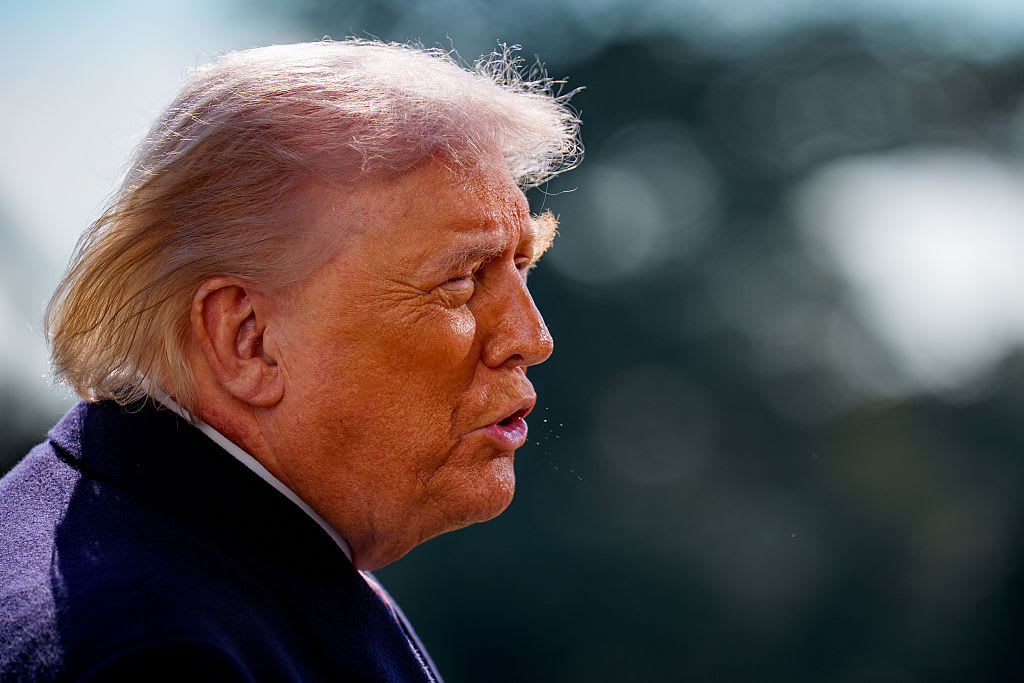
Markets perked up after Trump posted that the U.S. would provide “political risk insurance” at a “very reasonable price” for ships traveling through the Gulf. He also said the U.S. Navy would start escorting tankers through the Strait of Hormuz if necessary, which effectively put a potential security backstop on the table.
Analysts framed it as a pressure valve for crude. LPL Financial chief technical strategist Adam Turnquist told CBS News that “Oil prices retreated after news the U.S. will ensure safe passage through the Strait of Hormuz, easing fears of a major global supply shock.”
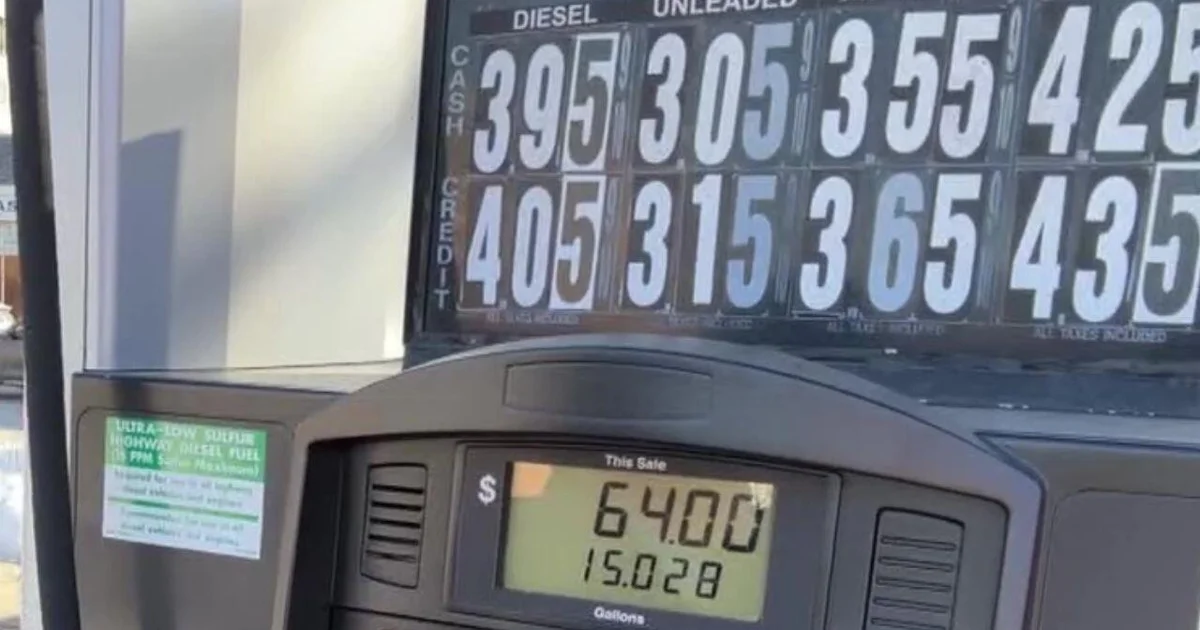
Even with that reassurance, prices were still higher on the day: Brent crude rose $3.49, or 4.5%, to $81.13 a barrel, while benchmark U.S. crude gained $2.99, or 4.2%, to $74.22, according to FactSet. Meanwhile, eight OPEC+ countries said they would boost production, including Saudi Arabia, Russia, Iraq, the United Arab Emirates, Kuwait, Kazakhstan, Algeria, and Oman.
Why Wall Street Cares About a Faraway Chokepoint
The market is not just betting on barrels; it is betting on who controls the lanes. Trump is talking about insurance pricing and naval escorts, OPEC+ is signaling spare capacity, and traders are watching whether the story moves from risk chatter into an operational reality that changes shipping behavior.
Then there is the bond market. The 10-year Treasury yield moved up to 4.06%, a level that can ripple into borrowing costs, including fixed-rate mortgages, and can revive the inflation conversation fast if oil stays elevated.
The next tell will be whether crude settles down or keeps climbing, and whether official policy follows the social media signals. In this kind of tape, markets do not wait for a press conference; they trade on the hint.