Trump just offered millions of workers a new deal on retirement savings, with Washington kicking in up to $1,000 a year. The question is not whether that sells in a speech. It is whether it survives the fine print.
What You Should Know
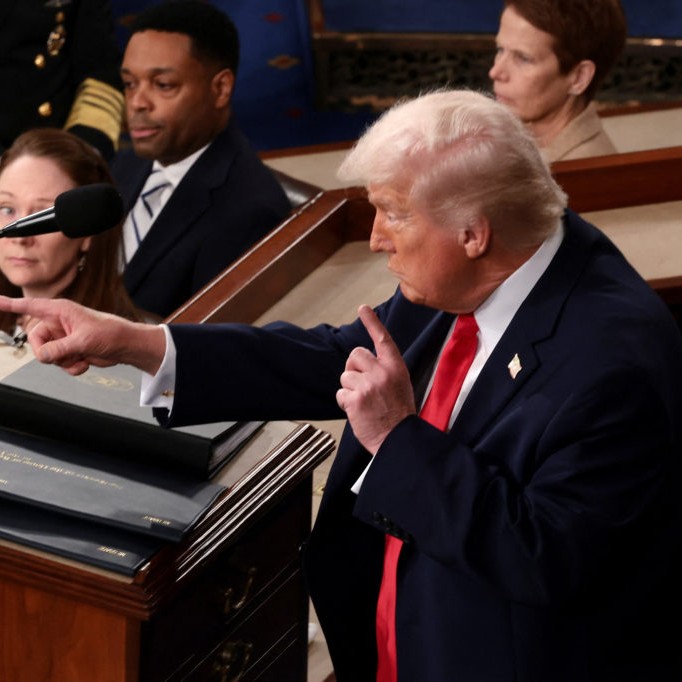
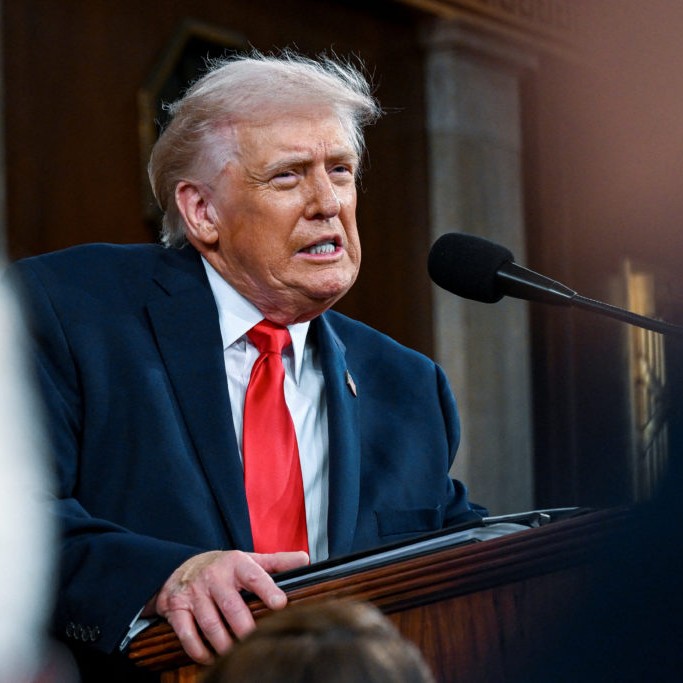
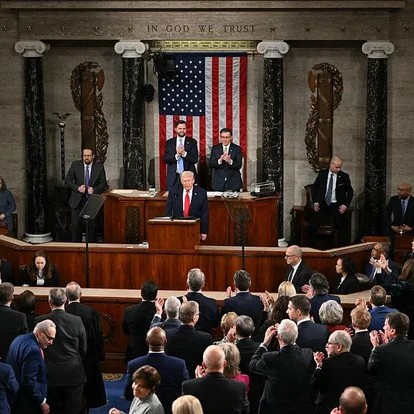
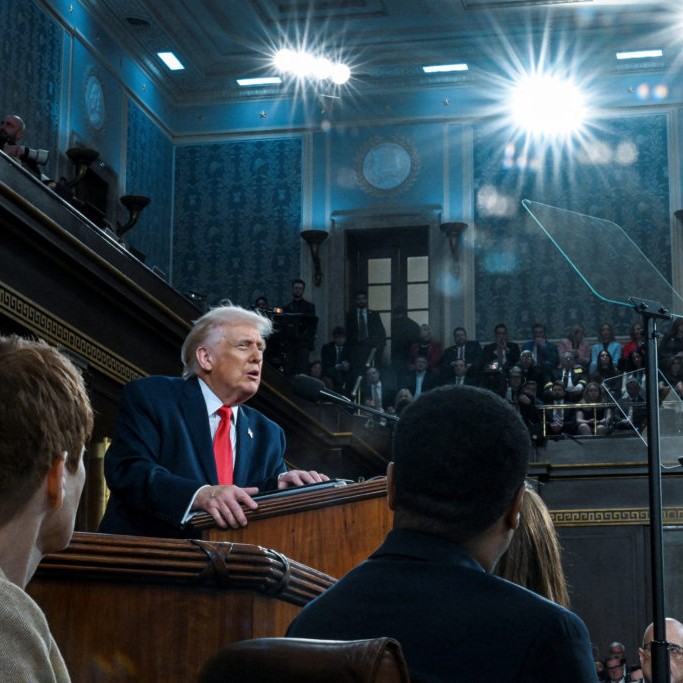
President Donald Trump used his State of the Union address to announce a proposed public retirement plan with a federal match of up to $1,000 annually for workers without employer matching. The White House has not yet released legislative text or detailed eligibility rules.
The announcement came during a primetime address framed around Trump’s record in office and his pitch for keeping his party in power. It also landed amid legal and political friction points that risk crowding out any single policy promise.
The $1,000 Match Pitch Hits a Real Gap
The core argument is simple: lots of Americans work jobs that do not come with an employer match, and the match is where retirement plans start to feel like a ladder instead of a jar. In the speech, Trump pointed to access as the problem, not financial literacy or personal discipline.
Trump put a number on it, saying, “Half of all of working Americans still do not have access to a retirement plan with matching contributions from an employer.” He then tied the proposal to a familiar promise, broader participation in markets, by telling workers the government would help them “profit from a rising stock market.”
The Fine Print, the Price Tag, and the Permission Slip
The speech framed the plan as giving workers access to something like what federal employees already have, which would inevitably invite comparisons to the Thrift Savings Plan. However, a State of the Union line does not create a program on its own, and any real rollout would likely require congressional authorization, funding, and a basic decision on who qualifies and how contributions flow.
There is also a built-in tension: a federal match is an entitlement-shaped benefit, while Trump’s broader governing brand, as PBS NewsHour described it, has emphasized deregulation, executive action, and disruption. The administration will have to explain how a new retirement match gets administered cleanly without building a bigger bureaucracy or pushing costs and complexity onto employers and payroll providers.
Meanwhile, the retirement system already has crowded lanes, including employer plans and IRAs, with rules that can confuse even motivated savers. If the White House wants this to be more than an applause line, it will need to spell out how the plan interacts with existing contribution limits, fees, and portability when workers change jobs.
A Benefit Plan Dropped Into a Rough Political Week
Trump’s pitch did not arrive in a vacuum. PBS NewsHour reported that the Supreme Court struck down his sweeping tariffs, that a partial shutdown affecting the Department of Homeland Security was dragging on amid an immigration fight, and that questions connected to the Jeffrey Epstein investigation continued to follow the administration.
There is also the public mood. PBS NewsHour cited a PBS News, NPR, and Marist poll finding 60% of Americans said the country was worse off than a year earlier, with 40% saying it was better, which is the kind of split that turns a retirement benefit into a political litmus test.
What to watch now is whether the administration produces a bill, a budget number, and a timeline that matches the promise. The match makes a great headline, but the fight will be over who pays, who runs it, and who gets left out.