

Donald Trump just tried to rebrand tariffs as a love letter to taxpayers. The problem is the Supreme Court had already swatted his biggest tariff move, and the numbers and the law do not bend just because a prime-time speech demands it.
What You Should Know
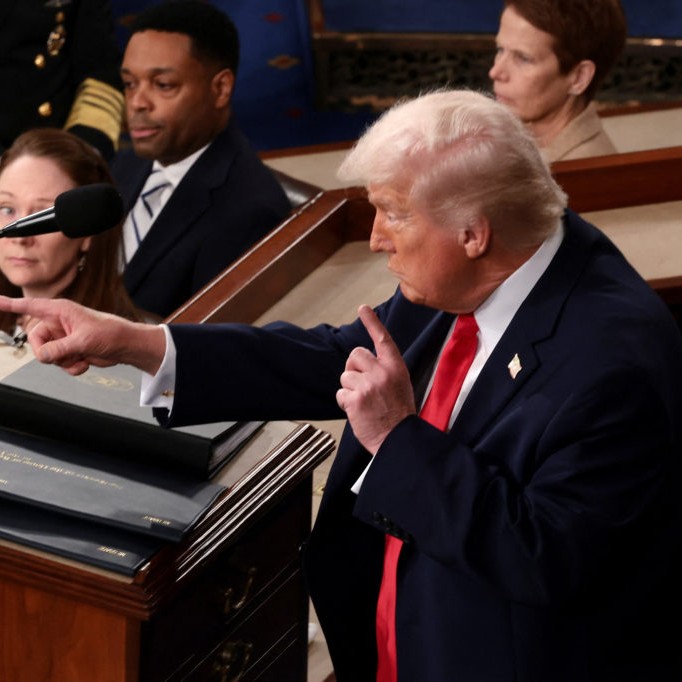
During his February 24th, 2026, State of the Union address, President Donald Trump said tariffs could substantially replace income tax. Days earlier, the Supreme Court struck down his sweeping tariffs, and Trump said he would reimpose global tariffs at 15%, with 10% taking effect Tuesday.
Trump delivered the line as he tried to claim economic control after a bruising stretch that included mass layoffs, aggressive immigration enforcement, and a partial shutdown affecting the Department of Homeland Security, according to PBS NewsHour.
The Court Problem Trump Keeps Skirting
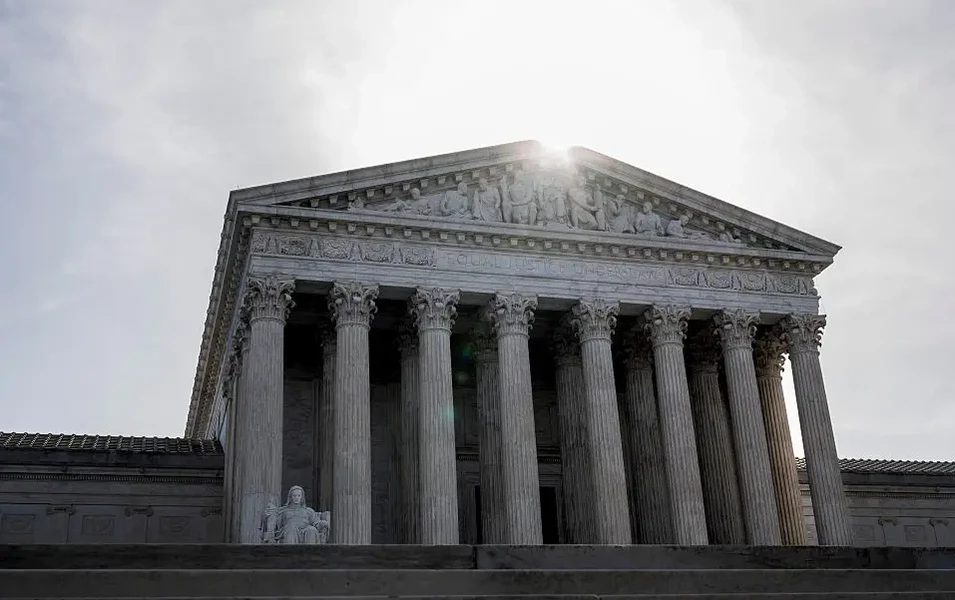
According to PBS NewsHour, the Supreme Court struck down Trump’s sweeping tariffs on February 20th, 2026, a direct hit to one of his signature power tools. Trump then said he would reimpose global tariffs at 15%, even though they took effect at 10% on February 24th, 2026.
In other words, the sales pitch was not just about policy. It was about who is in charge: the White House setting the price of trade, or the courts drawing lines around presidential power.
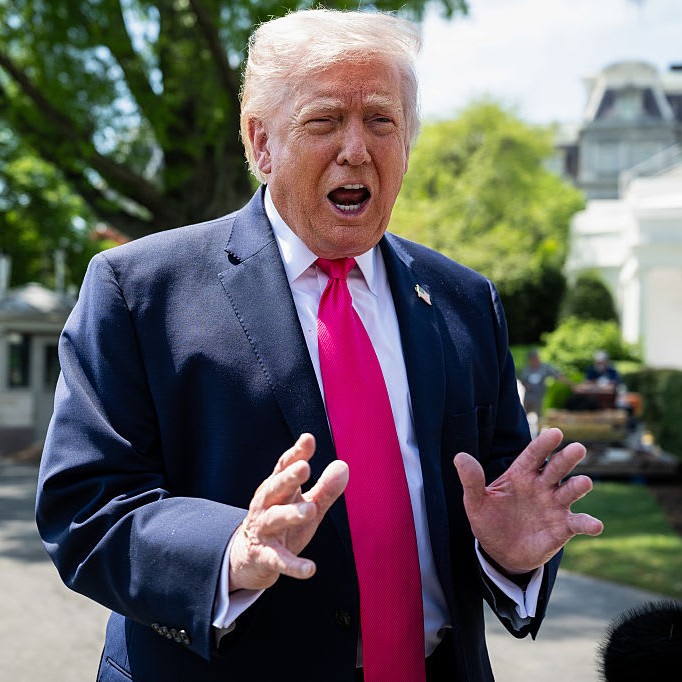
“As time goes by, I believe the tariffs paid for by foreign countries will, like in the past, substantially replace the modern-day system of income tax, taking a great financial burden off the people that I love,” Trump said.
Replacing income taxes is not a one-switch gimmick. The federal income tax is rooted in the Sixteenth Amendment, ratified in 1913, a point laid out in historical background from the U.S. Senate and the National Archives.
That matters because tariffs are a narrower lever than an income tax system that reaches wages, capital gains, and corporate profits. Even if Congress rewrote the tax code tomorrow, the politics would be nasty, and the revenue math would be unforgiving.
The Politics Behind the Pricing Pitch
Trump also leaned on a familiar frame: tariffs are paid by “foreign countries.” But tariffs are collected at the border from importers, and the costs can cascade through supply chains, which is why fights over tariffs quickly turn into fights over consumer prices and corporate margins.
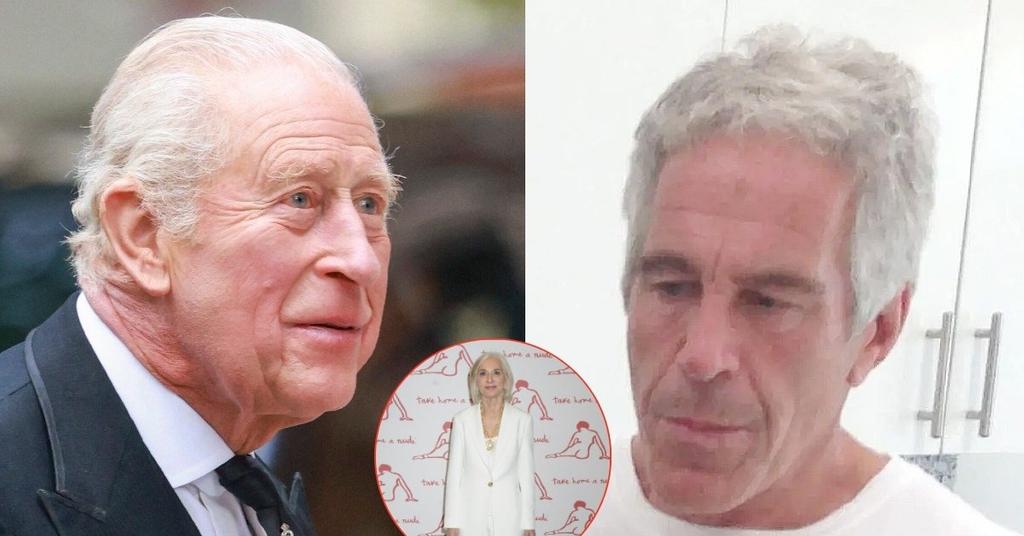
Meanwhile, the White House is juggling distractions that do not fit neatly into a victory lap. PBS NewsHour noted ongoing questions about the Jeffrey Epstein investigation, plus a PBS NewsHour, NPR, and Marist poll finding 60% of Americans said the country was worse off than a year earlier.
What to Watch Next
Watch whether the administration’s reimposed tariffs trigger fresh litigation, new congressional constraints, or carve-outs for favored industries. Also, watch whether Trump keeps selling tariffs as a tax cut, even as courts and markets demand the receipts.