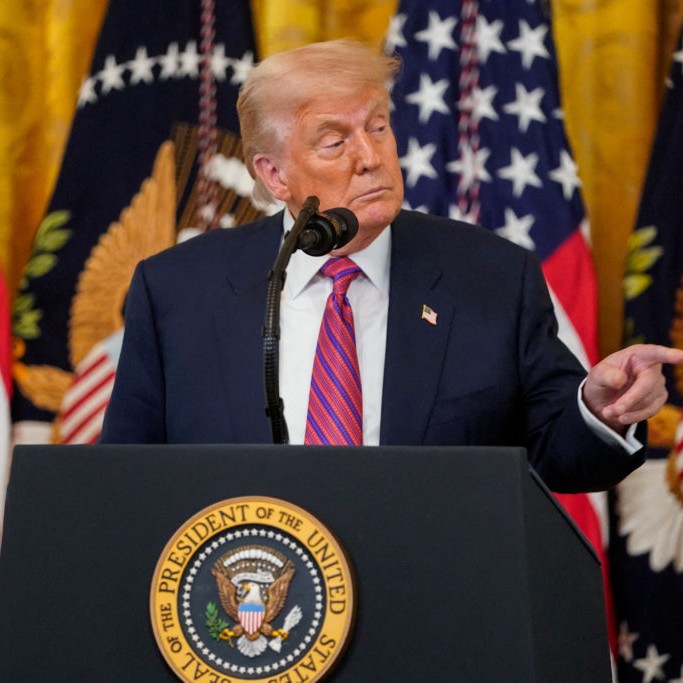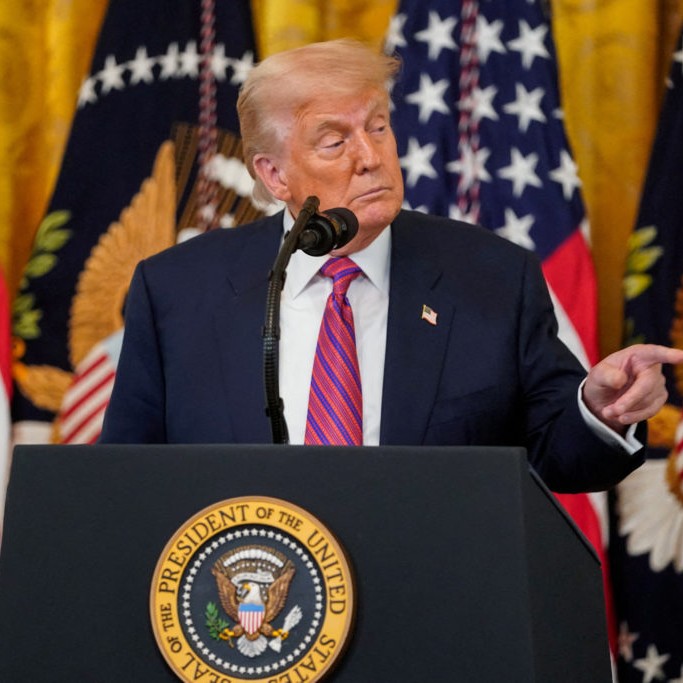


It was supposed to be a clean, camera-ready moment of unity. Instead, President Donald Trump got a standing ovation from one side of the aisle, shouted blowback from the other, and a Minnesota-specific accusation that instantly changed the temperature in the room.
What You Should Know
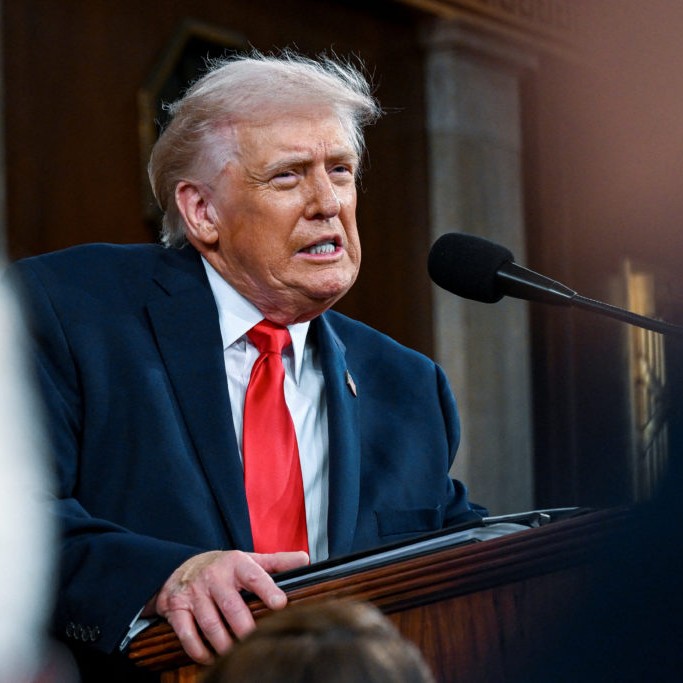
During his State of the Union address, Trump asked members of Congress to stand if they agreed that protecting American citizens is the government’s first duty. Republicans stood and applauded, while Democrats shouted, including Rep. Ilhan Omar, referencing two citizens killed by federal agents in Minnesota.
The flashpoint, according to PBS NewsHour’s account of the speech, came when Trump asked lawmakers to stand for what he called a fundamental principle: “the first duty of the American government is to protect American citizens, not illegal aliens.” The chamber split on cue.
The Standing Moment That Lit the Chamber
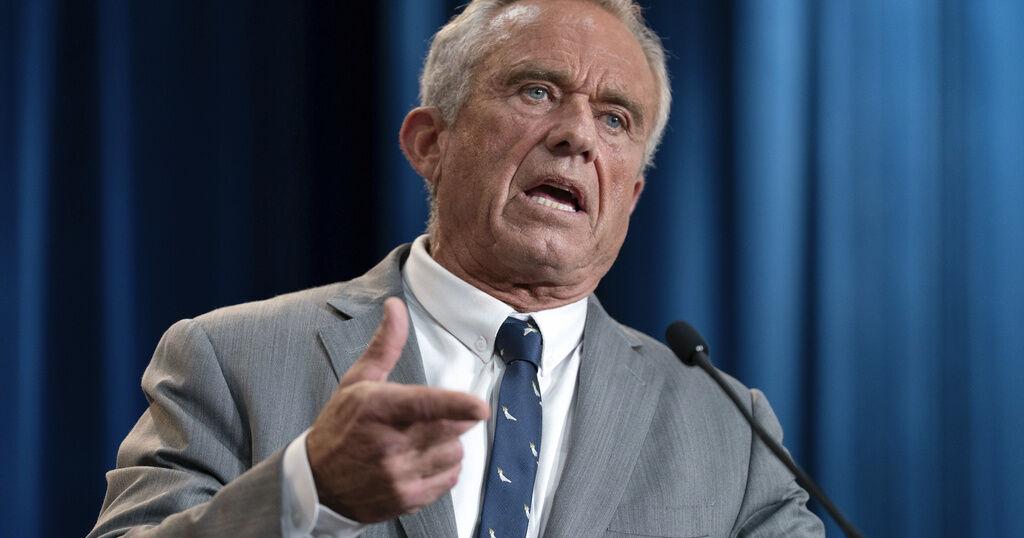
PBS reported Republicans stood and applauded for about two minutes. Democrats, meanwhile, yelled at the president, and Omar, a Minnesota Democrat, shouted, “You have killed Americans,” referencing two citizens shot and killed by federal agents in Minnesota in January.
Trump did not pause for a back-and-forth. Speaking over the shouts, he turned the optics into a loyalty test, berating Democrats for staying seated and saying, “Isn’t that a shame? You should be ashamed of yourself not standing up. You should be ashamed of yourselves.”
Minnesota, Immigration, and the Power Play
The power move here was simple: make a broad, polarizing immigration frame look like common sense, then dare opponents to visibly reject it on national television. In the State of the Union setting, the cutaway shots become a second speech, and Trump all but directed them.
Omar’s line, by contrast, dragged the debate out of slogans and into consequences. PBS tied her words to the Minnesota shootings involving federal agents, a detail that raises the stakes beyond rhetoric because it pushes the argument toward oversight, accountability, and what exactly federal enforcement is doing in the field.
PBS also sketched a wider context around the address: a presidency defined by heavy executive action, deregulation, layoffs, and aggressive immigration tactics. In that backdrop, a shouted accusation is not just a heckle. It is a reminder that enforcement policies can come with human, legal, and political costs.
Even the mood music is turning into a number. PBS cited the latest PBS News/NPR/Marist poll, which found that 60% of Americans say the country is worse off than a year ago, compared with 40% who say it is in better shape, giving both parties ammunition to claim the public is ready for a course correction.
What Comes Next for Trump, Omar, and Congress
The immediate question is whether the confrontation stays a viral clip, or becomes the start of a paper trail: requests for briefings, hearings, subpoenas, or new fights over Department of Homeland Security funding and enforcement rules. For Trump, who is also making a case for keeping his party in power in November, the incentive is to keep the split-screen going.
For Democrats, the challenge is translating protest into proof and process, because a shouted allegation does not settle what happened in Minnesota. The next signal to watch is not who stands. It is the investigations, if any, that start moving in public.