President Trump just dared Iran to say four simple words out loud, even as Iran insists it already has. The real question is why the White House is acting like the sentence is new, and what happens if Tehran refuses to repeat it on cue.
What You Should Know
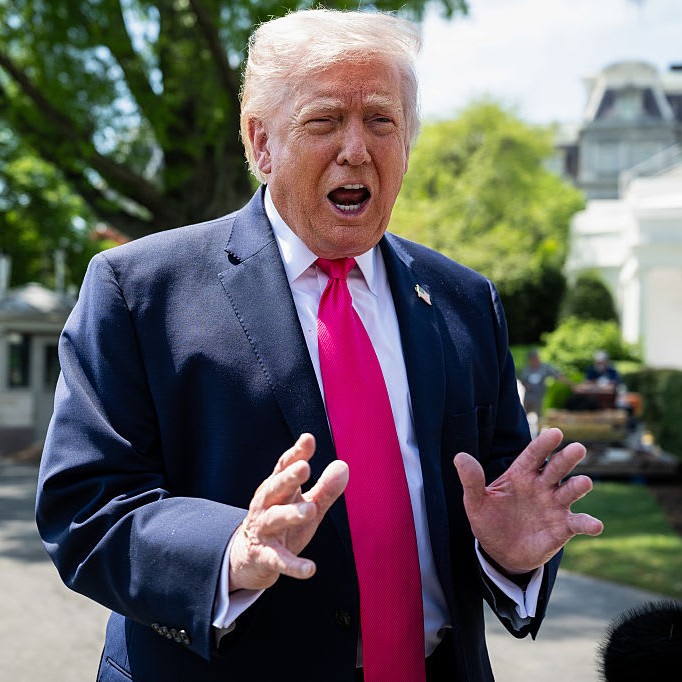
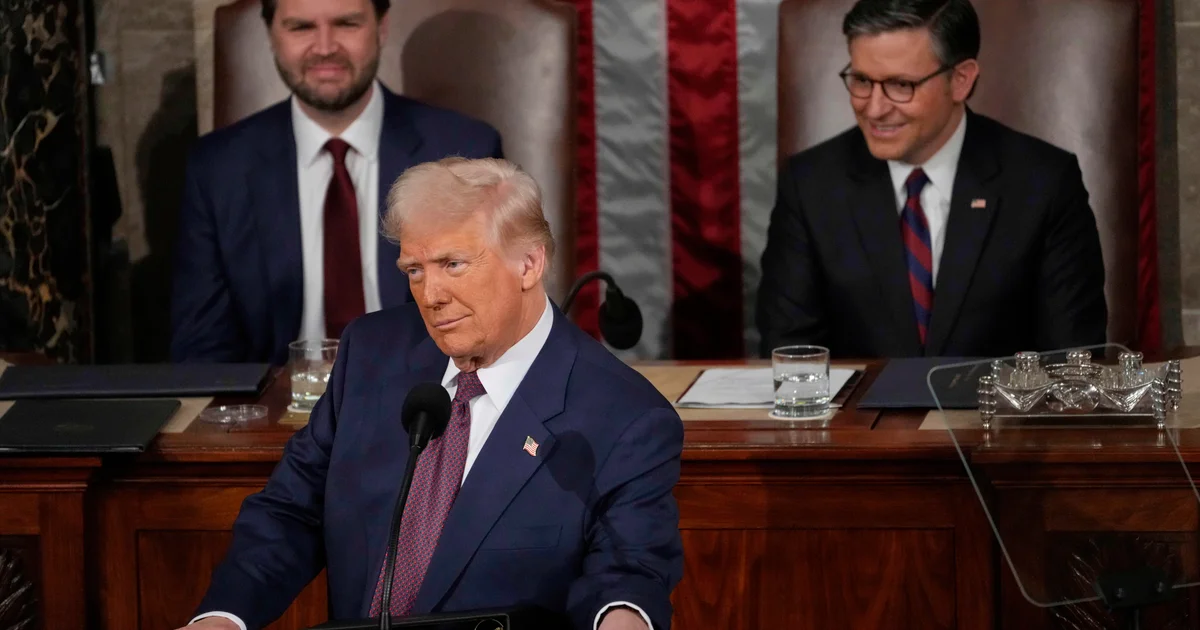
During his State of the Union address on February 24th, 2026, President Trump urged Iran to reach a nuclear deal and said he will never allow Iran to have a nuclear weapon. His comments came as the U.S. maintains a major military presence in the Middle East.
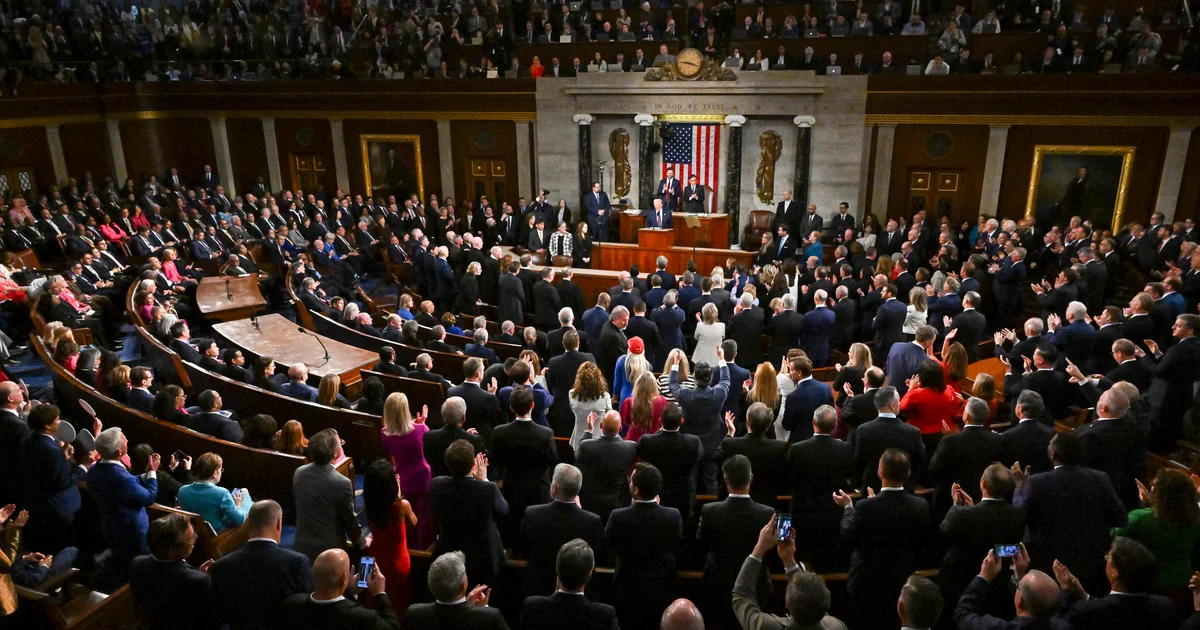
Trump used prime-time presidential real estate to fuse diplomacy with a threat, framing Iran as a test of American resolve while hinting he could escalate beyond talks if Tehran does not accept limits on its nuclear program.
Trump Put Diplomacy on the Podium, and Strikes in the Background
In the speech, Trump said his preference is diplomacy, but he drew a hard line on outcomes, saying the U.S. would not permit Iran to obtain a nuclear weapon and adding, “Can’t let that happen.”
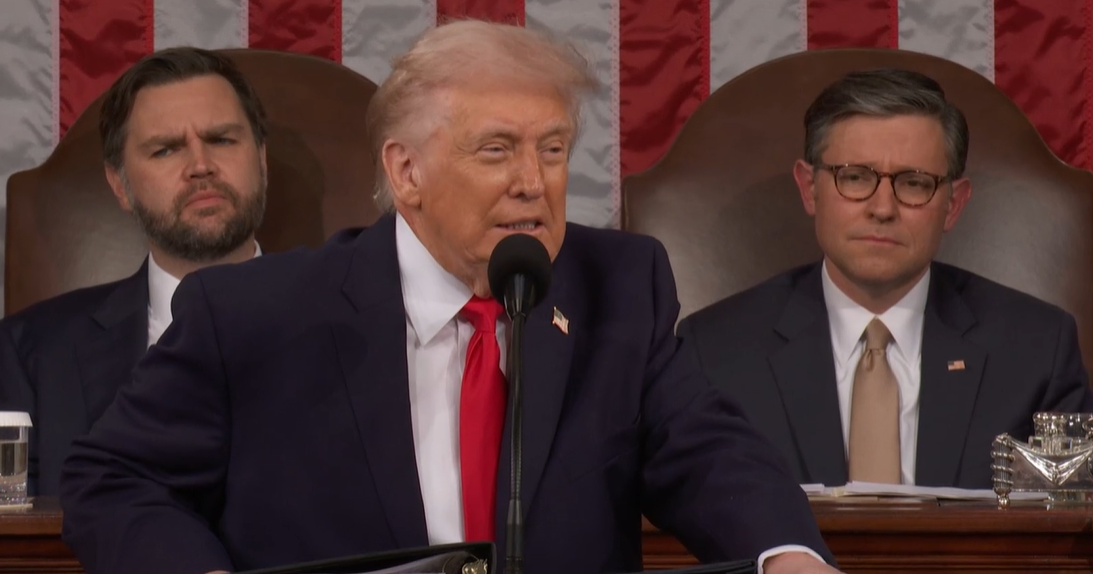
He also teased uncertainty about what comes next. In a brief phone call before the address, Trump told CBS News chief Washington analyst Robert Costa, “We’ll find out,” when asked how he would move forward on Iran.
Meanwhile, the administration is not treating this as a purely rhetorical standoff. CBS News has reported that a large fleet of U.S. naval vessels has been deployed to the Middle East, and that Trump has asked advisers for options that could deliver a punishing strike, even as military planners cautioned that results cannot be guaranteed.
Iran Is Saying No Bomb, Washington Is Saying Prove It
Here is the friction point Trump spotlighted: he said Iran wants a deal, but the U.S. has not heard what he called the “secret words” that Iran will never have a nuclear weapon. The challenge is that Iran, at least publicly, keeps insisting those words are not secret at all.
Earlier on February 24th, 2026, Iranian Foreign Minister Abbas Araghchi wrote on X that Iran “will under no circumstances ever develop a nuclear weapon,” echoing years of official Iranian statements that its nuclear work is peaceful. Trump, however, cast Iran as restarting dangerous ambitions after prior U.S. strikes on three Iranian nuclear sites that he praised in his address.
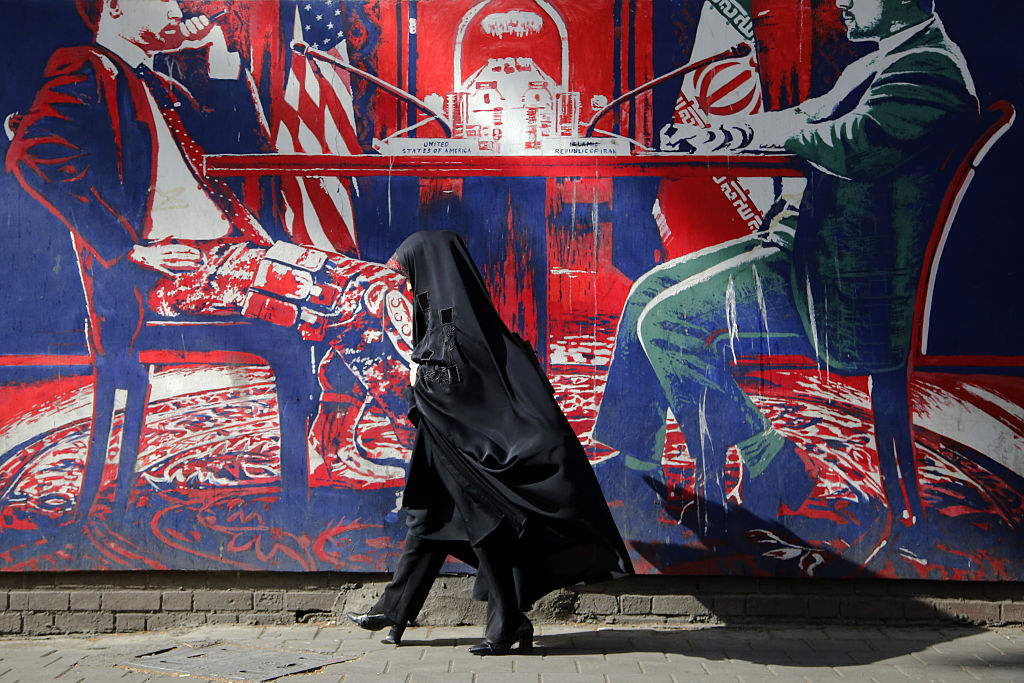
The deeper contradiction is enrichment. Iran argues it has a right to enrich uranium, and it says the program is for civilian purposes. International concerns persist because watchdog reporting in recent years has described Iranian enrichment levels and stockpiles moving beyond what is typically needed for non-weapons uses, sharpening fears about how quickly conditions could change.
This fight is also haunted by history. The U.S. and other powers struck a 2015 nuclear deal with Iran, and the Trump administration withdrew the U.S. from that agreement in 2018, triggering a long cycle of reduced restraints, higher mistrust, and negotiations that keep restarting under new labels.
What to Watch When the Talking Stops
Trump is trying to make a negotiation hinge on wording, but the leverage is visible in hardware, deployments, and the implied willingness to strike. If Iran repeats its denial and keeps enriching, the U.S. has to decide whether the demand was about verification, political theater, or building a public case for escalation.
Iran, for its part, has to decide whether refusing Trump’s phrasing is worth the risk of testing his red line.