

UCLA is no longer just arguing about protest rules. It is now staring down a federal lawsuit that claims the school let a hostile environment fester, then failed to discipline anyone, even after violence and mass arrests put the campus on national television.
What You Should Know
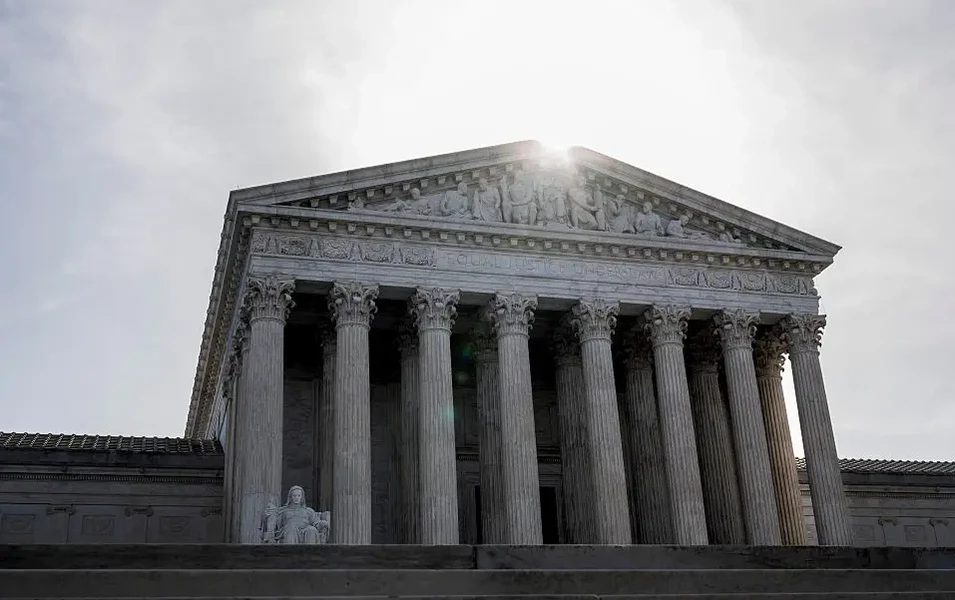
On February 24th, 2026, the Justice Department sued the University of California, alleging UCLA failed to protect Jewish and Israeli employees from antisemitic harassment tied to pro-Palestinian protests. UCLA says it has taken significant steps to combat antisemitism and strengthen enforcement.
The complaint targets the University of California system over what federal officials describe as UCLA’s breakdown in protecting employees during the wave of campus protests in 2023 and 2024.
A Public University in a White House Pressure Campaign
The lawsuit lands inside a larger Trump administration push to force universities, especially top-tier ones, to prove they are policing antisemitism with real consequences. UCLA is a public campus, which makes the leverage points different and the political optics sharper.
According to PBS NewsHour, the administration previously sought a settlement that included a $1 billion payment, and federal funding tied to the school became part of the fight. A federal judge later ordered the money restored and, in a subsequent ruling, barred the government from fining UCLA, adding a courtroom referee to a conflict that had already become a national test case.
The Encampment, the Arrests, and Competing Narratives
Much of the federal case focuses on UCLA’s 2024 protest encampment, which officials say blocked access to parts of campus for Jewish employees and students, and featured antisemitic signs and chants. The suit also claims UCLA tolerated conduct that violated its own rules.
One night, counterprotesters attacked the encampment, and fighting went on for hours before police moved in, with more than a dozen people injured. The next day, after demonstrators defied orders to leave, more than 200 people were arrested, a number that became a shorthand for how far the situation had escalated.
The DOJ is not just describing chaos. It is alleging in writing that UCLA failed to discipline any students, faculty, or staff for antisemitic behavior tied to those events, even as complaints rolled in from employees who say their workplace turned hostile.
The filing frames it as a leadership choice, not a logistical failure, saying, “UCLA’s administration turned a blind eye to and at times facilitated grossly antisemitic acts and systematically ignored cries for help from its own terrified Jewish and Israeli employees.”
UCLA’s Reply: Policies, Offices, and a Hard Denial
UCLA’s public response leans on process and proof of action: tougher security, stricter enforcement, and new infrastructure, including an Office of Campus and Community Safety and updated protest policies. The school has also pointed to initiatives launched by Chancellor Julio Frenk aimed at combating antisemitism and anti-Israeli bias.
In a statement cited by PBS NewsHour, UCLA Vice Chancellor Mary Osako said, “Antisemitism is abhorrent and has no place at UCLA or elsewhere.” The next fight is over receipts: whether DOJ can show UCLA’s steps came too late, and whether the court will order damages and supervision that could reshape how campuses police protest, speech, and access.
References