Two governments rolled out photos, tonnage totals, and arrest counts to prove they are hitting the drug trade hard. Meanwhile, the US rolled out something else entirely. Burning boats, body counts, and a conspicuous gap where the proof usually goes.
What You Should Know
Mexico and El Salvador reported Pacific Ocean cocaine seizures totaling more than 10 tonnes during the week of February 20th, 2026. The US government also reported three strikes on suspected drug boats that week, leaving 11 people dead, and it released images of destroyed vessels without evidence of drugs.
The collision of narratives matters because the same US pressure campaign that demands more seizures from regional partners is also tied to a new, more lethal playbook at sea. Mexico, El Salvador, and the US are cooperating on intelligence, but they are not selling the same story about how far enforcement should go.
A Seizure Parade, With US Intel in the Fine Print
Mexico said it seized nearly four tonnes of suspected drugs from a semisubmersible craft and detained three people about 250 nautical miles south of the port of Manzanillo. The details read like the modern trafficking script: sleek, low in the water, and built to be hard to spot until it is too late.
Mexico’s Security Secretary, Omar Garcia Harfuch, said on X that the seizure pushed the week’s total to nearly 10 tonnes, without laying out the full accounting of the other interdictions. The bigger tell was not the rounding. It was the attribution.
Mexican authorities said the operation used intelligence shared by US Northern Command and the US Joint Interagency Task Force South. Translation: Mexico gets to show it is delivering results, and Washington gets to show it is moving the chess pieces, even when the public sees only the final capture.
El Salvador, a country that has rebranded itself around aggressive security messaging, went even bigger. Its navy announced the largest drug seizure in the country’s history, 6.6 tonnes of cocaine, after intercepting a 180-foot vessel registered to Tanzania about 380 miles southwest of the coast.
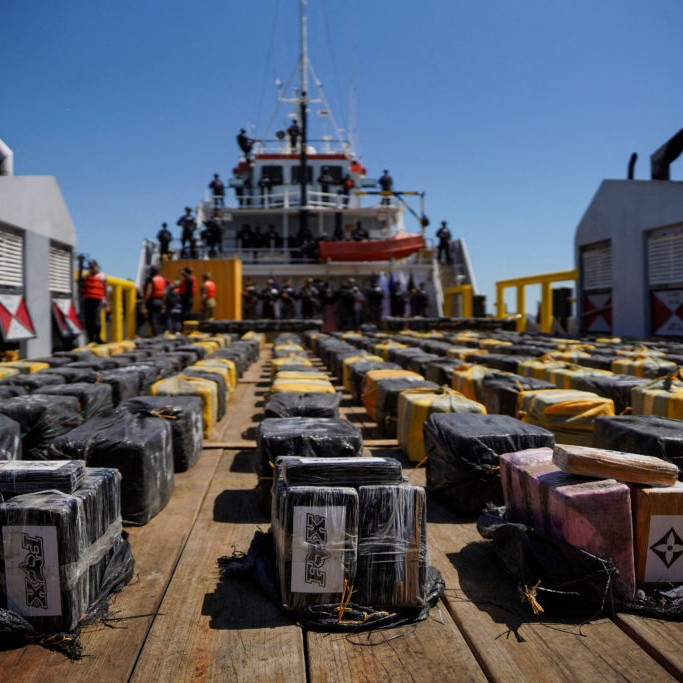
Divers found 330 packages hidden in the ballast tanks, and 10 men were arrested, according to El Salvador’s account, from Colombia, Nicaragua, Panama, and Ecuador. Authorities later allowed access to the seized ship, the FMS Eagle, after it arrived at the port of La Union, where wrapped bundles were lined up on deck.
These are the kinds of scenes politicians love. They are measurable. They are photogenic. They look like control.
The Other Metric, Deaths at Sea
Now set those staged decks and handcuffs against what the US has been showcasing.
In the same week the seizures were announced, the US government reported three strikes against boats suspected of carrying drugs in Latin American waters, leaving 11 people dead, according to the Associated Press report published by PBS NewsHour. Two vessels in the eastern Pacific carried four people each, and another boat in the Caribbean carried three people.
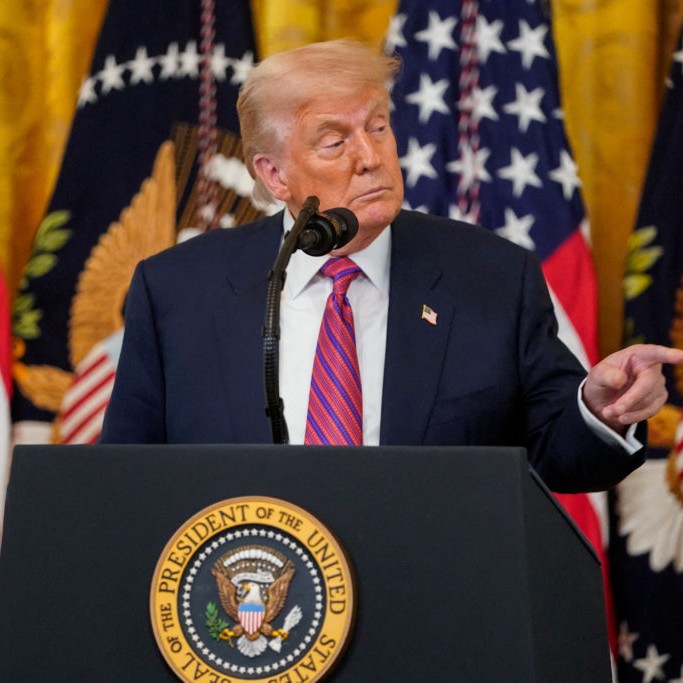
The administration provided images of the boats being destroyed, but it did not provide evidence that the vessels were carrying drugs, the report said. That omission is not a small footnote, because the strikes are being sold as part of an expanding campaign against what the US calls “narcoterrorists.”
The word does a lot of work. It moves the argument from policing to war, and it changes what the public expects to see next. It also changes what partners in the region get asked to tolerate.
According to the same report, at least 145 people have been killed in these strikes since the US government began targeting what it calls “narcoterrorists” last September. The number is large enough to demand scrutiny, even before the question of whether the targets were carrying drugs.
Mexico’s Tightrope, Cooperation With a Side of Dissent
Mexico is stuck in a familiar bind: cooperate, but do not look like a client state.
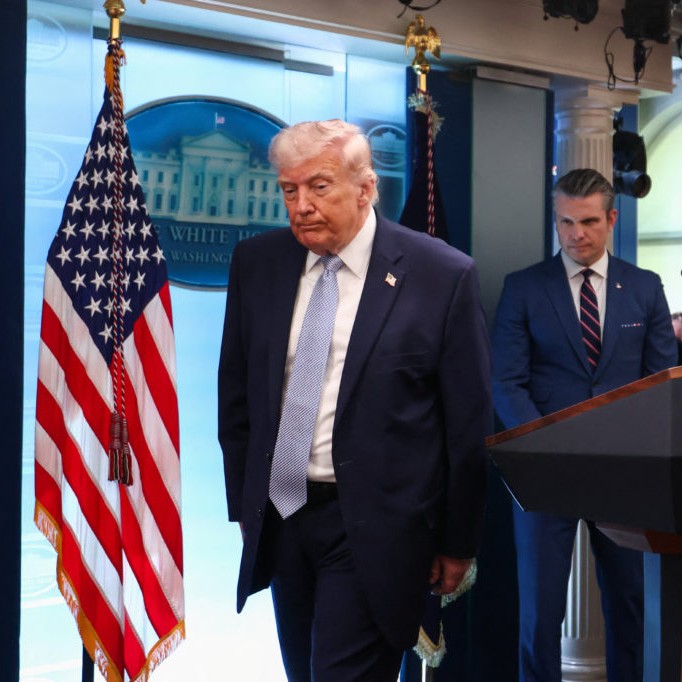
The report describes how the Trump administration has pressured Mexico to make more drug seizures over the past year, with fentanyl trafficking cited as the justification for tariffs on Mexican imports. That kind of leverage turns every interdiction into something more than law enforcement. It becomes a political receipt, offered up to slow down economic punishment.
At home, Mexican President Claudia Sheinbaum has shifted toward a more aggressive posture against cartels than her predecessor, including sending dozens of drug trafficking prisoners to the United States for prosecution, according to the report.
But Sheinbaum has also expressed disagreement with US military strikes in the Caribbean Sea and Pacific Ocean against boats suspected of carrying drugs. That is the contradiction Washington has to manage if it wants both outcomes at once: Mexico playing ball on seizures, while Mexico stays quiet about a campaign that leaves bodies in the water.
In other words, the partnership is operationally close, but politically brittle.
El Salvador’s Mega-Seizure, and the Optics of Control
El Salvador’s 6.6-tonne seizure is being framed as a historic enforcement win, and the country has every incentive to present it that way. A large seizure signals competence, and it reinforces a broader narrative that tough security governance delivers tangible results.
The details also underline how transnational the maritime pipeline remains. The intercepted vessel was registered to Tanzania, and the arrests spanned multiple Latin American countries. That is not a local street crime story. It is supply chain logistics, floating across jurisdictions where accountability is easier to avoid than to pin down.
And that is where the US strikes land like a hammer. If seizures are the legal, evidentiary path, strikes are the shortcut. Both can be pitched as deterrence. Only one reliably preserves the people and paperwork needed to prove what was actually on board.
Receipts vs. Rubble, Why Evidence Is the Real Battlefield
Seizures come with measurable outputs: kilos, packages, suspects, and, eventually, court cases. They allow officials to claim success while still operating inside a system that can, at least in theory, be audited.
Strikes are different. A destroyed boat does not testify. A sunk cargo does not get weighed in front of cameras. The public is asked to accept the classification decision without seeing what intelligence was used, what thresholds were met, and what safeguards existed for misidentification.
That gap is not just a civil liberties concern. It is a strategic weakness. If the US wants regional buy-in, partners will eventually have to answer a question their own publics will ask: if seizures are producing tons of cocaine and arrests, why is the escalation necessary, and why is it happening without transparent evidence?
It is also a policy messaging problem. Washington is pressuring Mexico for visible enforcement wins, while simultaneously running an offshore campaign that is visible mainly for its death toll. Even supporters of a tougher line can see how the optics split.
What Happens Next, Watch the Diplomacy, Not the Deck Photos
The next chapter is likely to be written in three places at once: tariff talks, military briefings, and the quiet mechanics of intelligence sharing.
If seizures continue at this pace, Mexico will keep pointing to tonnage to show compliance and competence. El Salvador will keep leaning on big-bust imagery to burnish its security brand. The US, having already publicized a body count since last September, will face mounting pressure to explain standards and oversight as strikes continue.
The biggest tell may not be a new seizure number. It may be whether Mexico and other partners start attaching conditions to cooperation, or whether they keep accepting a role where the evidence is displayed on decks, but the most consequential decisions are made over the horizon.