

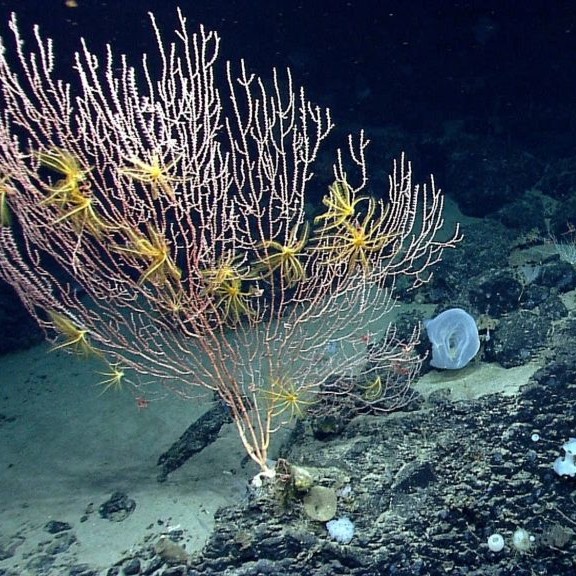
The Northeast Canyons and Seamounts Marine National Monument is nearly 5,000 square miles of federally protected Atlantic water, and it just got dropped back into the middle of a Washington tug-of-war that has never really ended.
What You Should Know
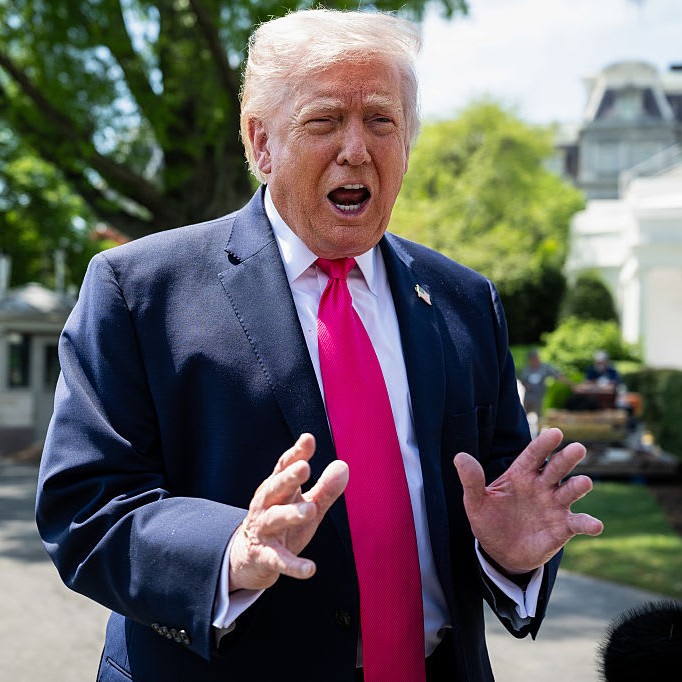
On February 6th, 2026, President Donald Trump issued a proclamation reopening the Northeast Canyons and Seamounts Marine National Monument off New England to commercial fishing. Industry groups praised the move, while environmental organizations said they plan to challenge it.
The monument, created by President Barack Obama and later targeted by Trump during his first term, sits east of Cape Cod. It has become a symbol in a bigger argument over who gets to control U.S. ocean policy, and which voices get heard when economics collide with conservation.
A Protected Patch of Ocean With Big Political Value
According to the Associated Press report published by PBS News, Trump signed a proclamation reopening commercial fishing in the Northeast Canyons and Seamounts Marine National Monument, a protected area in the Atlantic Ocean off the New England coast.
Obama created the monument as a way to protect deep-sea canyons, undersea corals, and a rare ecosystem in U.S. Atlantic waters. Trump rolled back protections in 2020, and Biden later restored them. Now Trump is back, and so is the rollback.
In the proclamation, Trump argued the government can have it both ways. The president wrote that he believed “appropriately managed commercial fishing would not put the objects of historic and scientific interest that the monument protects at risk.”
Trump Is Selling Deregulation, With a Side of Local Politics
Trump has framed the move as part of a wider push to boost U.S. fishing and reduce rules. The AP report said he signed a broader order earlier in 2026 directing the federal government to reduce the regulatory burden on fishermen in the coming weeks.
The White House, in a fact sheet, pitched the policy as help for Maine. It said the move would “support the vital Maine lobster industry by ensuring unfettered access to the coastal waters of the United States.”
There is a geographic wrinkle that critics are likely to keep poking. The monument is not off Maine. It is southeast of Cape Cod, and it is hundreds of miles from the lobster docks that usually dominate Maine politics.
That mismatch does not make the politics any smaller. It arguably makes it sharper. When Washington fights are broadcast as local survival stories, the words matter, the map matters, and the receipts matter.
Fishing Companies Hear Opportunity, Not Ecology
Commercial fishing groups have pushed for years to reopen the monument to fishing, and they celebrated the proclamation.
John Williams, president and owner of the Atlantic Red Crab Company in New Bedford, Massachusetts, framed the monument restrictions as punishment. “We deserve to be rewarded, not penalized,” Williams said, according to the AP report. He added, “We’re demonstrating that we can fish sustainably and continue to harvest on a sustainable level in perpetuity.”
That is the industry case in a nutshell: the fleet says modern management can control effort, avoid harm, and keep jobs alive. The monument restrictions, in that telling, are blunt-force politics that ignore what fishermen say they have already proven on the water.
Environmental Groups See a Pattern, and They Are Talking Court
Environmental organizations responded as if they had seen this movie before, because they have. The same legal and policy arguments have been cycled through multiple administrations, with each side acting like the last round should have settled it.
Gib Brogan, a fisheries campaign director at Oceana, said the monument was designed for protection, not bargaining. “The Northeast Canyons and Seamounts Marine National Monument was created to provide strong protections for the wide range of marine life that live in these unique habitats,” Brogan said, according to the AP report.
Some groups have said they intend to fight the reopening in court. That is not an abstract threat. Conservation groups have challenged other Trump-era changes to marine protections, including disputes involving the Pacific Islands Heritage Marine National Monument. In at least one case involving that Pacific monument, a judge blocked commercial fishing, underscoring that these fights do not stay in press releases.
The Real Contest Is Over Who Gets the Benefit of the Doubt
Strip away the slogans, and the core conflict is simple. The fishing industry is asking to be trusted with access, with the government acting as referee. Environmental advocates are asking the government to keep certain areas off-limits precisely because some damage cannot be easily reversed once it happens.
Trump is leaning hard into the premise that regulation is the bigger threat, and that fishermen, properly managed, are a safer bet than blanket bans. His critics argue that the monument was created because some places are exceptional, and exceptional places should not be treated like ordinary fishing grounds.
The rhetorical clash also carries real power dynamics. A proclamation is not a quiet policy tweak. It is an executive action that signals who has the ear of the White House, and who is being asked to settle for the courts.
What Happens Next Is Not Just About Fish
Expect the next phase to turn on administrative details and legal interpretation. Opponents are likely to argue that the monument designation was meant to lock in protections that a president should not casually loosen. Supporters are likely to argue that management tools, gear rules, and enforcement can protect sensitive features while still allowing commercial harvest.
Meanwhile, the politics will keep humming. Trump has long portrayed the monument as an unfair penalty on commercial fishermen. Conservation advocates, citing vulnerable corals and unique deep-sea habitats, are likely to keep arguing that the whole point of a marine monument is to draw a bright line, not negotiate a moving one.
One more thing to watch is how the administration talks about the beneficiaries. The monument sits off Massachusetts, and the White House messaging has highlighted Maine. If litigation advances, the public record will likely clarify who is expected to fish there, what they target, what rules will govern access, and how the administration measures “appropriately managed” in practice.
References
- PBS News: Trump Ends Obama-Era Restrictions on Commercial Fishing in Protected Area Off New England
- The White House: Fact Sheet, President Donald J. Trump Unleashes Commercial Fishing in the Atlantic
- PBS News: The Policy Goals Trump Is Delivering to His Base During the Pandemic
- PBS News: Watch Live, Biden Delivers Remarks on Protecting Americas Outdoor Spaces in Vail, Colorado
- PBS News: How a Case Involving a Small Fish Could Have Big Implications for Federal Regulations