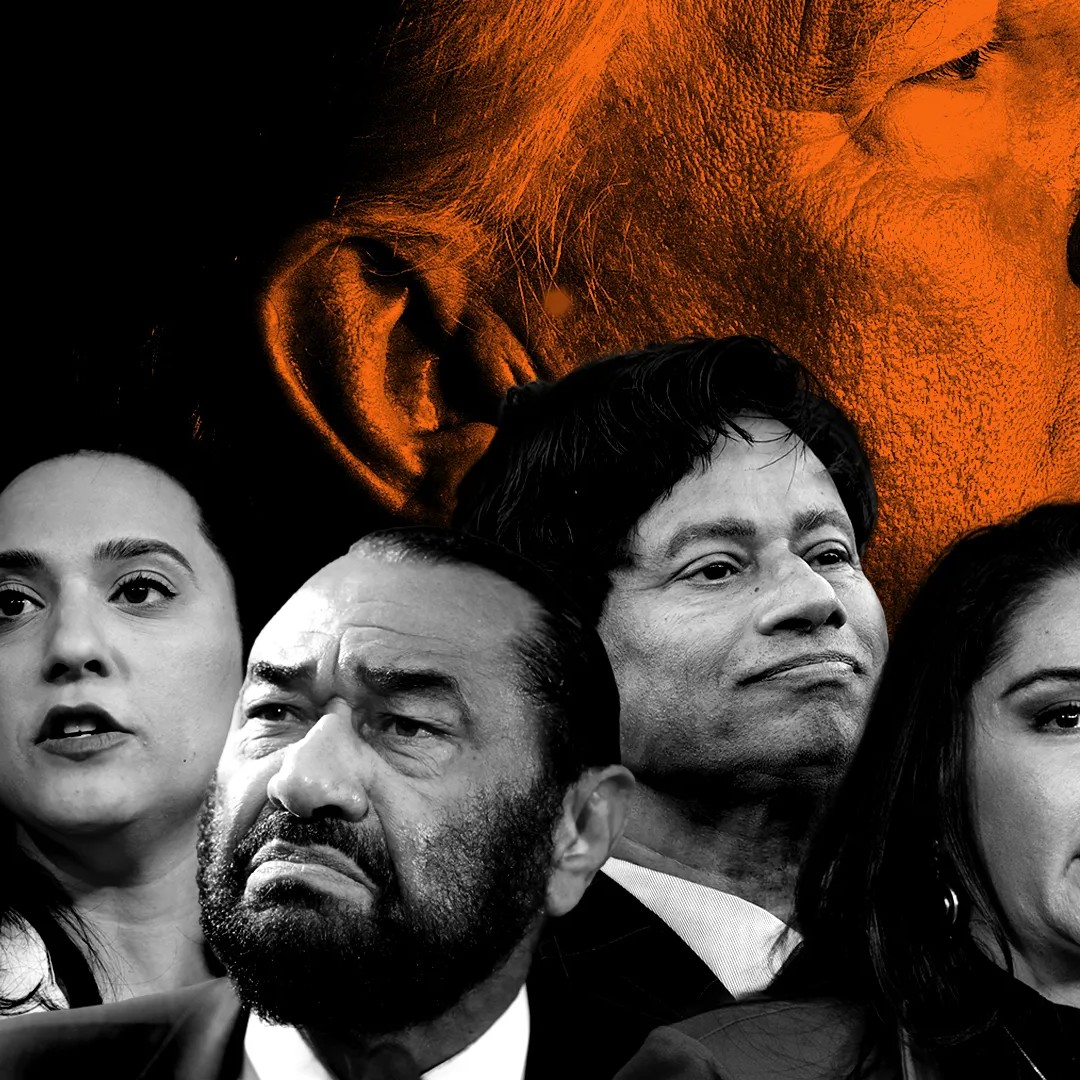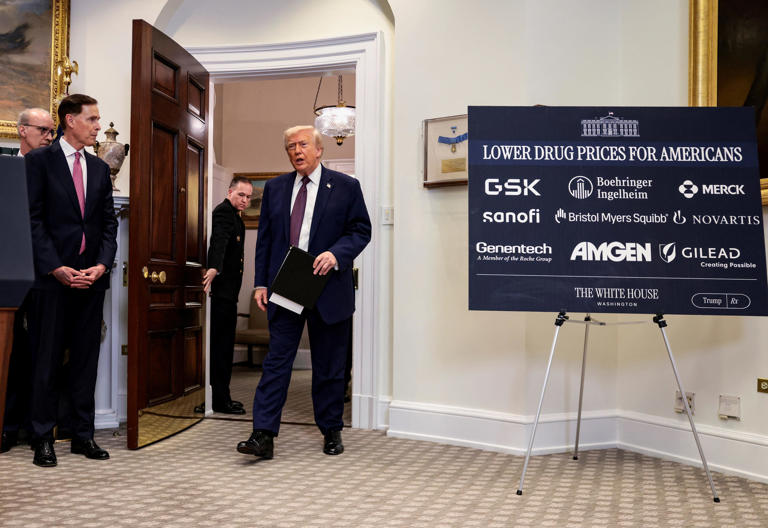


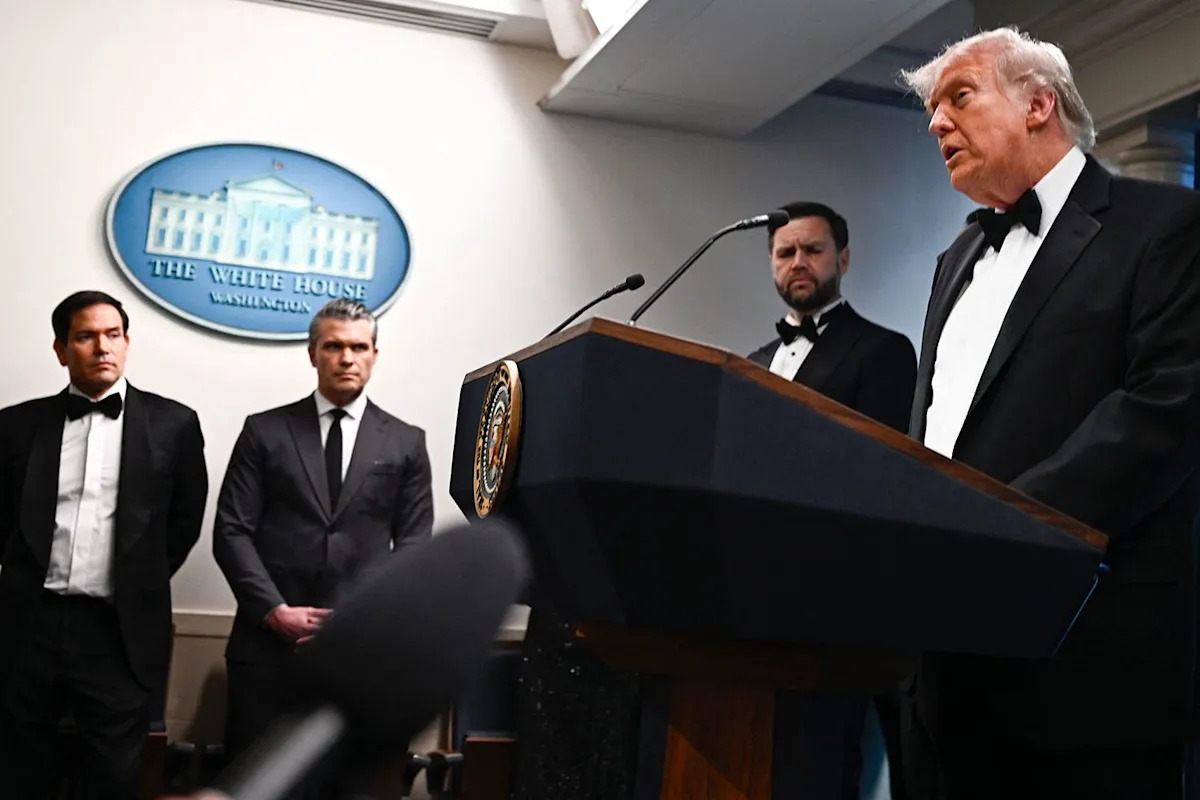
Washington loves a packed room, a bright stage, and a single photo that says everybody is in charge. Continuity planners see the same picture and start counting exits, choke points, and how fast a crisis can turn a ceremonial night into a succession drill.
What You Should Know
Federal law and the Twenty-Fifth Amendment govern presidential succession and incapacity. Separately, the Department of Homeland Security can designate certain major events as National Special Security Events, triggering a larger, integrated federal security footprint.
The tension is not abstract. The line of succession is built around specific people, and Washington culture keeps putting many of those people in the same places, at the same times, for political rituals, media showcases, and donor-heavy gatherings.
On paper, the United States has answers for the worst day. In practice, the worst day rarely shows up at a bunker door with an appointment, and the government is often trying to preserve both leadership and normal life in the same frame.
Succession Is Law, and it Is Also Logistics
The Presidential Succession Act places the Speaker of the House and the President pro tempore of the Senate high in the order, ahead of Cabinet officers such as the Secretary of State. That is a constitutional and political choice, and it also creates an operational question: Where are those officials, and how protected are they?
Even when the chain is legally clear, the handoff depends on communications, medical assessments, and security control at the exact moment things go sideways. The law can tell you who is next. It cannot widen a hallway, clear a ballroom, or stop multiple protectees from converging behind the same velvet rope.
The NSSE Label Changes the Size of the Machine
That is where the NSSE concept matters. According to the Department of Homeland Security, NSSE designation brings a coordinated federal approach, including integrated planning and a unified security architecture built for high-consequence crowds.
Events without that designation can still be heavily secured, but the posture is not automatically the same. The difference shows up in who is in charge, how intelligence is fused, how screening scales, and how fast decision-making can move when more than one protected principal is involved.
Designated Survivors, Public Rituals, and Real Risk
The Cold War era normalized a blunt idea: do not put the whole leadership class in one place. The modern version is the designated survivor, the Cabinet member kept away from events like the State of the Union, so someone is standing if the unthinkable happens.
Incapacity planning is similarly formalized. The National Archives text of the Twenty-Fifth Amendment includes the trigger phrase, “Whenever the President transmits to the President pro tempore of the Senate and the Speaker of the House of Representatives his written declaration that he is unable to discharge the powers and duties of his office.” That sentence reads calm, but it assumes the people who receive it are reachable, functioning, and not caught in the same incident.
The next fight is not about whether Washington should stop gathering. It is about whether the city will keep staging maximum-visibility moments without treating concentration of leadership as a predictable vulnerability. Watch for whether future high-profile events spread out the succession list, upgrade their security designation, or quietly accept the risk as the price of being seen.