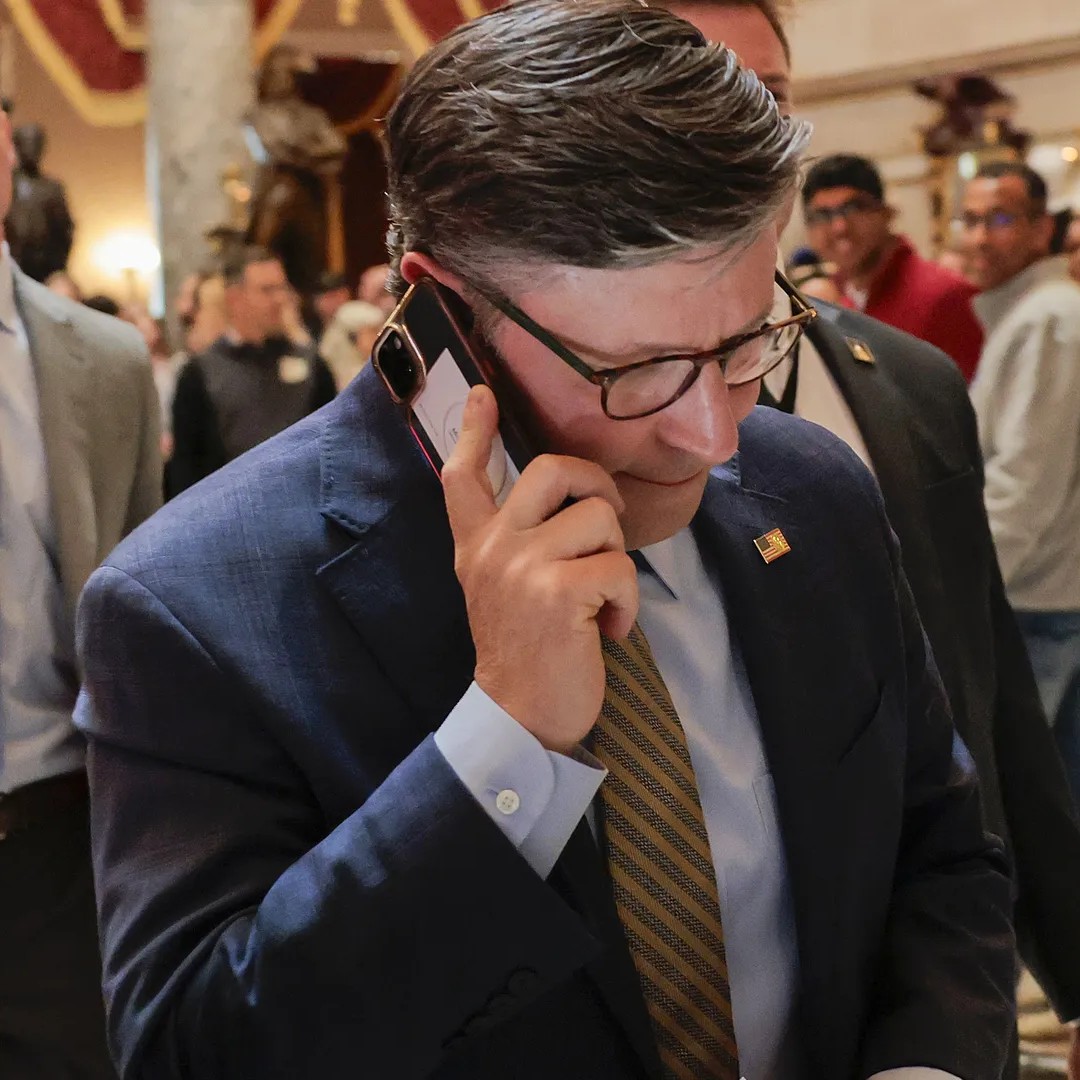
Mike Johnson has made a habit of surviving the kind of week that ends other speakers. Now, he is heading into another test with three big votes, a thin margin, and a Republican conference that is signaling it might not take marching orders, even from Donald Trump.
What You Should Know
Speaker Mike Johnson is facing a packed pre-recess stretch with major votes, including a Senate-passed budget resolution tied to parts of the Department of Homeland Security. Some House Republicans are signaling they may defy Trump, complicating Johnson’s vote-counting.
Axios framed it as Johnson’s “hell week,” a blunt shorthand for the speaker’s real job: stitching together a majority out of factions that often agree on what they hate and disagree on what they will actually vote for.
Johnson’s Vote-Counting Problem Has a New Wild Card
Johnson has leaned on Trump as a closer when conservatives threaten to tank a rule, a bill, or leadership itself. The tension now is that Trump can still dominate the party’s messaging, but he cannot always dictate members’ red lines.
Reuters has reported repeatedly on the House GOP’s internal splits over spending, surveillance, and immigration policy, and those fractures tend to surface right before recess deadlines, when leadership wants fast votes, and members want leverage.
Warrants, DHS Money, and a Conference That Wants Receipts
Axios reported that Johnson’s biggest headache may be the Senate-passed budget resolution to fund parts of the Department of Homeland Security, which instantly collides with conservatives who want policy concessions, not just topline numbers.
One line from Rep. Tim Burchett captured the posture: “If you’re not going to have warrants, I’m not going to play ball,” he told Axios, tying cooperation on DHS-related voting to surveillance and warrant standards.
The underlying fight is familiar. The Foreign Intelligence Surveillance Act is a real law with real authorities, and debates over warrants are not rhetorical flourishes. The statute is rooted in the framework Congress enacted in 1978, and subsequent expansions and renewals have repeatedly triggered bipartisan civil-liberties pushback and national security warnings.
Scalise Says the Meeting Helped, but the Leverage Remains
Majority Leader Steve Scalise tried to project control, telling Axios a Wednesday night meeting “resolved a lot of the issues” members had. Even if that is true, resolution in the House often means the argument moved, not that it disappeared.
Johnson’s risk is simple: if members learn that threatening to defect forces Trump and leadership to negotiate, the tactic spreads. If Trump learns he cannot always close, his leverage drops in the one place that turns messaging into actual law, the House floor.
What to watch is not just which bills pass. It is who gets concessions, who takes the blame, and whether Johnson walks out with a win that looks like unity or one that advertises how conditional his majority has become.