

In the Strait of Hormuz, the weapons are small, cheap, and hard to see. The bill, however, is global. Now, U.S. officials say Iran just added more mines to a waterway where the real leverage is not territory, but panic.
What You Should Know
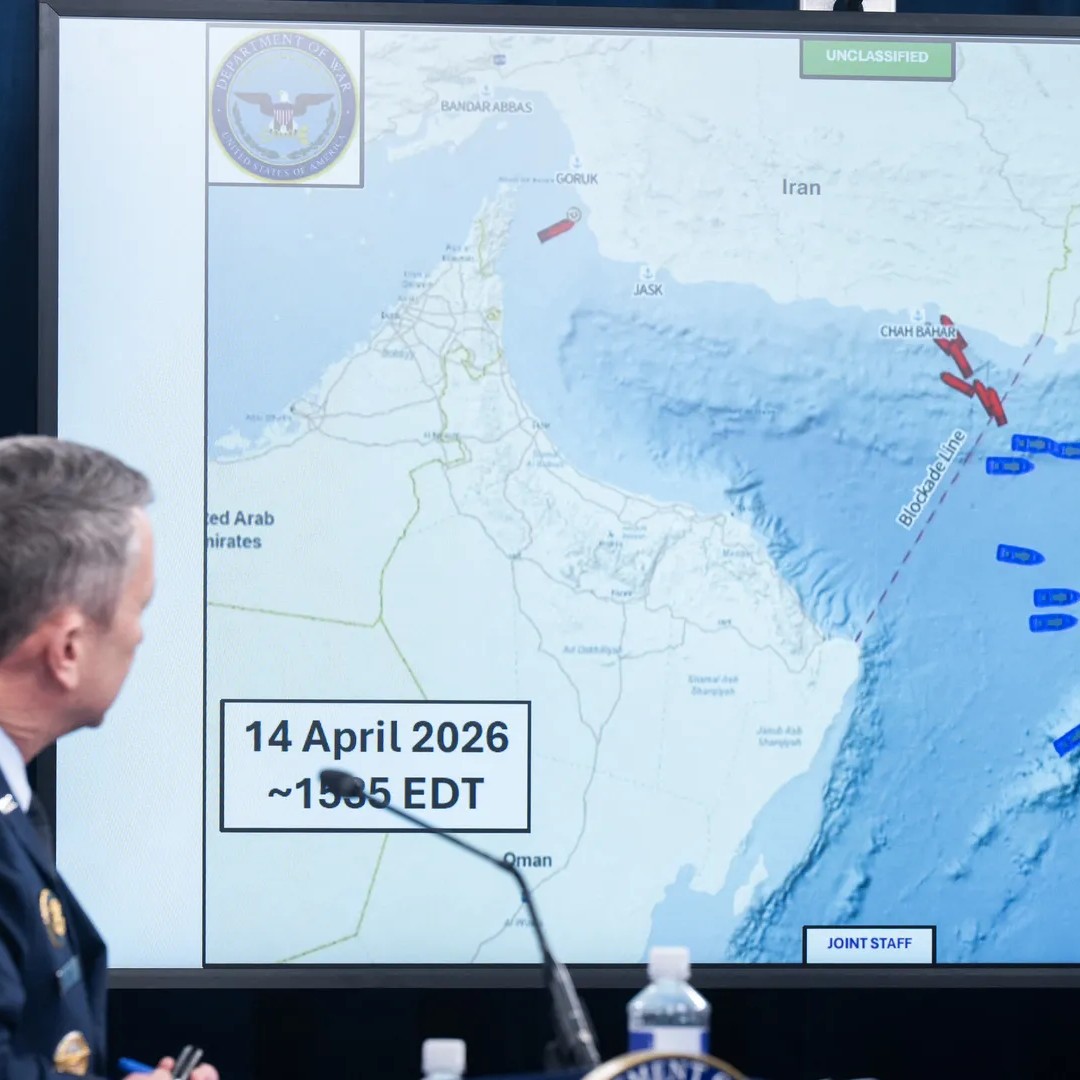
Iran’s IRGC navy laid additional mines in the Strait of Hormuz during the week of April 20th, 2026, according to U.S. officials cited by Axios. The U.S. has deployed more naval assets, including underwater drones for mine-clearing, as traffic through the strait has dropped.
The report, from Axios, lands in the middle of a tightening standoff: Iran signaling it can choke a vital oil corridor, and the U.S. signaling it can hunt, clear, and punish without blinking.
Mine’s Turn a Waterway Into a Pressure Cooker
Axios reported that the Islamic Revolutionary Guard Corps’ navy laid more mines in the strait, citing a U.S. official and a source with knowledge of the issue. The U.S. military detected the operation and has been tracking it closely, according to the same report.
Why mines? Because you do not need to sink a lot of ships to freeze a shipping lane. You just need owners, insurers, and captains to believe the next hull could be theirs.
In peacetime, roughly 20% of the world’s seaborne petroleum moves through Hormuz, according to the U.S. Energy Information Administration. That makes the Strait less like a regional border and more like a global valve.
The U.S. Response Is Visible, but the Timeline Is Not
Axios also reported that the aircraft carrier USS George H.W. Bush and its strike group arrived in the U.S. Central Command area of responsibility on April 23rd, 2026. U.S. officials told Axios the Navy is operating underwater drones in the strait for mine-clearing operations.
That combination, a carrier overhead and drones below, is a message of capability. It is also a bet that detection and deterrence can stay ahead of the simplest weapon on the menu.
The other datapoint is the one shipping markets obsess over. Axios said daily traffic has collapsed to single digits on most days, down from more than 100 ships daily. Even without a confirmed strike, reduced traffic means higher costs, longer routes, and more room for miscalculation.
Oil Stakes, Political Stakes, and a Quote That Does Not Age Well
Axios said the International Energy Agency has already described the current shock as the “largest oil supply disruption in the history of the global market.” If that framing holds, mines become more than a military problem. They become a bargaining chip that touches gasoline prices, inflation, politics, and any government trying to look in control.
What happens next is not just whether the U.S. clears mines. It is whether Iran keeps laying them, whether commercial shipping tests the lane in meaningful numbers, and whether a single incident forces everyone’s hand.