

Donald Trump has a talent for turning foreign policy into a domestic sales pitch. The hook is simple: Iran, pressure, deadlines, and consequences. The fine print is where bridges and power plants enter the story.
What You Should Know
Trump withdrew the United States from the 2015 Iran nuclear deal on May 8th, 2018, and reimposed sanctions. In public remarks, he argued the agreement was structurally flawed and framed maximum pressure as leverage for a tougher replacement.
Iran has been one of Trump’s most reliable backdrops for projecting strength, and it doubles as a prop for his America First argument that money and attention should flow to domestic priorities. That pairing sounds clean on a rally stage. It gets messier when you line it up against the paper trail.
The Iran File Comes With Receipts
On May 8th, 2018, Trump announced the U.S. exit from the Joint Comprehensive Plan of Action, the Obama-era agreement that limited Iran’s nuclear activities in exchange for sanctions relief. According to BBC News, the move put Washington at odds with European allies who wanted to keep the deal alive.
Trump’s own words, preserved in the Trump White House Archives, were blunt about why he wanted out. He said, The Iran deal is defective at its core.
The power dynamic in that line was the point. A U.S. president was telling allies, rivals, and Tehran that the old bargain was over, and that Washington would attempt to write the next chapter with sanctions, isolation, and deterrence.
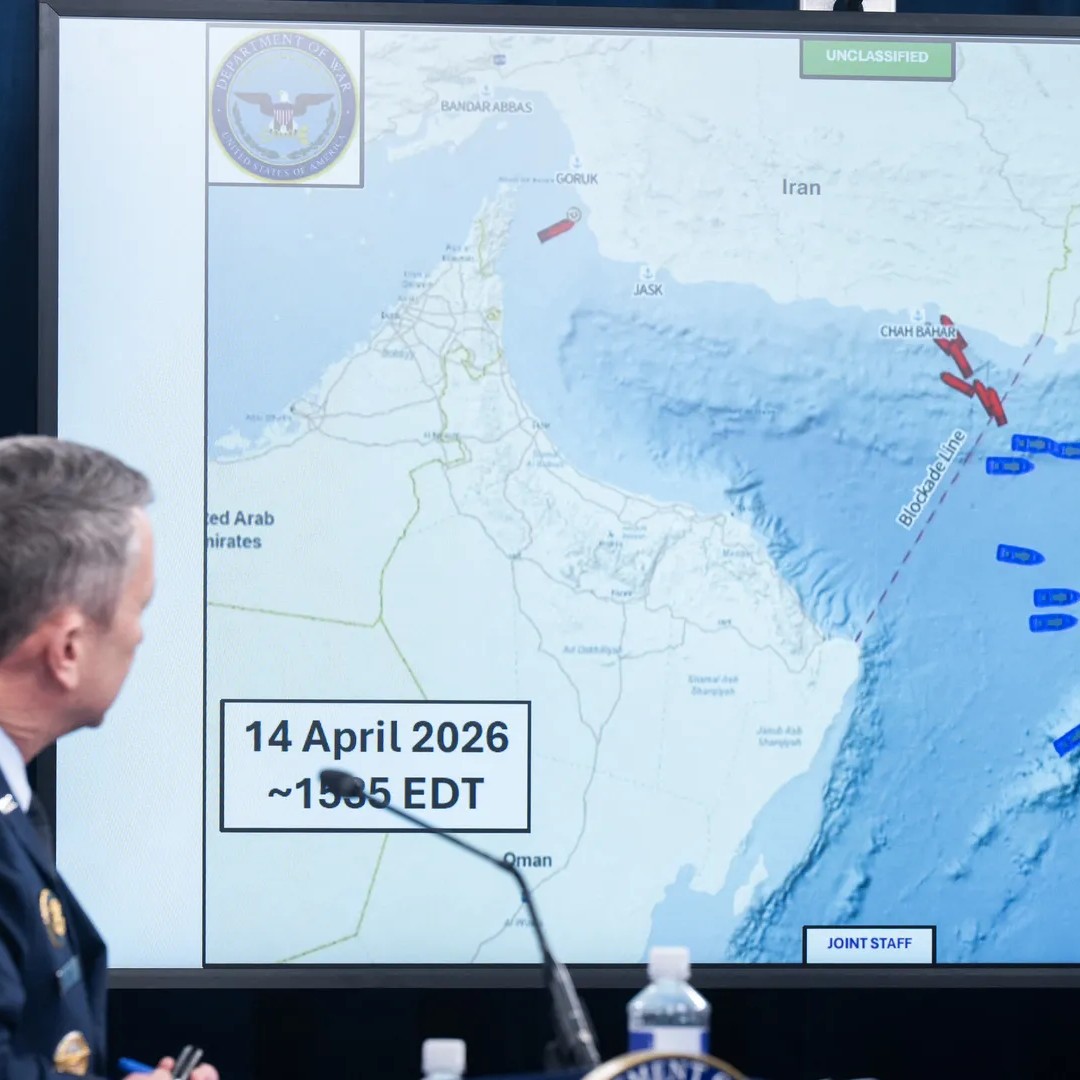
However, maximum pressure has never been a cost-free slogan. Every escalation cycle in the Gulf carries a predictable list of risks: attacks on U.S. personnel, threats to shipping lanes, oil price volatility, and a constant question for Washington about how far to go, and who pays, if things slide.
Meanwhile, the Home Front Keeps Aging
This is where the bridges and power plants line the land, because it is politically potent. Americans can see potholes, cracked overpasses, and an electric grid that can be fragile in extreme conditions. It is a pocketbook argument disguised as a national strategy.
At the same time, domestic rebuilding has a track record of colliding with reality. Big infrastructure ambitions require Congress, multi-year appropriations, environmental reviews, and coordination with states and utilities. The calendar does not move faster because a candidate says it should.
That contradiction is the whole tension: foreign policy is one person, one microphone, and one headline. Infrastructure is committees, contracts, and timelines that stretch beyond a single term. If Trump tries to fuse Iran pressure with a domestic rebuild pitch again, the question is not whether the line will draw applause. It is whether the governing math will cooperate.
What to watch next is which parts become concrete: formal commitments, specific funding numbers, and actual legislative strategy. Until then, Iran remains the tough-talk arena, and the bridges and power plants remain the proof-of-delivery test.