

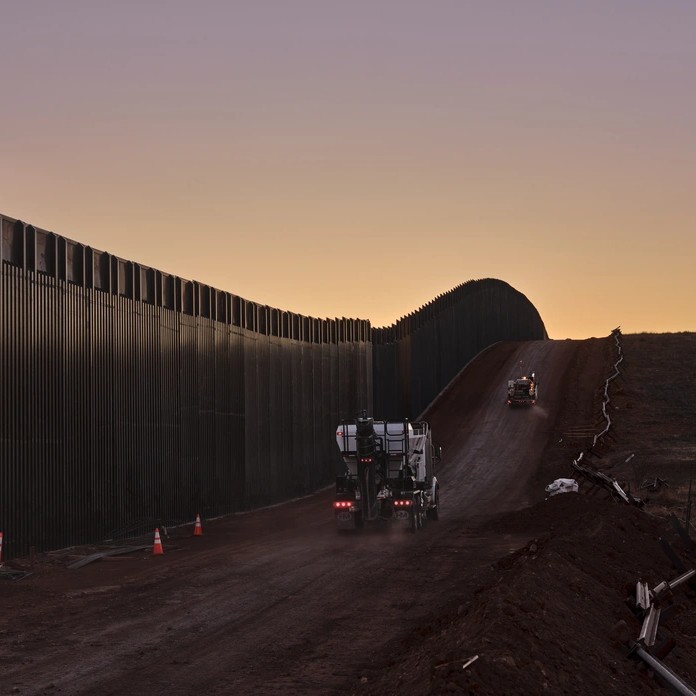
They are literally blasting a path through a national park, and the louder fight is still happening hundreds of miles away on city streets.
What You Should Know
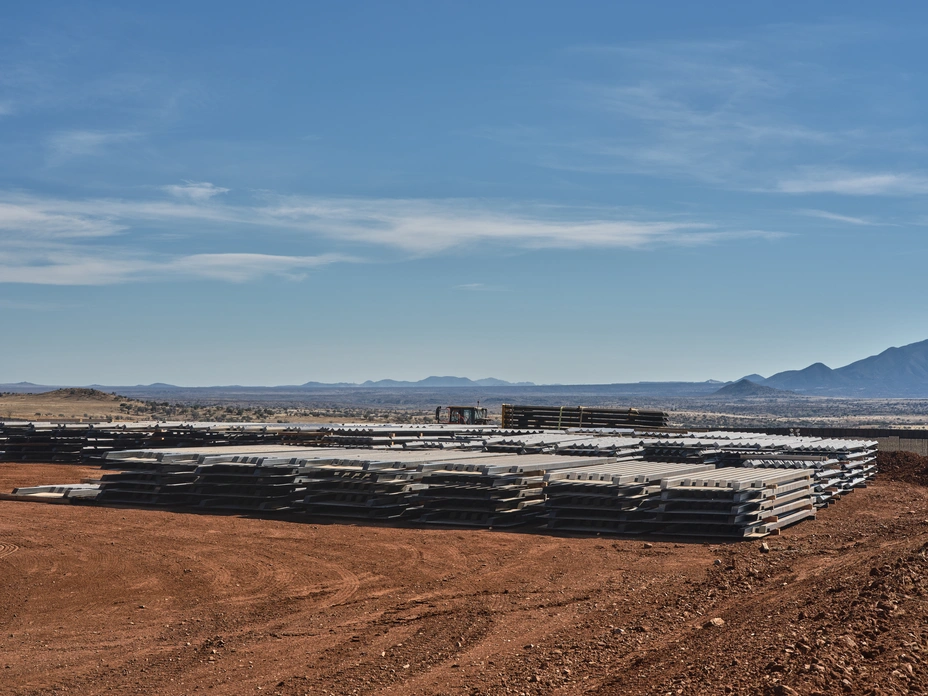
Construction crews are building a new 30-foot-tall border barrier in southeast Arizona near Coronado National Memorial. The Atlantic reported that CBP is planning major expansion, including technology add-ons and double-layer fencing, backed by new funding and DHS waivers.
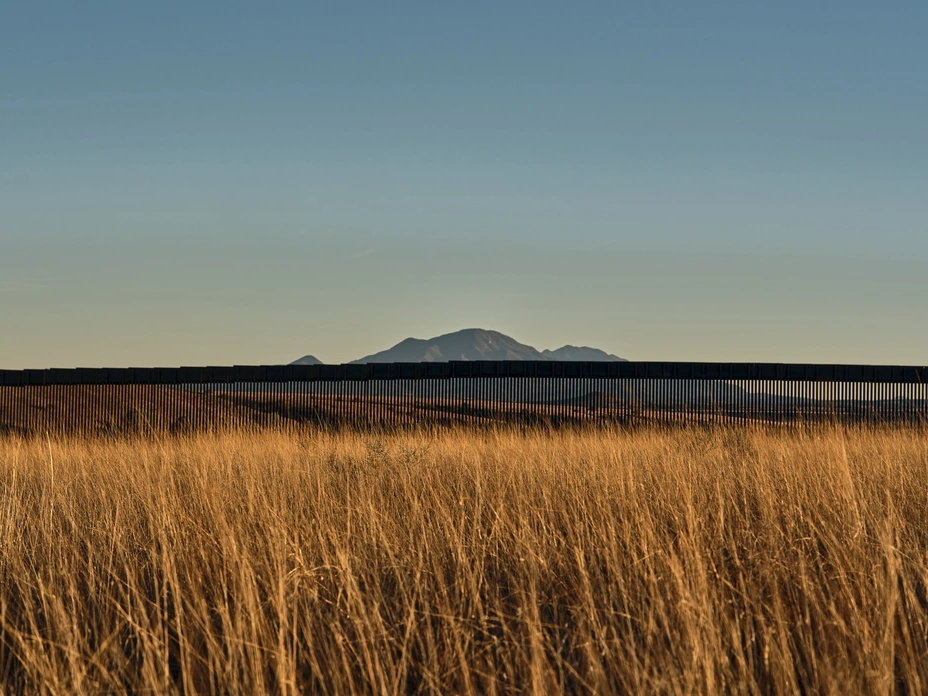
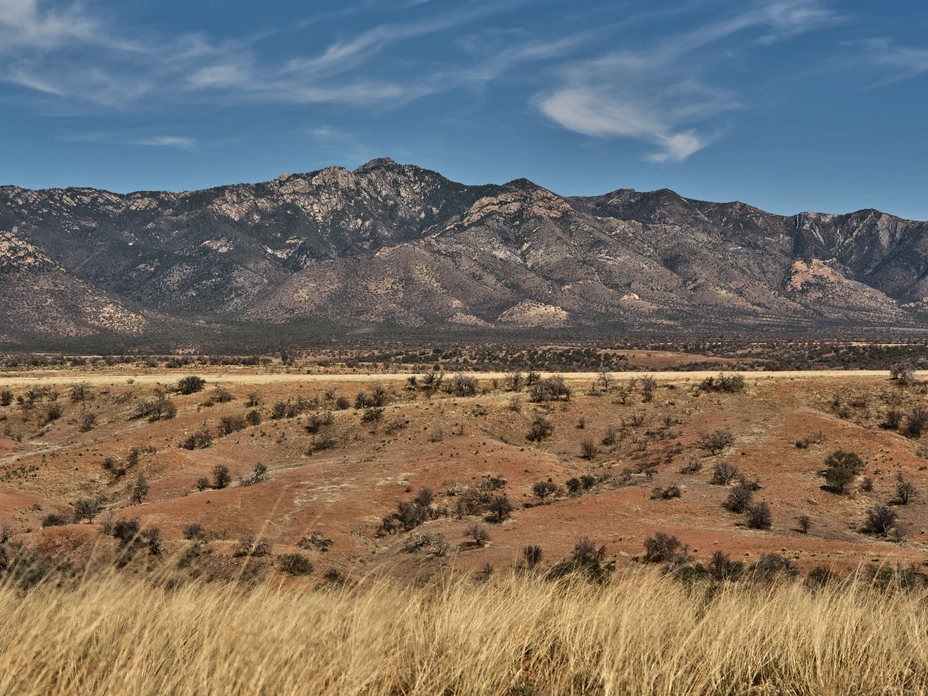
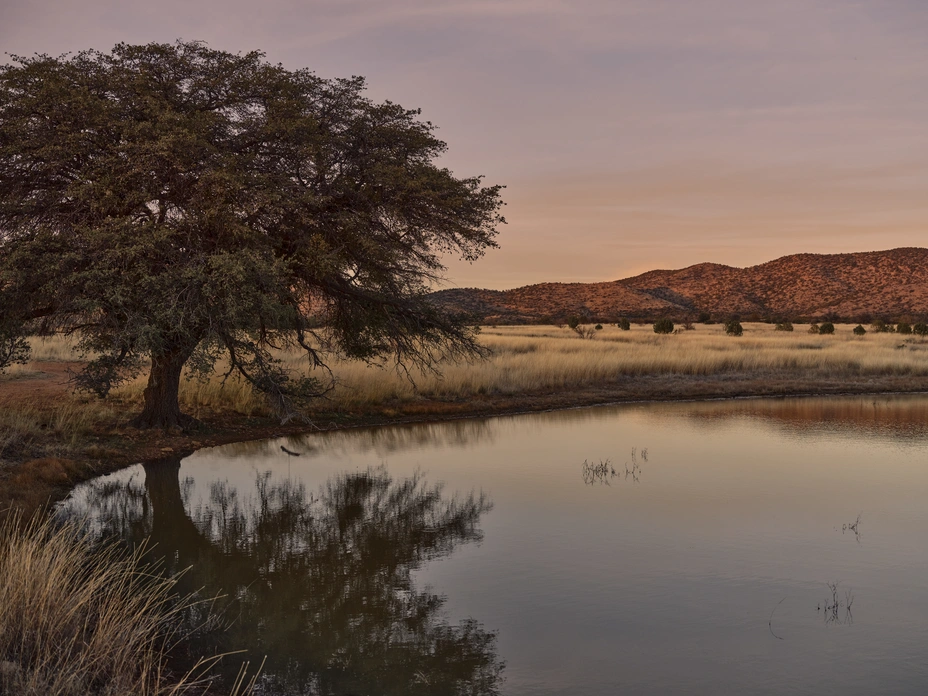
The specific flashpoint is the San Rafael Valley, a wide-open stretch of grassland along the U.S.-Mexico border that The Atlantic described as one of the last unwalled pockets in Arizona. The new barrier there is painted jet black, a detail that The Atlantic attributed to President Trump’s preference.
The Money Changed the Map
In his first term, Trump spent about $11 billion to build roughly 450 miles of border barrier, The Atlantic reported, and the project helped trigger a 35-day federal shutdown that ended in January 2019. The New York Times and BBC News both reported that the shutdown was the longest in U.S. history.
The Atlantic also reported that the new funding totals $46.5 billion, a figure that can make terrain objections feel optional rather than decisive. Even Trump allies have historically argued the math gets ugly fast in steep mountains, and former Homeland Security Secretary John F. Kelly was quoted as calling a coast-to-coast wall “from sea to shining sea” unrealistic in remote stretches.
Smart Wall, Old-School Waivers
CBP, the DHS component that awards the construction contracts, has outlined plans for about 1,200 additional miles of steel barrier, The Atlantic reported, branding it a Smart Wall with cameras, lighting, and sensors. The plan includes double-layer fencing, with parallel barriers and a road in between, across more than 600 miles, much of it in Arizona.
Then there is the legal toolkit that keeps projects moving. The Atlantic reported that DHS has issued waivers that exempt construction from certain environmental laws and other protections, and that planned routes could cut through tribal lands, including the Tohono O’odham Nation’s territory that was previously exempted.
Why the Quiet Matters
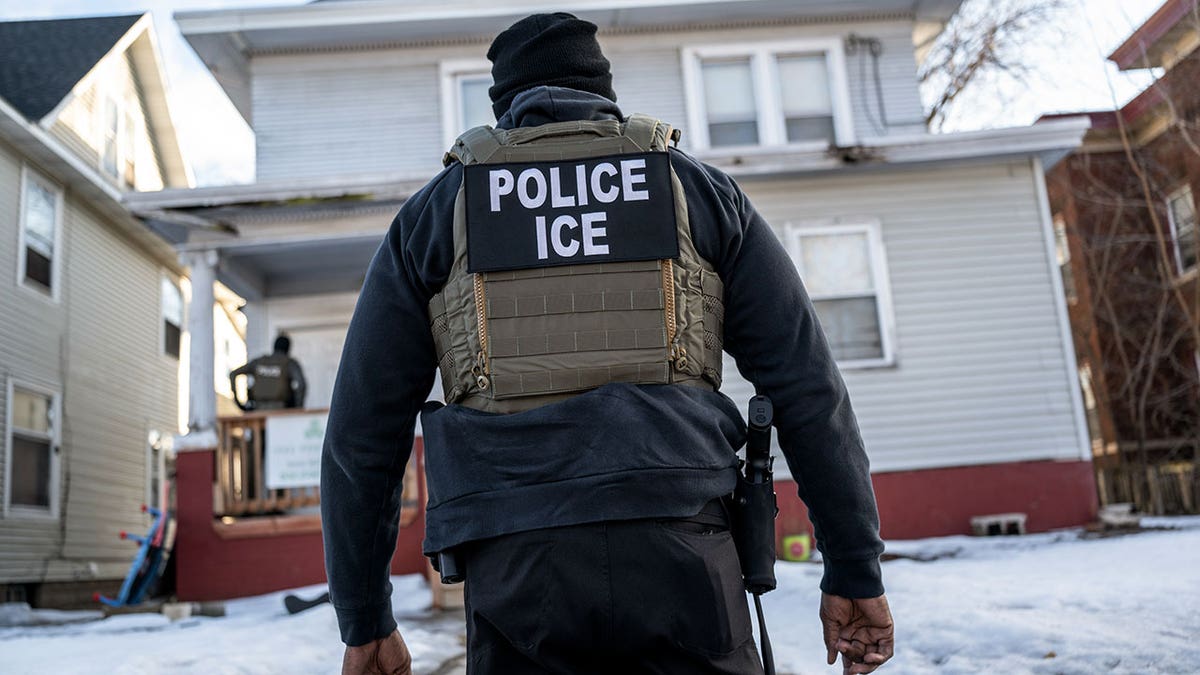
One reason the San Rafael work can accelerate is that the national immigration debate is consuming itself elsewhere. The Atlantic noted that attention has been focused on ICE enforcement in U.S. cities, leaving fewer protests, fewer cameras, and fewer pressure points near the bulldozers.
That silence creates its own power play: wall construction becomes both policy and stagecraft, including high-profile visits that turn steel into a backdrop for agency leaders whose jobs are on the line. If CBP keeps awarding contracts at the pace described in its plans, the next fight is likely to play out in court filings, appropriations battles, and the landscapes that cannot be rebuilt once blasting starts.