Two shootings. One fatal. Nearly 3,000 federal immigration agents in the same metro area. Now, a presidential threat that pulls a rarely used law off the shelf and puts Minnesota on notice.
President Donald Trump said he may invoke the Insurrection Act as protests swell in Minnesota following shootings involving federal immigration enforcement agents, according to CBS News. The result is a three-way collision of street outrage, courtroom friction, and a White House eager to show force.
The Threat That Changes the Temperature Fast
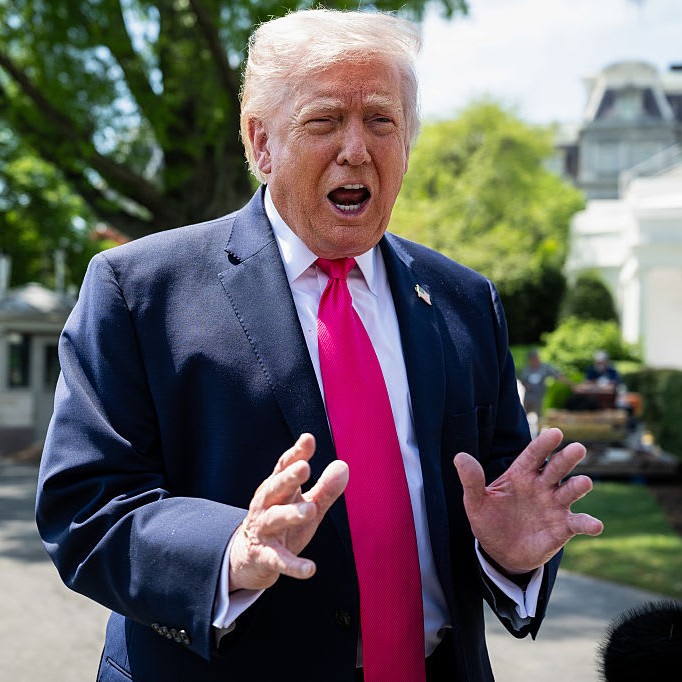
On Thursday, Trump threatened to invoke the Insurrection Act, which can allow a president to deploy troops or federalize the National Guard under specific circumstances. CBS News reported the warning came as protests intensified in Minnesota after two shootings involving federal immigration enforcement agents, with one death.
Trump has floated the idea before. CBS News noted he has repeatedly threatened to invoke the law to deploy the U.S. military or federalize the National Guard for domestic law enforcement, including over objections from governors.
And this time, he put the threat in blunt, combative language on social media.
“If the corrupt politicians of Minnesota don’t obey the law and stop the professional agitators and insurrectionists from attacking the Patriots of I.C.E., who are only trying to do their job, I will institute the INSURRECTION ACT, which many Presidents have done before me, and quickly put an end to the travesty that is taking place in that once great State,” Trump wrote, according to CBS News.
What Sparked the Minnesota Protests
The immediate flashpoints are two separate shooting incidents involving federal immigration enforcement in Minnesota, as described in CBS News coverage.
CBS News reported that an ICE officer shot a Venezuelan national in the leg on Wednesday night in north Minneapolis. Three U.S. officials told CBS News the officer was allegedly attacked by men with a shovel and a broom handle. The word “allegedly” matters here. This account is attributed to officials, and the circumstances will be central to any investigation or prosecution.
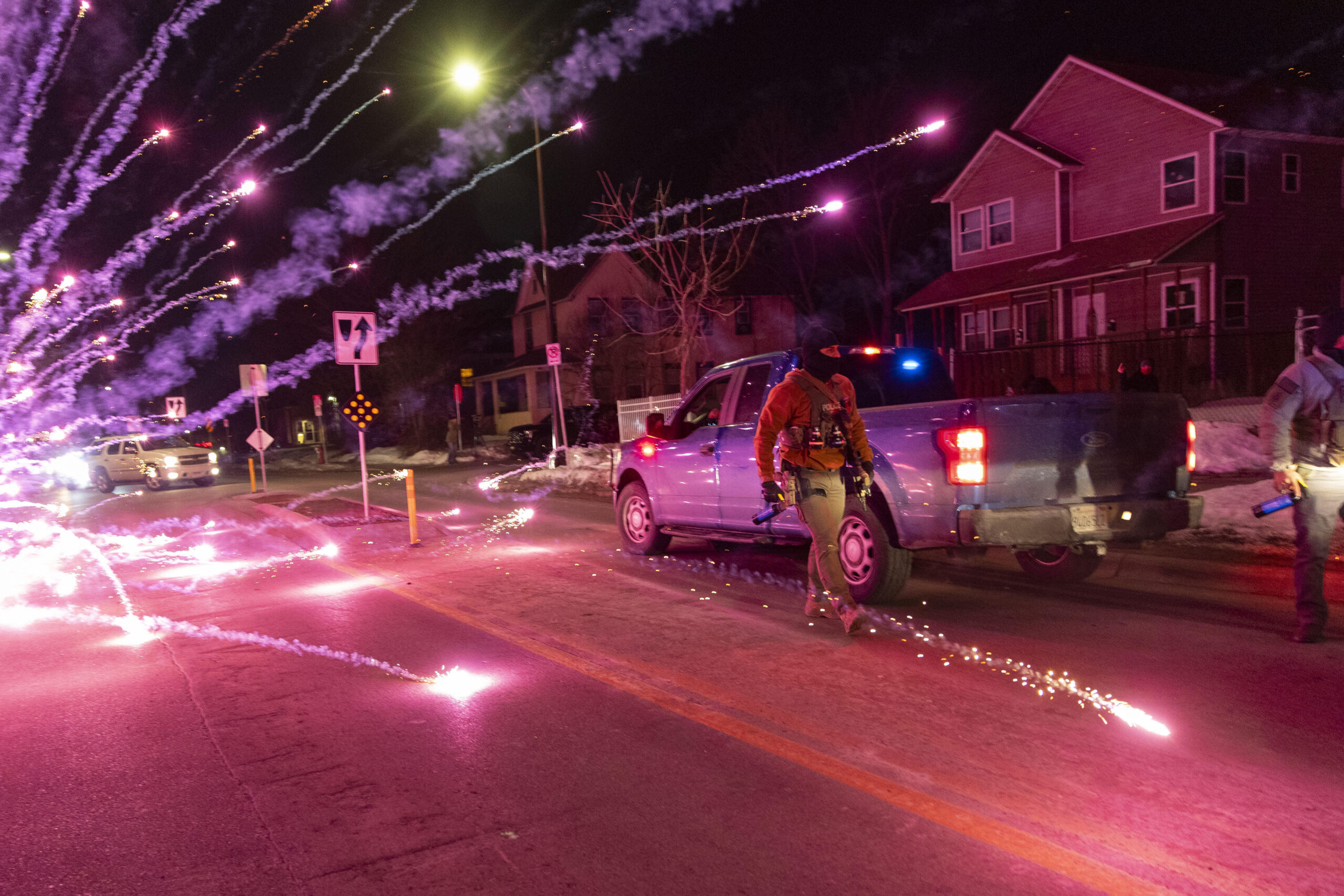
A week earlier, CBS News reported that an ICE agent fatally shot Renee Nicole Good. The CBS News photo caption from January 14 described federal agents using tear gas and pepper balls during protests in Minneapolis as tensions rose following a shooting involving federal law enforcement.
Together, the incidents have created a combustible question that neither the White House nor state leaders can dodge. Who controls the response when federal enforcement meets local backlash, and then turns into a public order crisis?
Operation Metro Surge and the Numbers Behind the Show of Force
Beyond the shootings, the scale is part of the story. CBS News reported the Department of Homeland Security says there are now nearly 3,000 ICE and U.S. Customs and Border Protection agents and officers deployed in the area.
That figure matters because it changes the political optics and the practical reality at the same time. More personnel means more operations, more encounters, and more chances for something to go wrong on camera, in court, or in the street.
For the administration, a large deployment can be framed as a surge against unlawful activity. For critics, it can look like federal pressure applied to a single state, with protests and policing spiraling as collateral damage.
Walz Goes Prime Time, Then Tries to Reach Trump Directly
Minnesota Gov. Tim Walz has responded as if he is facing more than a routine intergovernmental dispute.
CBS News reported Walz tried to contact the president directly on Thursday. He also convened business leaders, members of Congress, other governors, and civil leaders “to make an appeal to the administration to reverse course and turn down the temperature.”
The night before, CBS News reported Walz delivered a rare prime-time address where he called on Trump and Homeland Security Secretary Kristi Noem to “end the occupation.” He also urged Minnesotans to record ICE activity for potential future prosecution.
That last point is a political signal and a legal gambit. It invites documentation, and it also telegraphs that the governor expects potential court fights over how the operation is being conducted.
The Courts Pump the Brakes, for Now
One of the most important developments is what did not happen in court.
CBS News reported a judge declined to issue a temporary restraining order against ICE operations in Minnesota, saying the court wanted further evidence before ruling.
That does not validate the operation, and it does not condemn it. But it does mean the surge continues while the legal arguments build, which can widen the gap between what activists demand immediately and what a judge can order quickly.
It also tees up a familiar tension. The streets move in hours. Courts move in filings, records, and standards of proof.
Why the Insurrection Act Talk Lands Like a Thunderclap
The Insurrection Act is an old tool with modern consequences. It dates to the early 1800s and has been used at various points in U.S. history to respond to rebellion, domestic unrest, and civil rights era crises. But it is rarely invoked, and the political cost of even threatening it is part of why.
In the Minnesota situation, the law is not just a policy option. It is a pressure tactic aimed at state leadership and, just as crucially, at the national audience watching another confrontation between federal power and local resistance.
CBS News framed Trump’s posture as part of a pattern, noting he has previously threatened to use the law over governors’ objections. That context matters because it turns the Minnesota protests into something bigger than a local crisis. It becomes a test of whether states can slow or redirect a federal enforcement push once it is underway.
Competing Claims and the Central Contradiction
Here is the contradiction sitting in plain view.
The White House message, as reflected in Trump’s statement, is that federal agents are doing their jobs and are under attack from “agitators and insurrectionists,” and that a stronger force could quickly end the unrest.
The governor’s message, as reported by CBS News, is that the federal presence itself is escalating the situation, and that the administration should “reverse course” and “turn down the temperature,” with Walz using the phrase “end the occupation.”
Both sides are selling control. Trump sells control through force and federal authority. Walz sells control through de-escalation, documentation, and legal scrutiny.
Meanwhile, the public sees the same images. A large-scale federal deployment, protests, and the aftershocks of shootings involving federal agents. The gap between those narratives is what keeps this story alive.
What To Watch Next
Three threads are likely to drive what comes next, based on what CBS News reported and what the law requires.
First, investigators will have to establish the facts around the shootings, including the reported alleged attack involving a shovel and broom handle, and the circumstances of Renee Nicole Good’s death. Those details will influence everything from charging decisions to civil litigation to the politics of who is blamed.
Second, the court fight over ICE operations is still developing. The judge’s refusal to issue a temporary restraining order was not a final stamp of approval. It was a demand for more evidence, which means filings and affidavits can become the next set of receipts.
Third, the Insurrection Act threat raises the stakes even if it is never used. It forces state leaders, police leadership, and protest organizers to plan for escalation, and it gives Washington a new storyline: comply, or face federal muscle.
For now, Minnesota remains the stage, but the script is national. And the most revealing line is still the one Trump chose to type in all caps, promising he could “institute the INSURRECTION ACT,” according to CBS News.